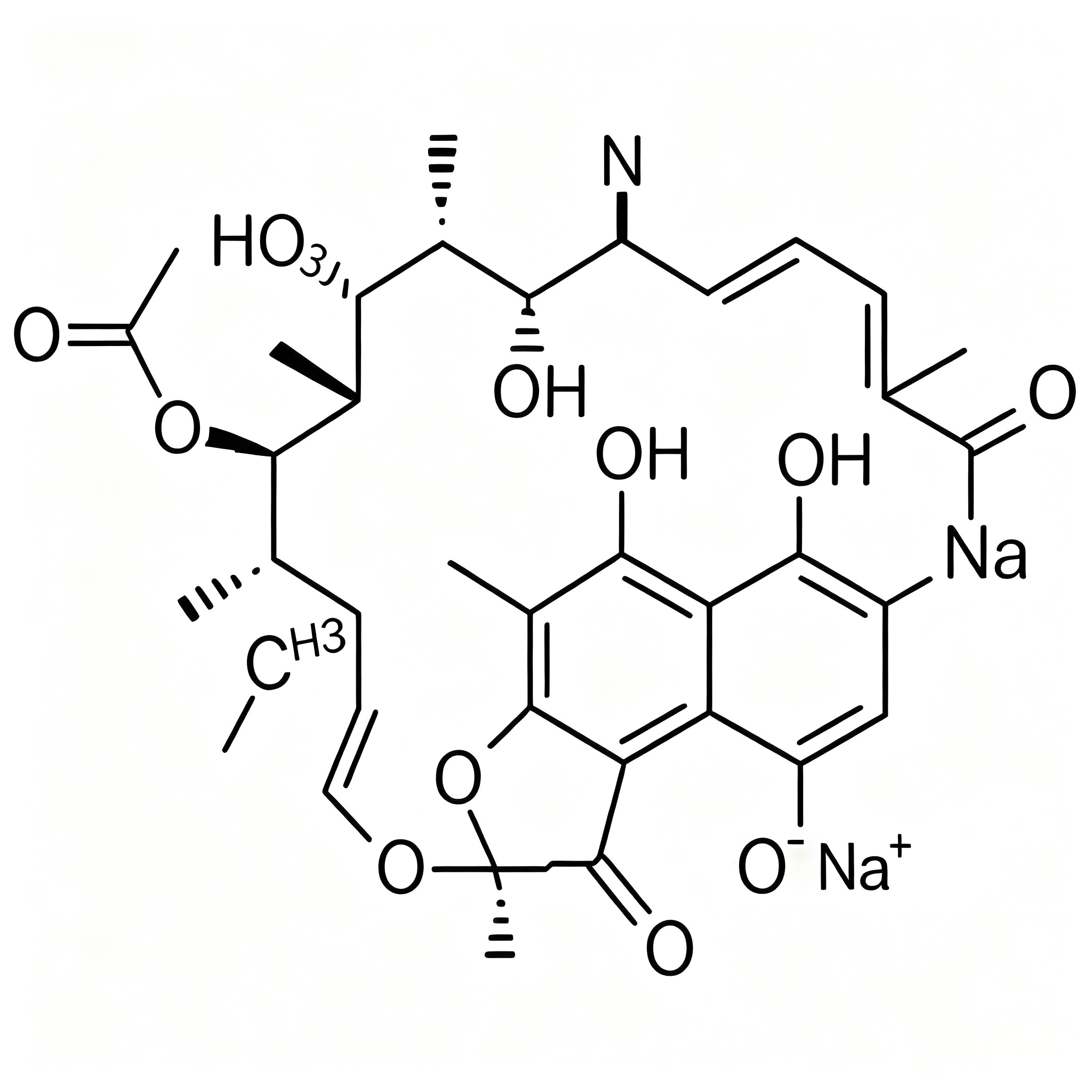

Rifamycin S Sodium

Semisynthetic antibiotic intermediate and core raw material for first-line anti-tuberculosis drugs

Product Overview & Features

Semisynthetic antibiotic intermediate and core raw material for first-line anti-tuberculosis drugs

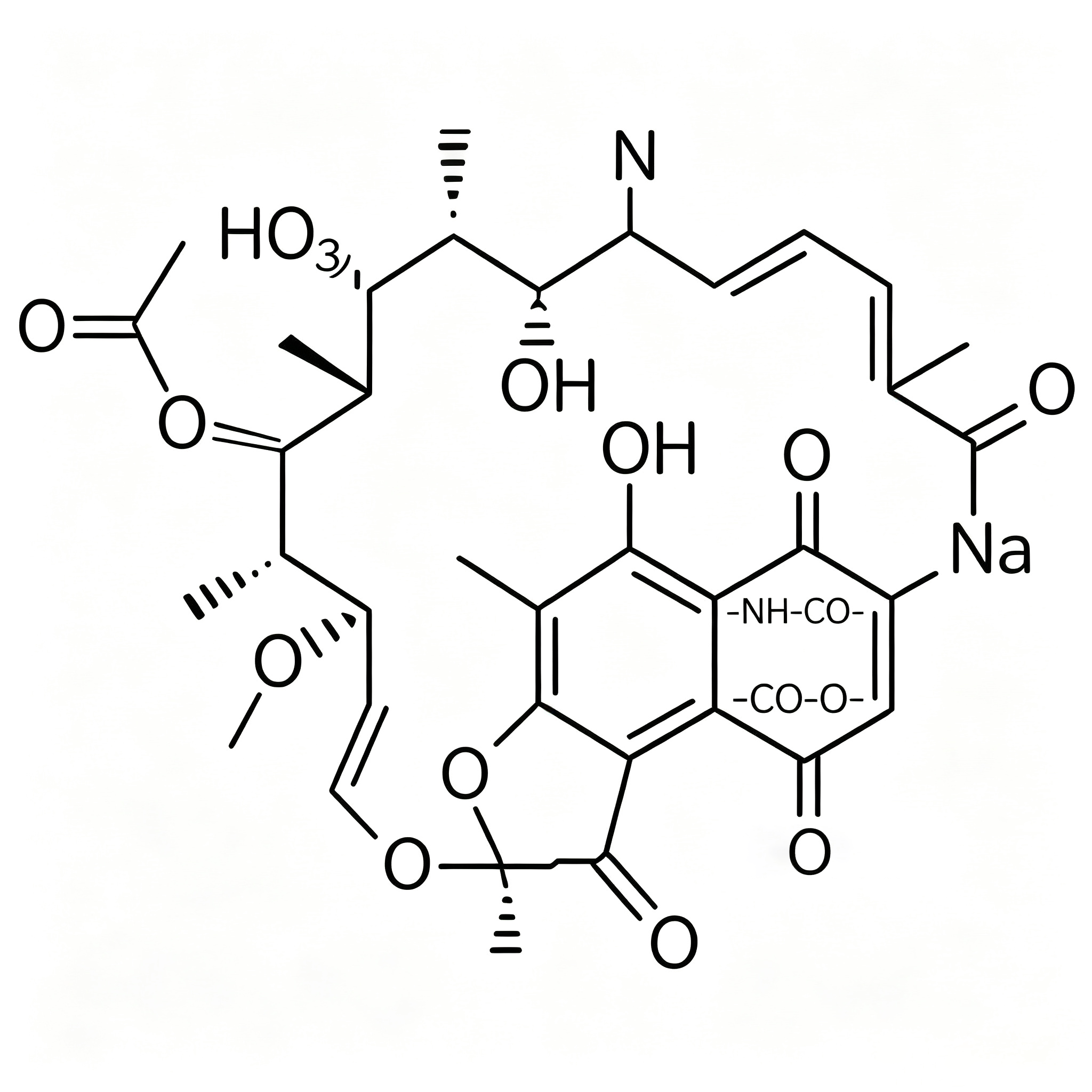
Rifamycin S sodium is a key starting material for semisynthetic rifamycin antibiotics, including rifampicin, rifamycin, and rifapentine. It has activity against Gram-positive bacteria and Mycobacterium tuberculosis through inhibition of DNA-dependent RNA polymerase and is also used in microbiology research.

Contact Us Now
Chemical Formula
C₃₇H₄₅NO₁₂
Applicable Standard
Q/XJYLH 15-2025
CAS No.
14897-39-3
Product Characteristics
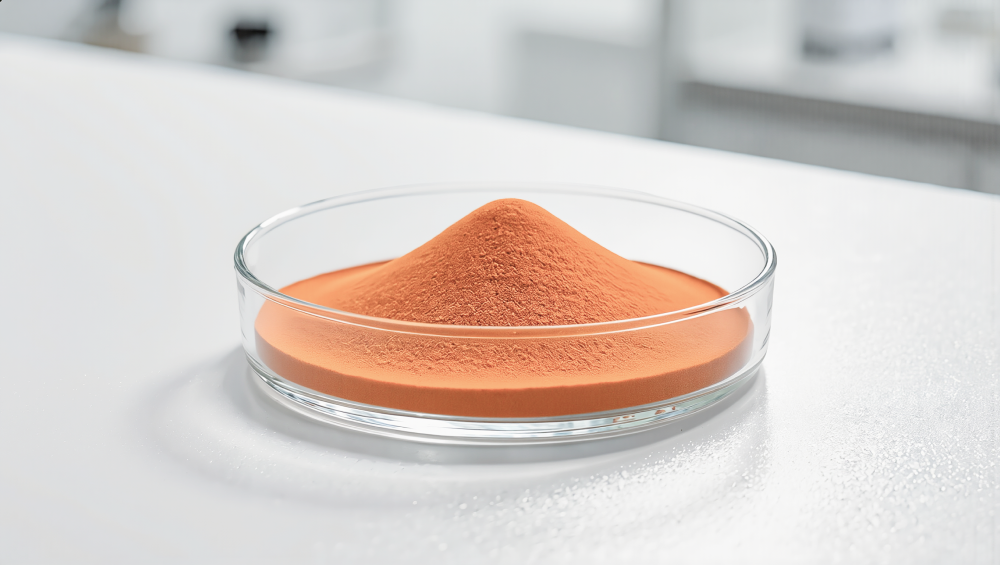
Yellow to orange crystalline powder
Packaging
25kg/barrel
Rifamycin S Sodium — Orange powder

Product Applications

Antibacterial and Antituberculosis Effects

It has antibacterial activity against Gram-positive bacteria (including methicillin-resistant Staphylococcus aureus MRSA) and Mycobacterium tuberculosis. It works by inhibiting bacterial DNA-dependent RNA polymerase and can be used for the study of Mycobacterium tuberculosis infection and Bacteroides fragilis infection.
Drug Synthesis Intermediates

It is a key starting material for semi-synthetic rifamycin antibiotics and is used to synthesize first-line anti-tuberculosis drugs such as rifampicin, rifadine, and rifapentine. It can also be used to study related genes that may be involved in the conversion of rifamycin SV into rifamycin B.

Clinical Therapeutic Applications

Rifamycin sodium for injection can be used for the combined treatment of Mycobacterium tuberculosis infections and severe methicillin-resistant Staphylococcus aureus, Staphylococcus epidermidis and refractory Legionella infections. Its sodium salt form can also be used to treat traveler's diarrhea.

Scientific Research Tools

It is used to study the transcription mechanism, RNA polymerase function and gene expression of prokaryotes, as well as to explore the survival strategies and development of drug resistance mechanisms of bacteria under stress conditions. It can also be used as a reference standard for the detection and quantification of rifamycin compounds.

Pharmaceuticals
Pharmaceuticals