

Feed Mildew Proof
It has a good inhibitory effect on mold and aerobic bacteria, prevents feed heating, caking and nutrient loss, protects the original nutritional value of feed and avoids mycotoxin contamination.
Bifunctional short-chain fatty acids synthesized for feed antifungal and pharmaceutical purposes
Bifunctional short-chain fatty acids synthesized for feed antifungal and pharmaceutical purposes
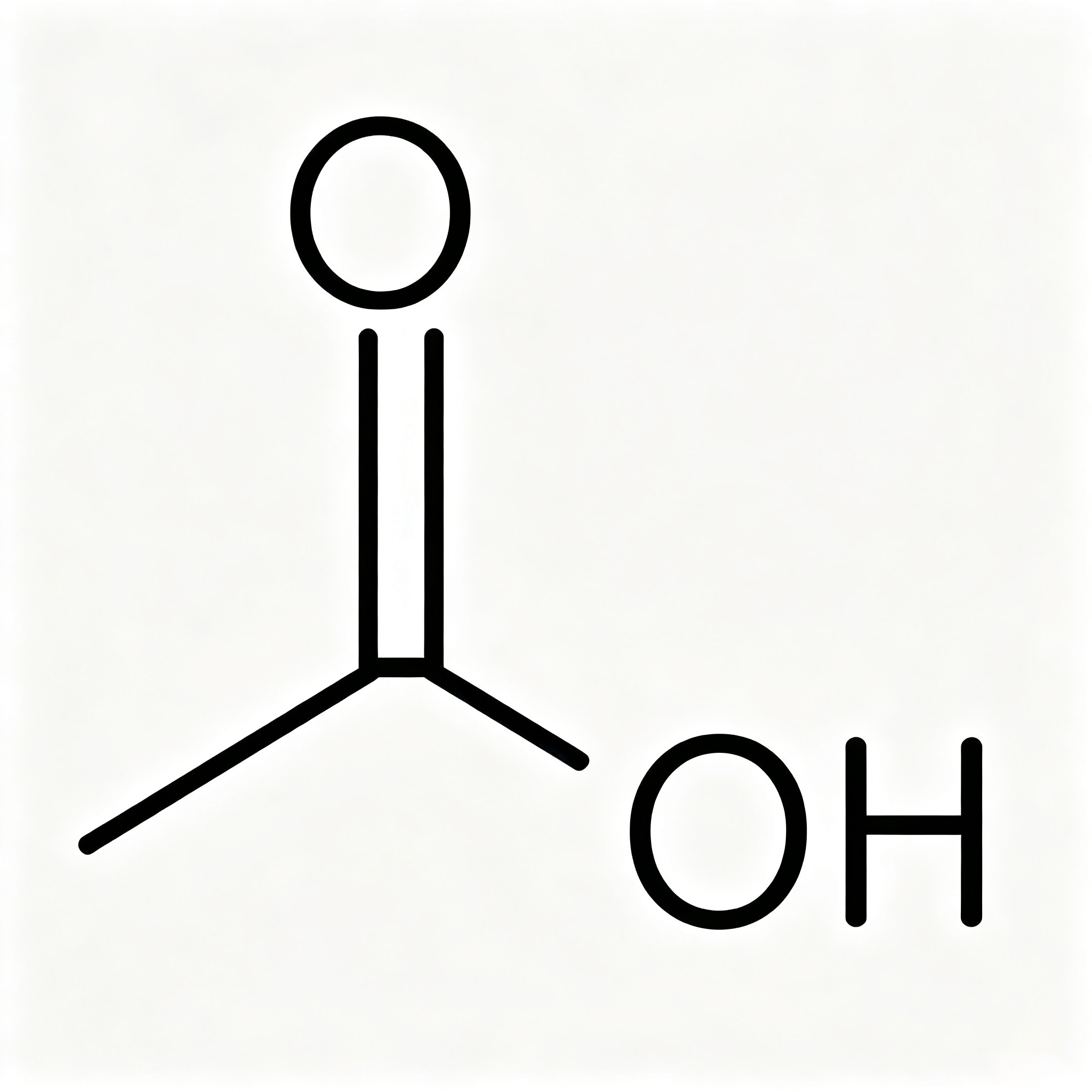
Propionic acid (propanoic acid), is miscible with solvents such as water and ethanol. Propionic acid has dual application value in both feed and medicine. In the field of feed, propionic acid and its salts are important feed anti-mold preservatives. They have a good inhibitory effect on mold and aerobic bacteria. They can effectively prevent feed heating, caking, nutrient loss and mycotoxin production, and significantly extend the shelf life of feed. In the field of medicine, propionic acid is an important pharmaceutical intermediate, and its derivatives can be used to produce vitamin B6, naproxen, naomaining and other drugs. Propionic acid itself has a weak inhibitory effect on fungal growth both in vivo and in vitro, and can be used for the treatment of dermatophytes.
Contact Us Now
It has a good inhibitory effect on mold and aerobic bacteria, prevents feed heating, caking and nutrient loss, protects the original nutritional value of feed and avoids mycotoxin contamination.
As a silage additive, it inhibits the growth of yeast and mold, prevents aerobic spoilage of silage and secondary fermentation after pit opening, and reduces nutrient loss.
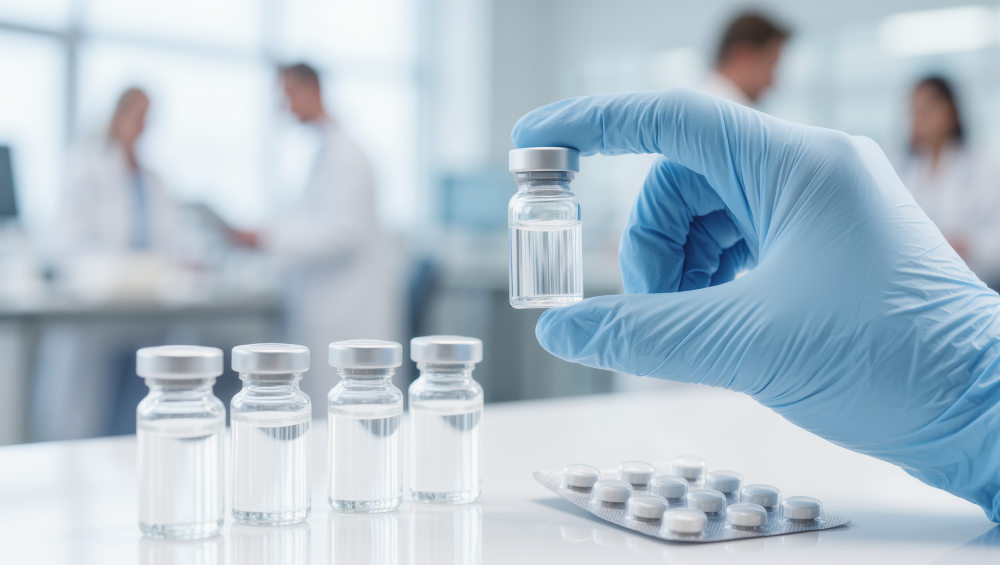
It is an important pharmaceutical intermediate, and its derivatives can be used to produce vitamin B6, naproxen, naomaining and other drugs, and have wide application value in the pharmaceutical industry.
It has a weak inhibitory effect on fungal growth both in vivo and in vitro, and can be used for the treatment of dermatophytes. It is often formulated with zinc undecylenate and other compound preparations for external use.