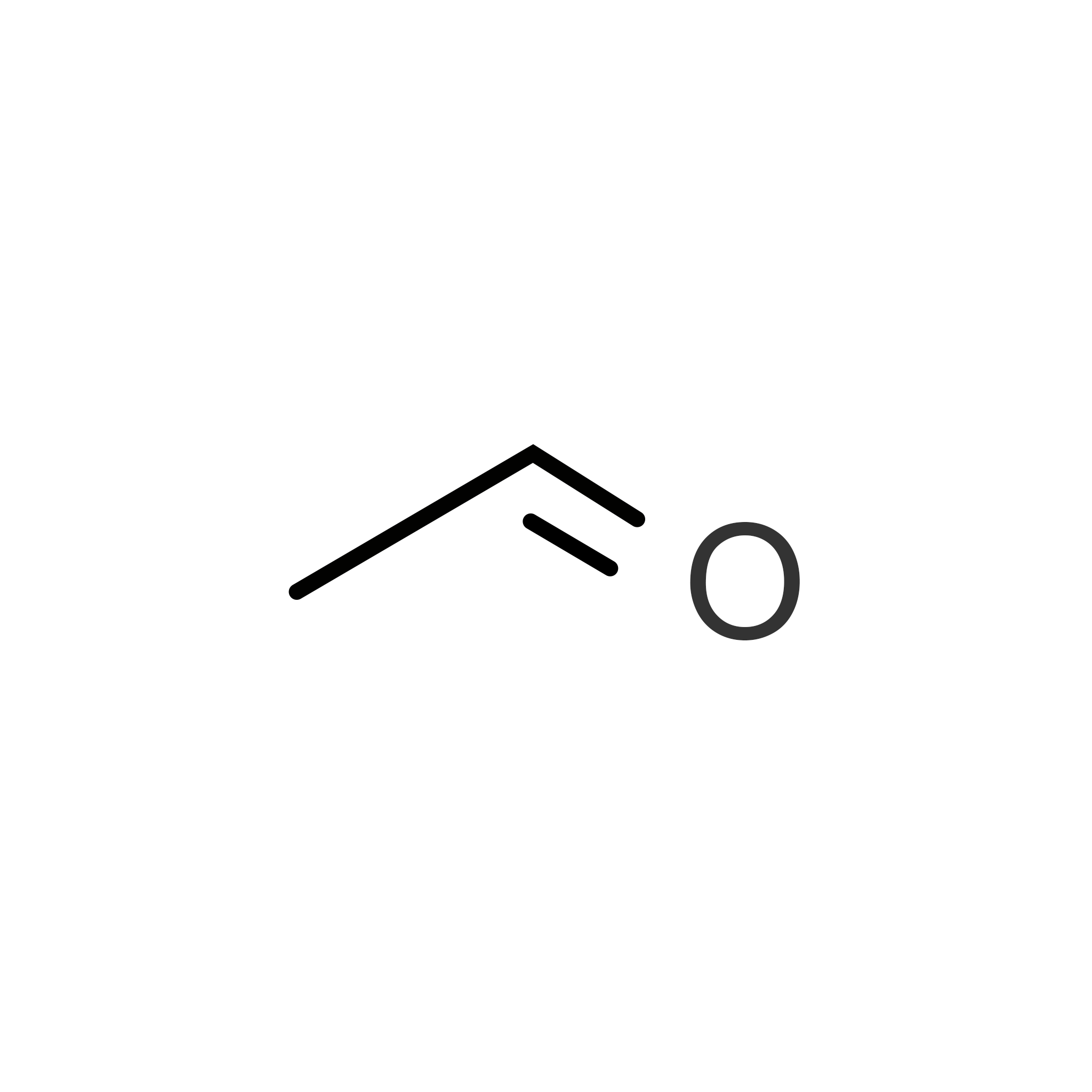
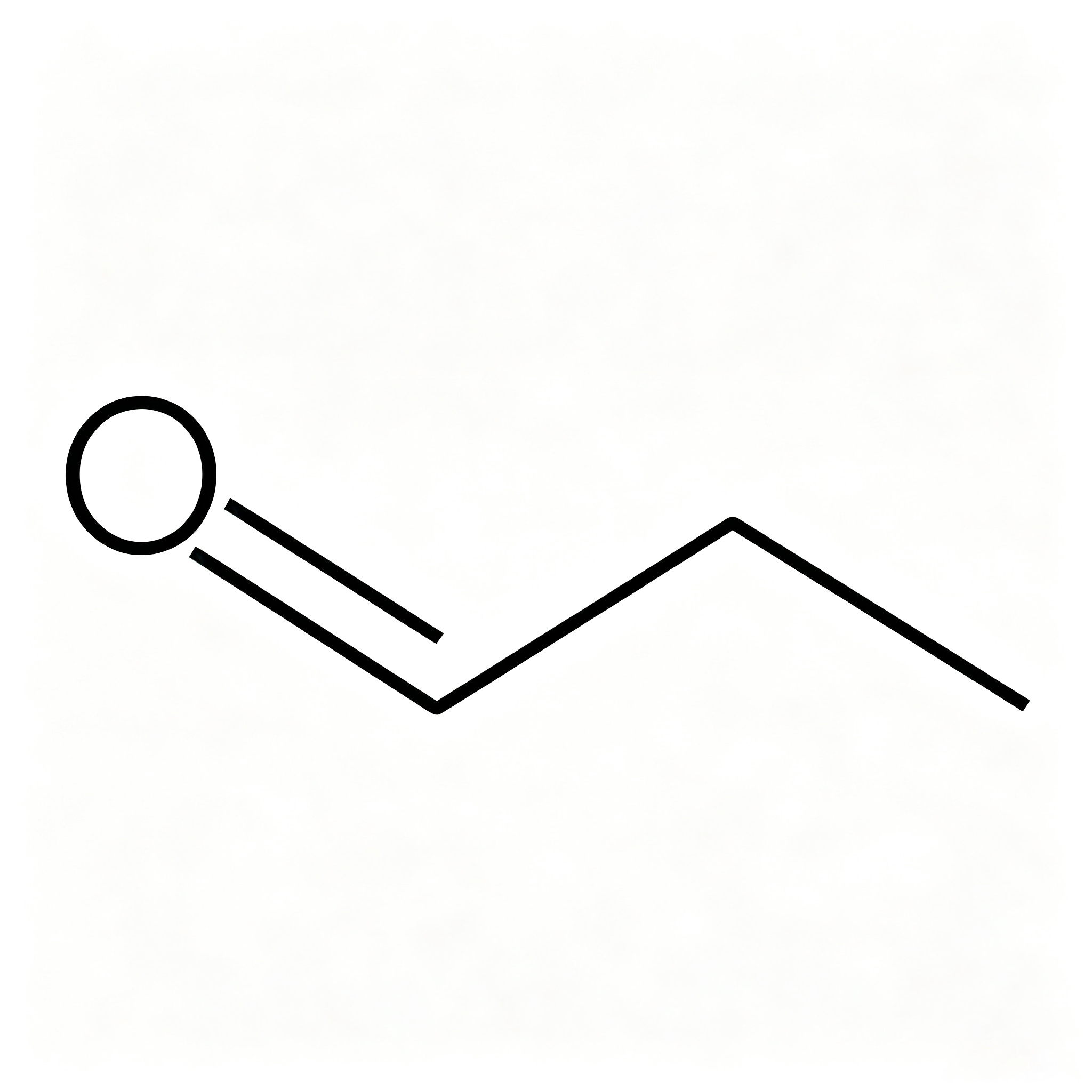
Crotonaldehyde

Crotonaldehyde intermediate and key raw material in the sorbic-acid value chain

Product Overview & Features

Crotonaldehyde intermediate and key raw material in the sorbic-acid value chain

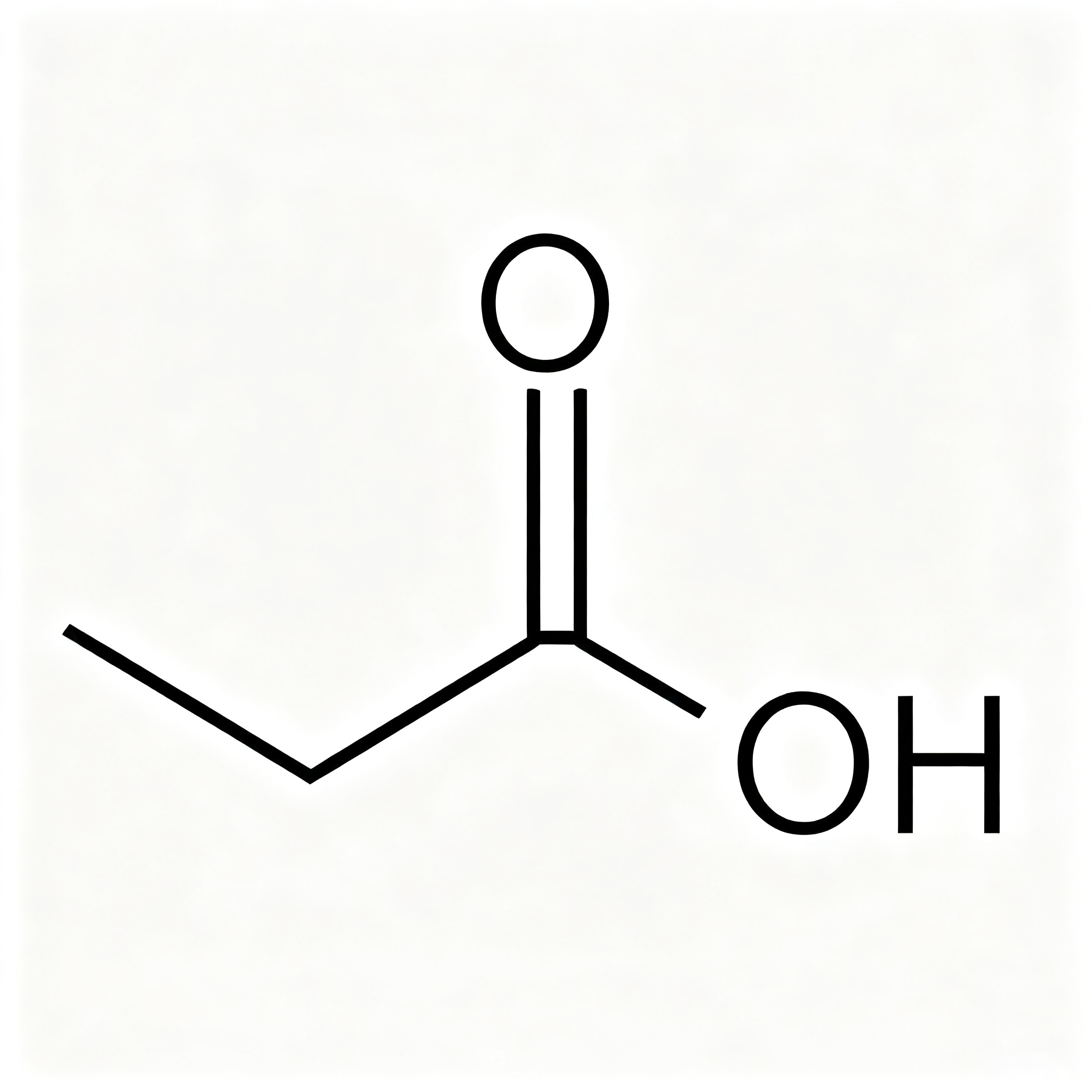
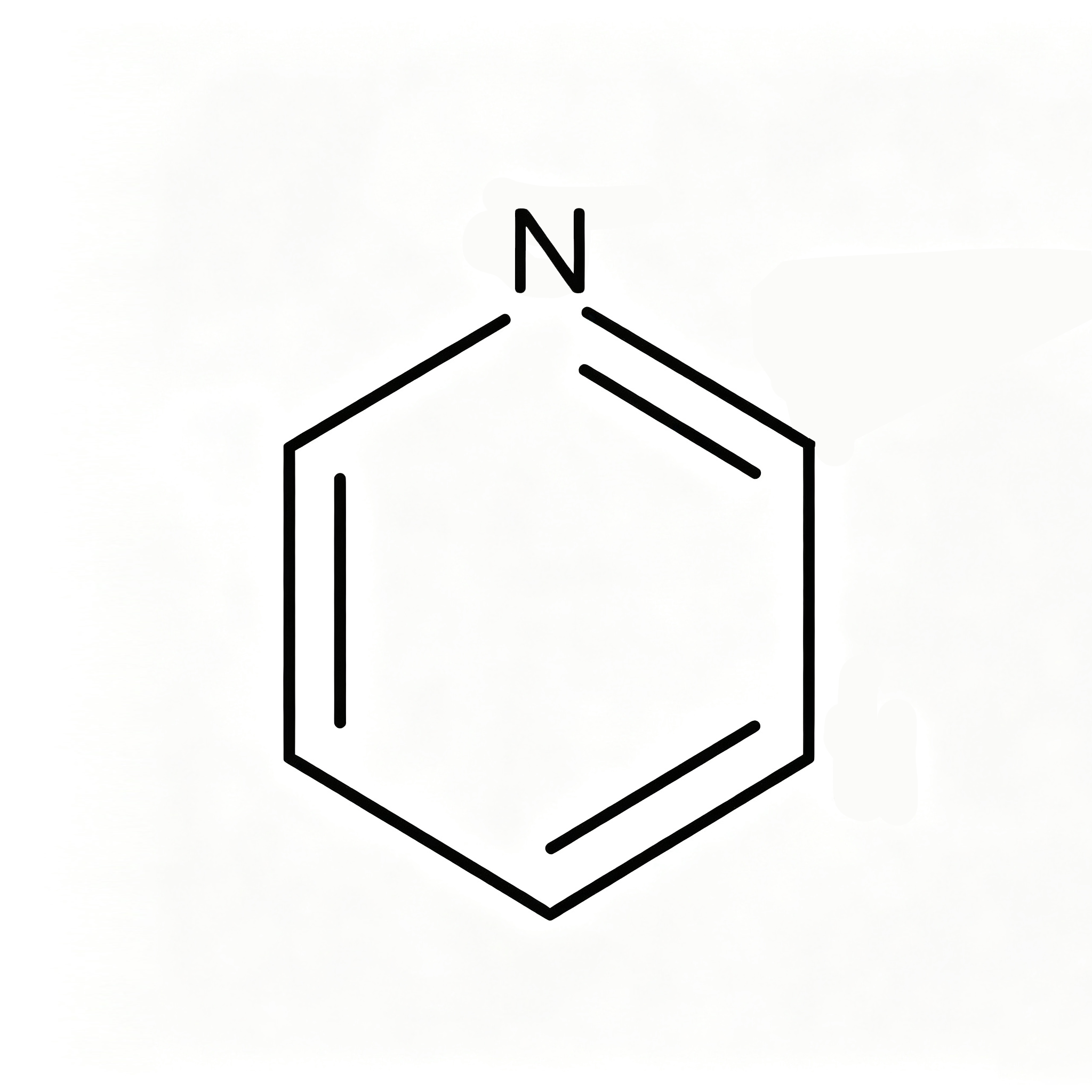
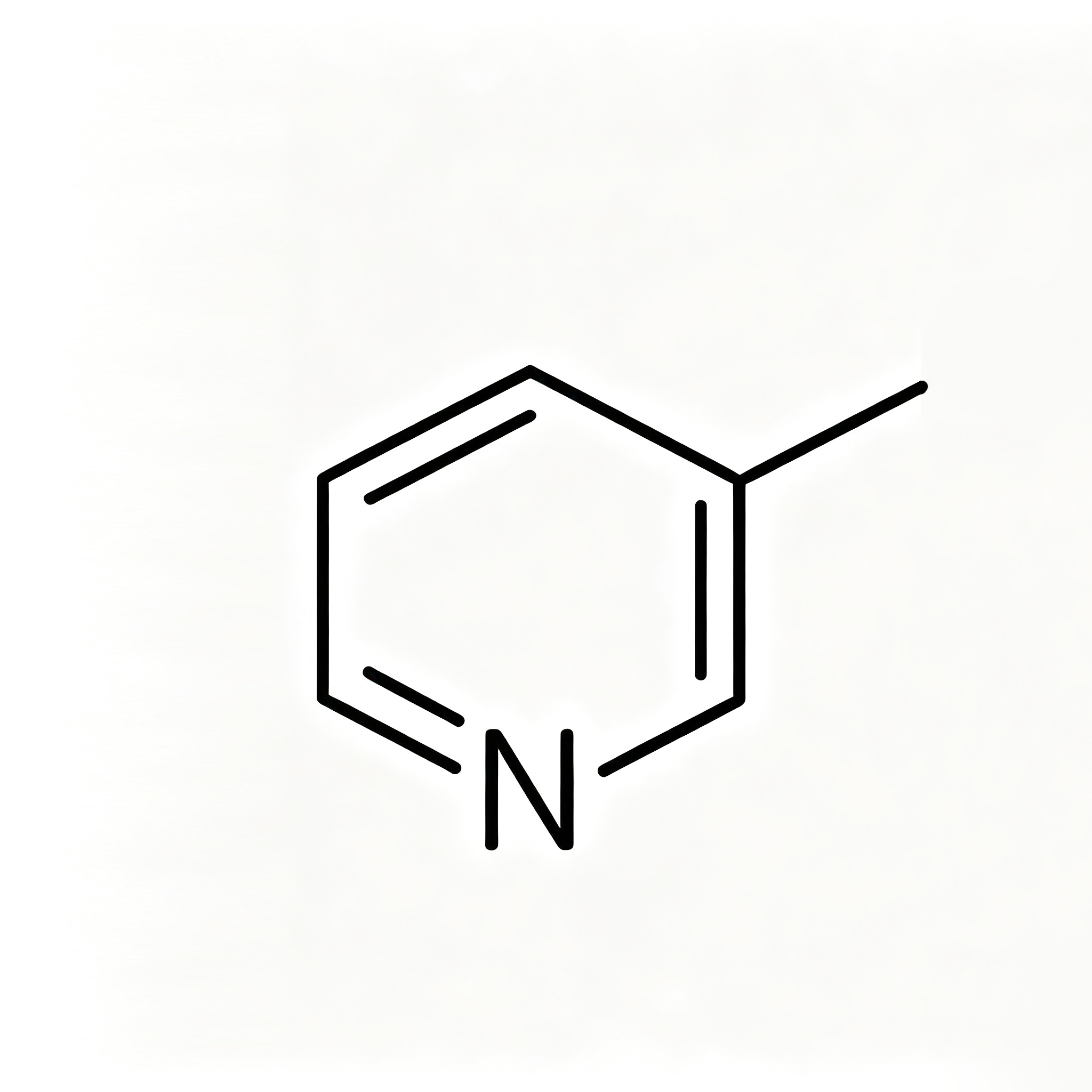
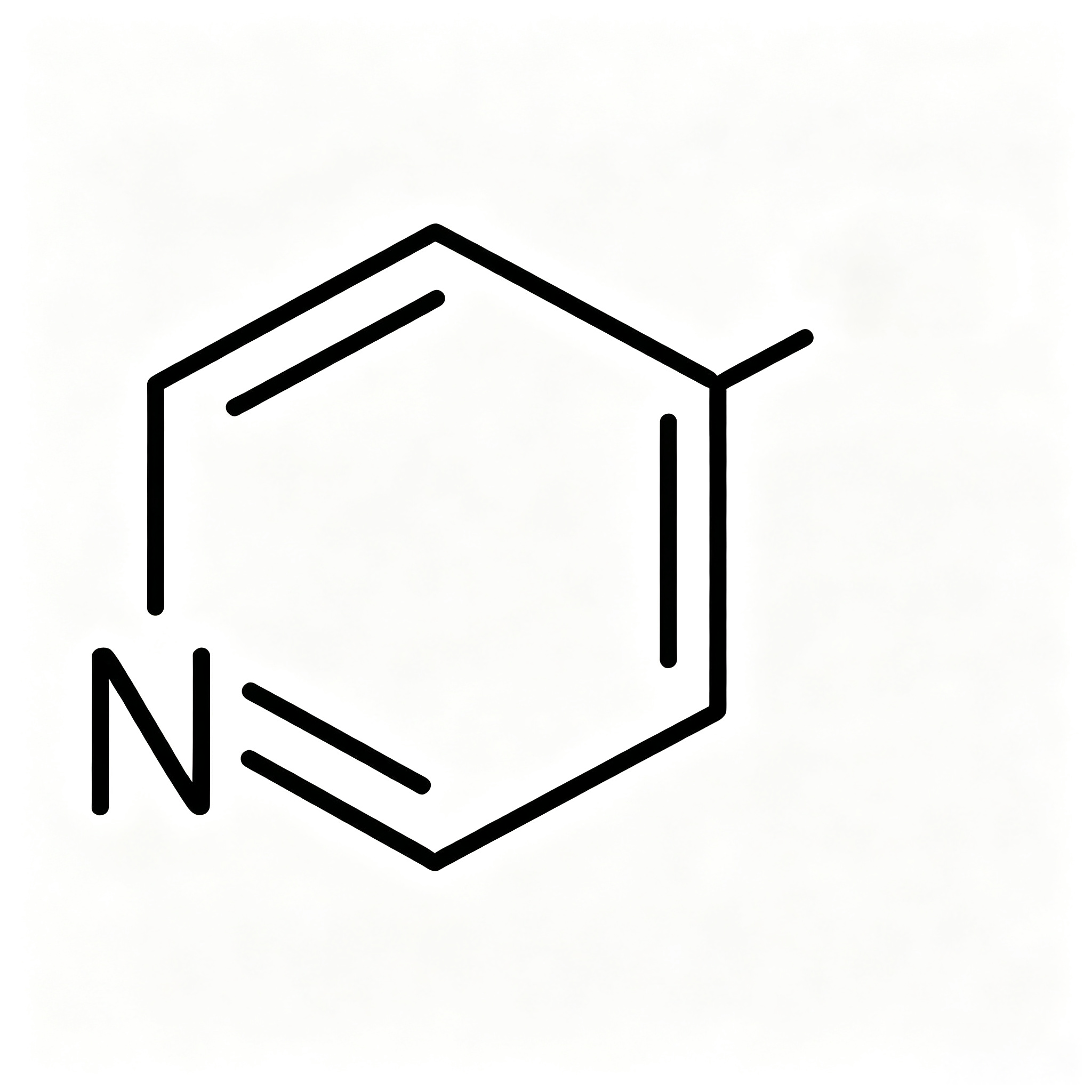
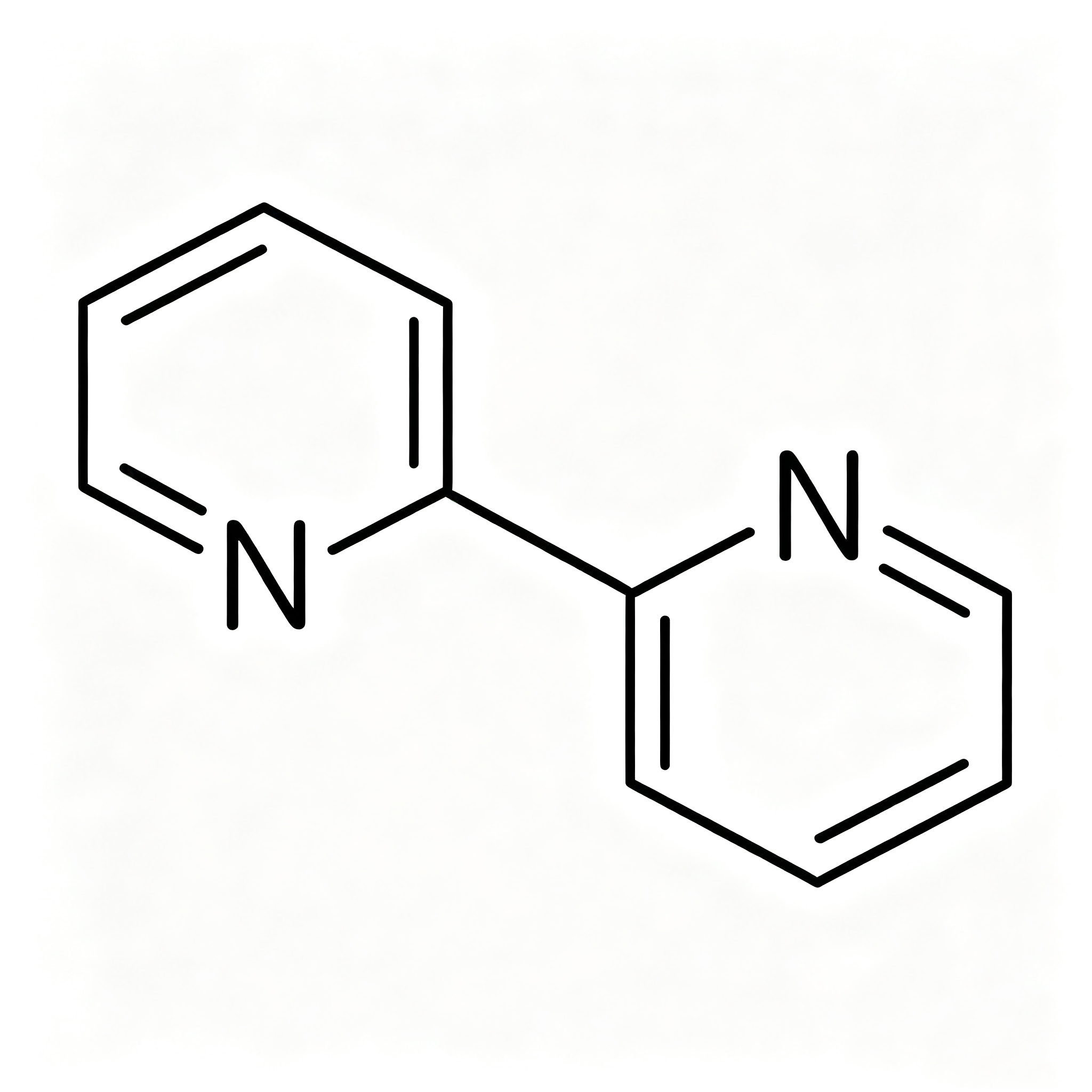
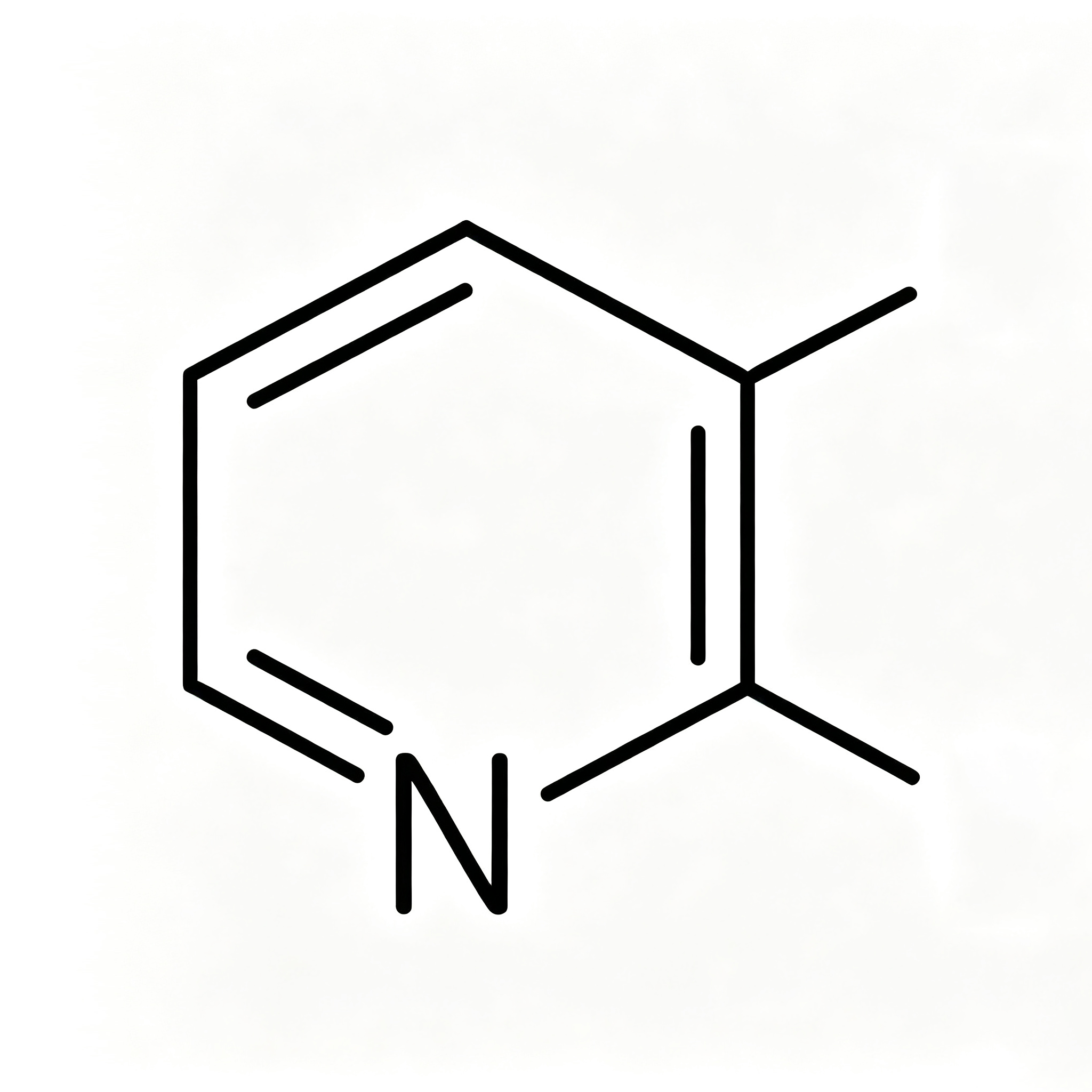
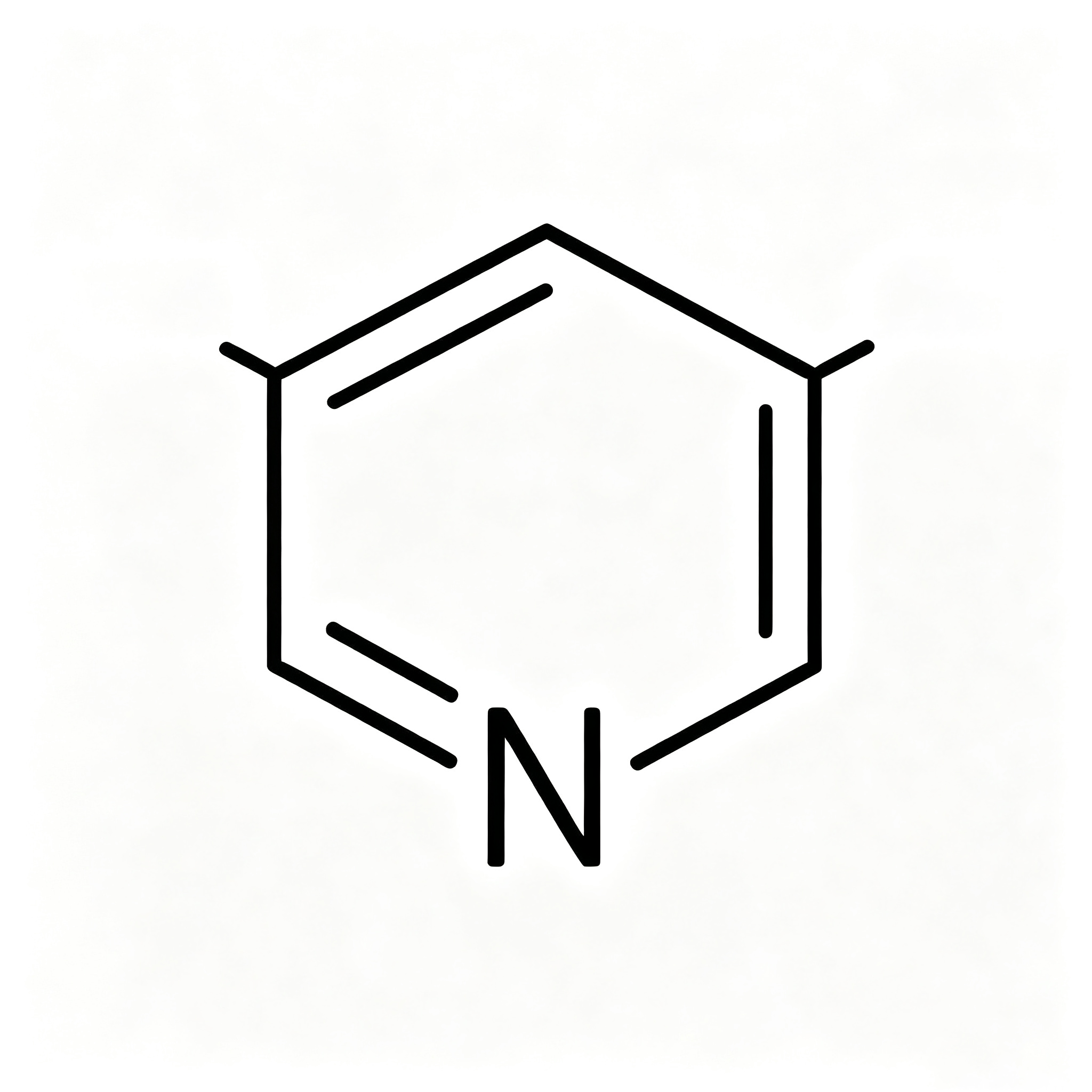
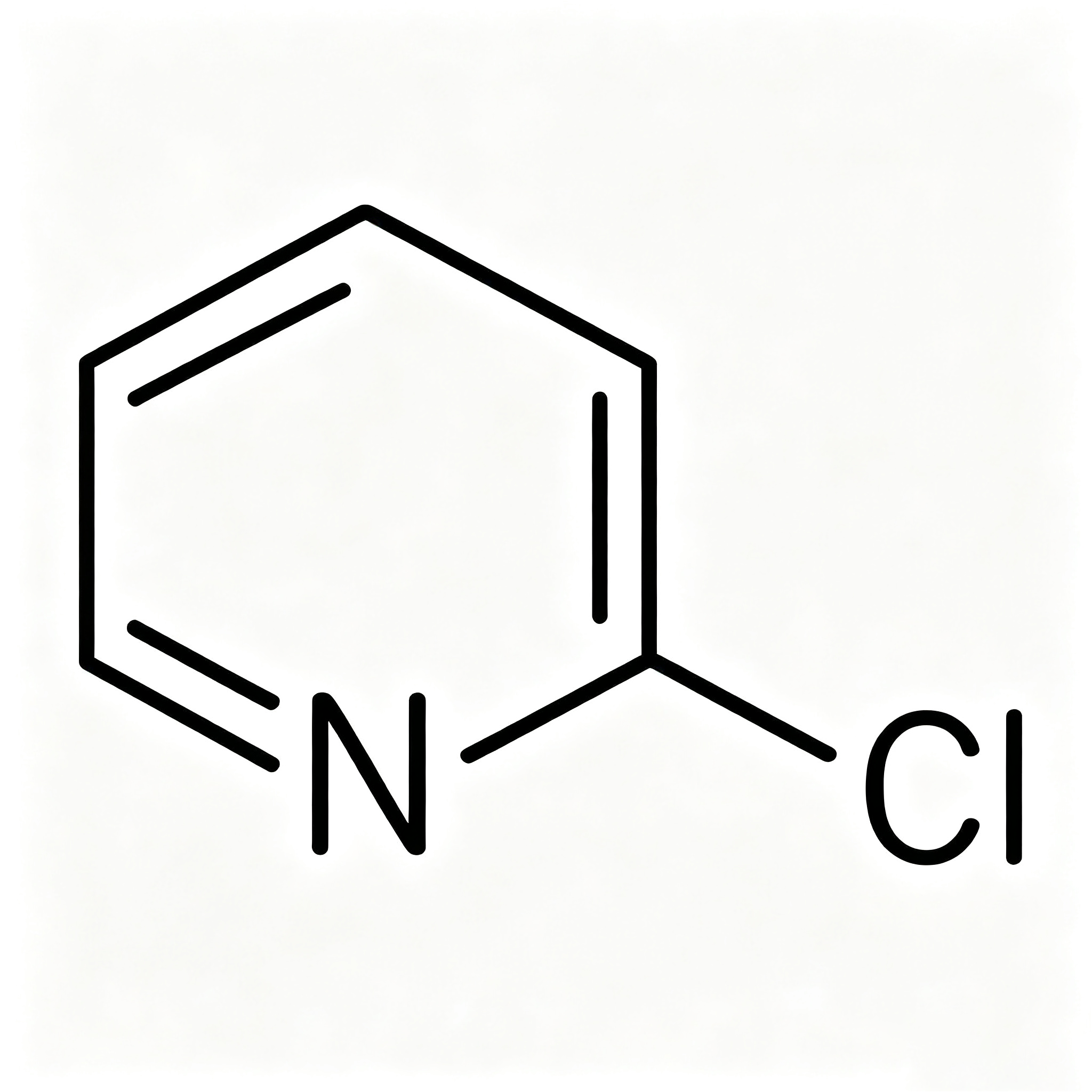
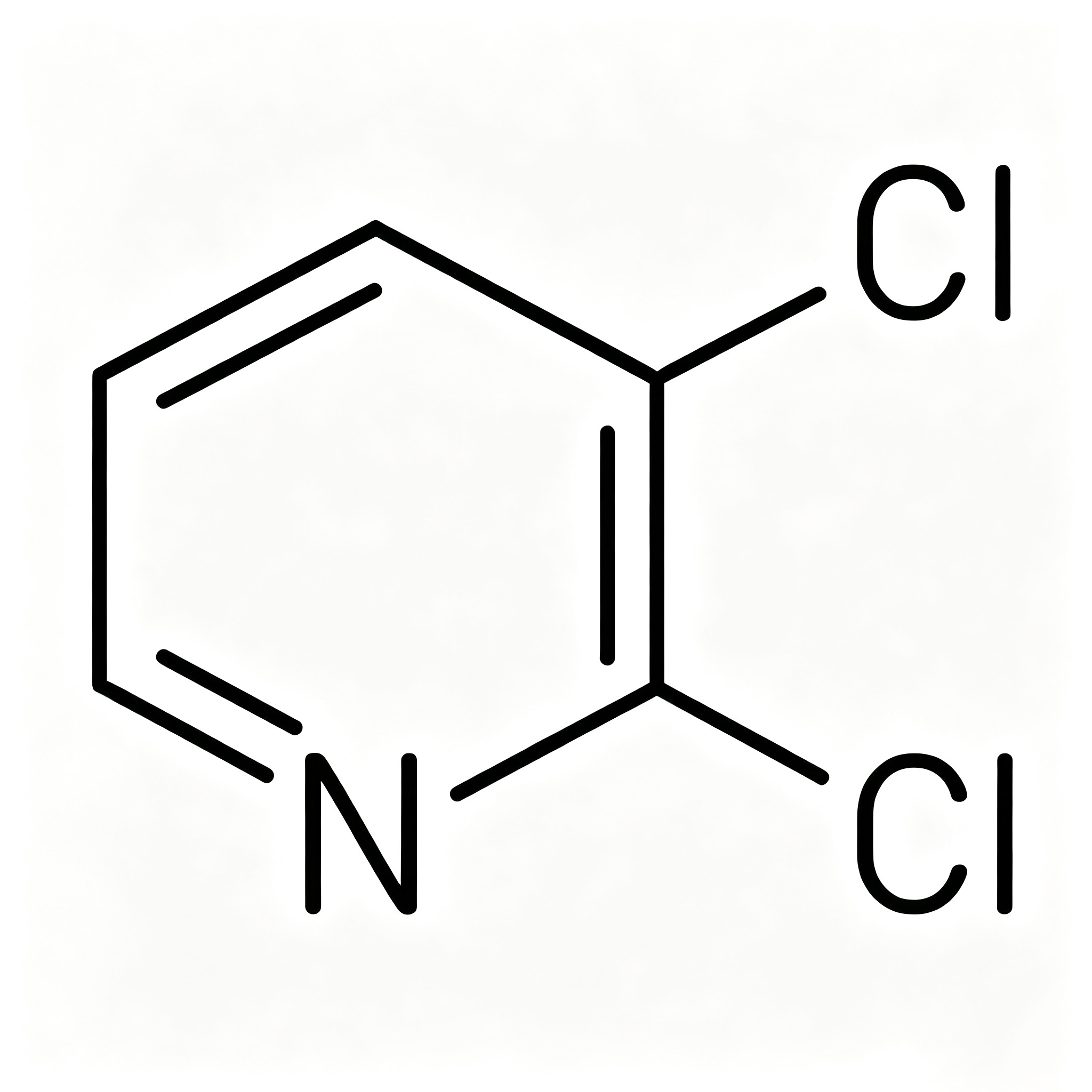
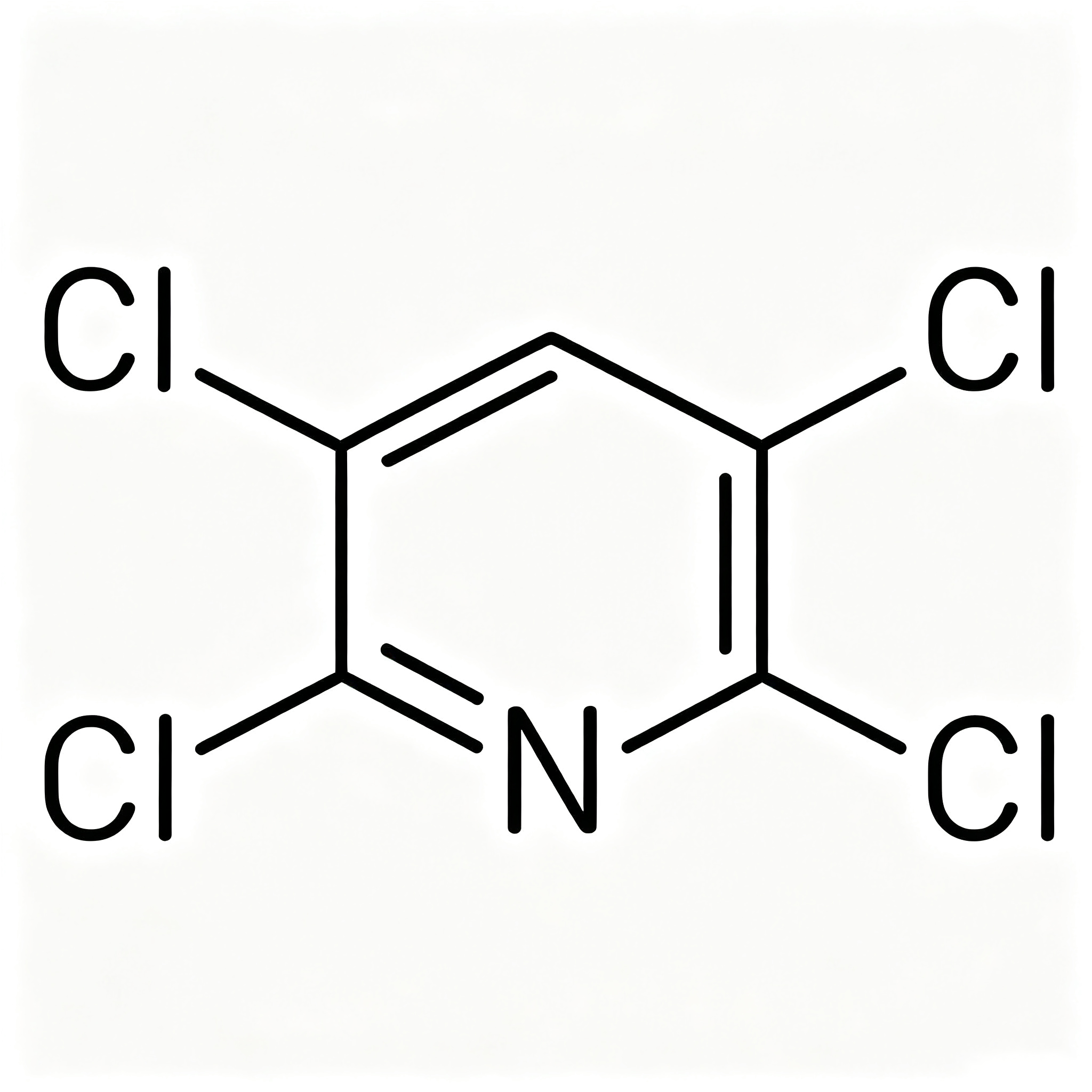
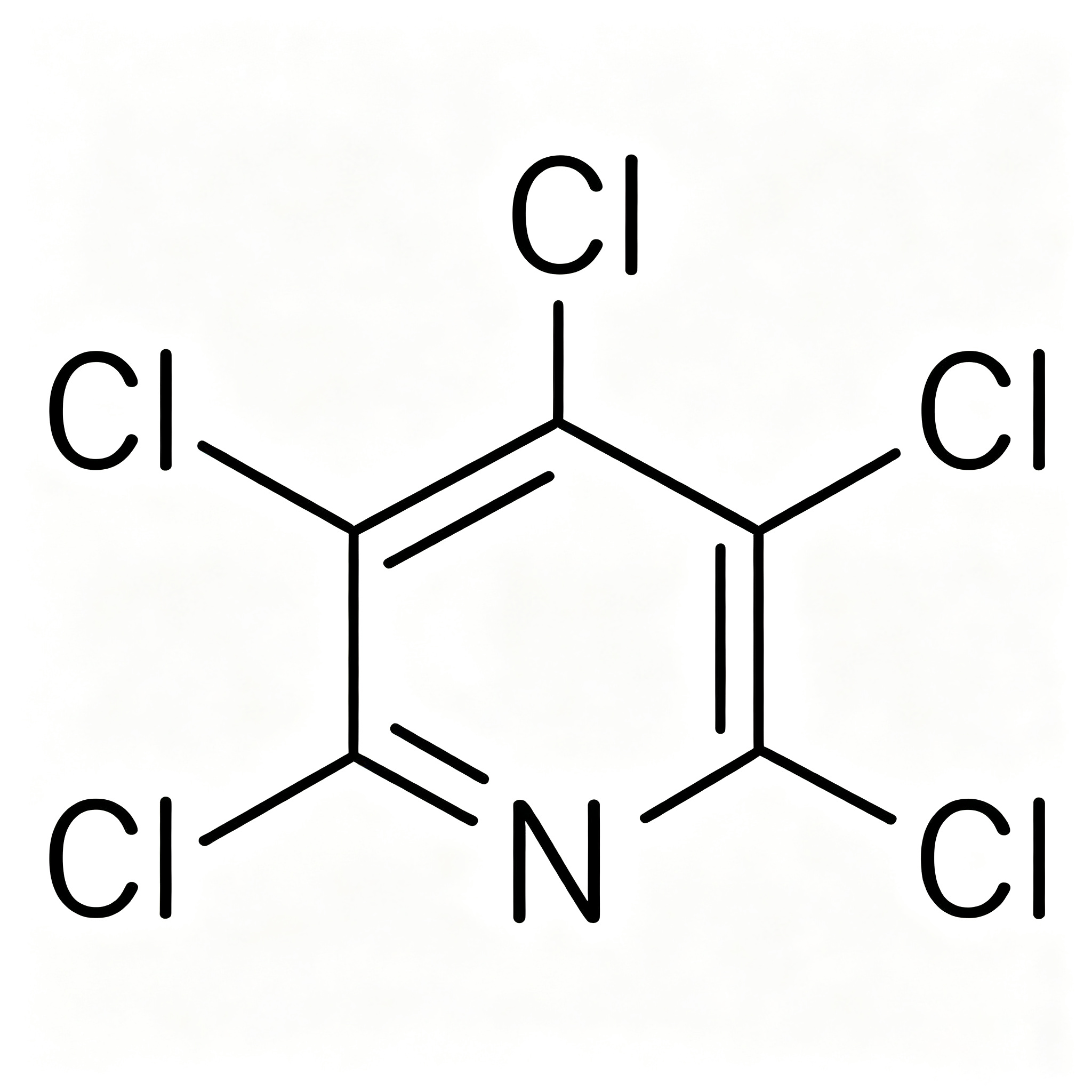
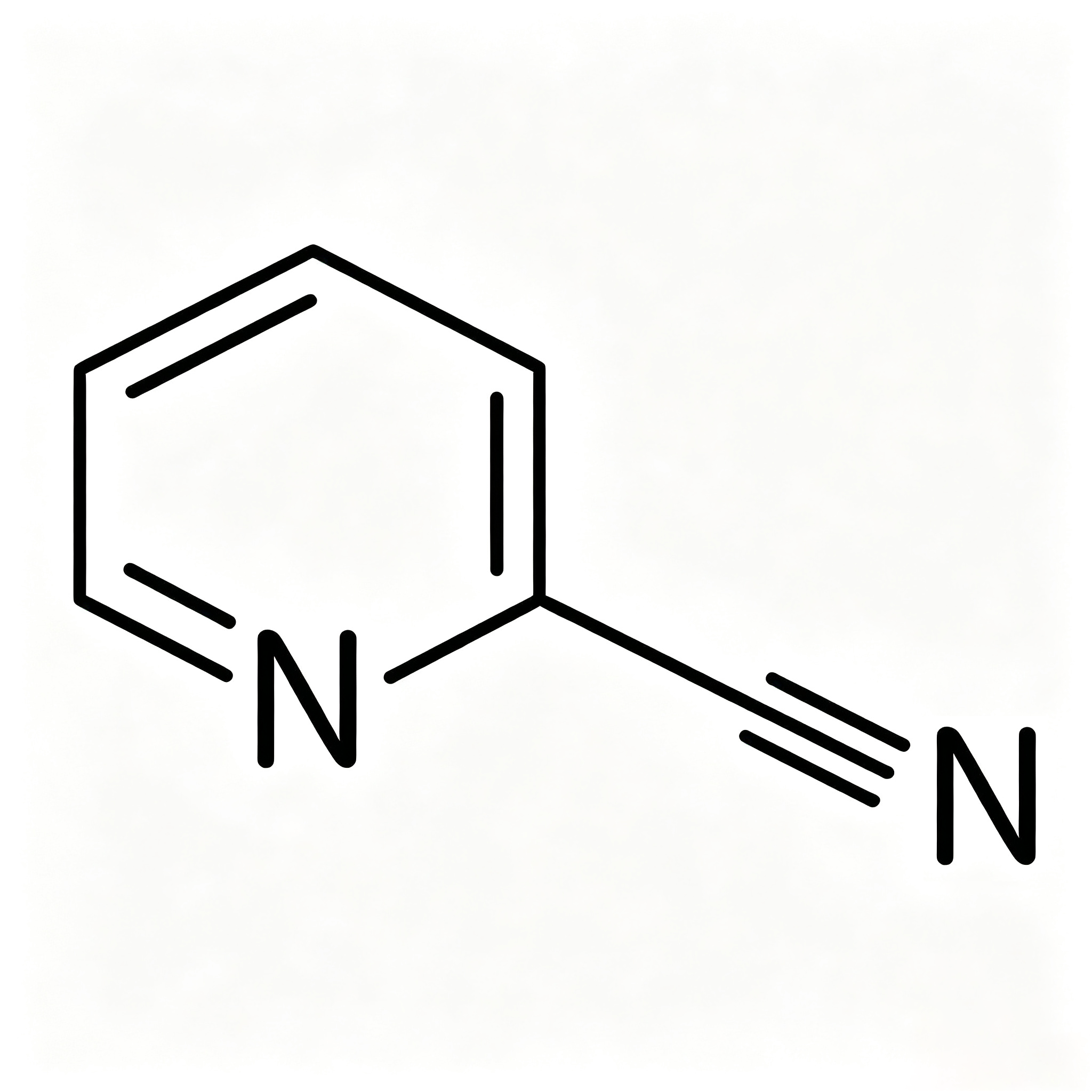
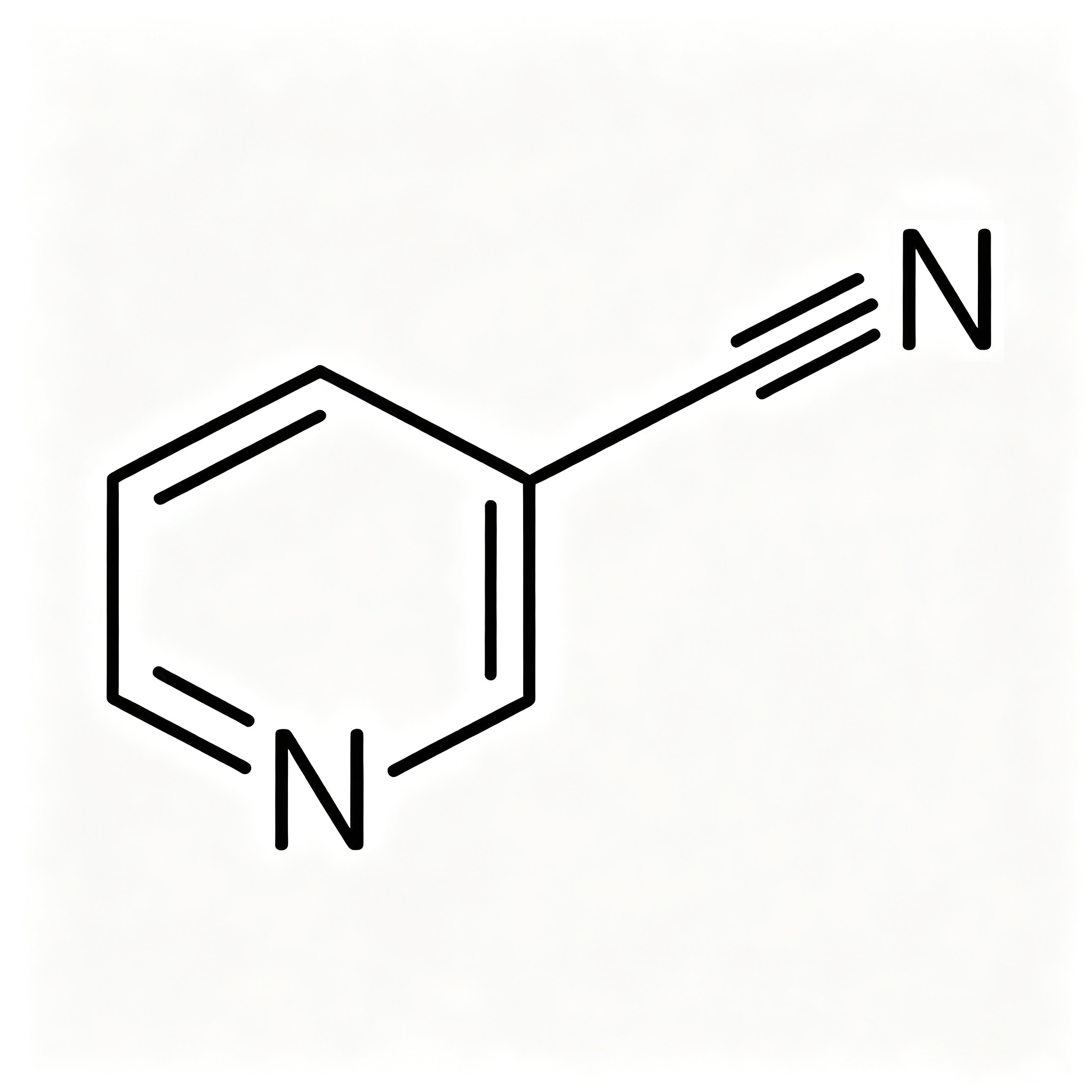
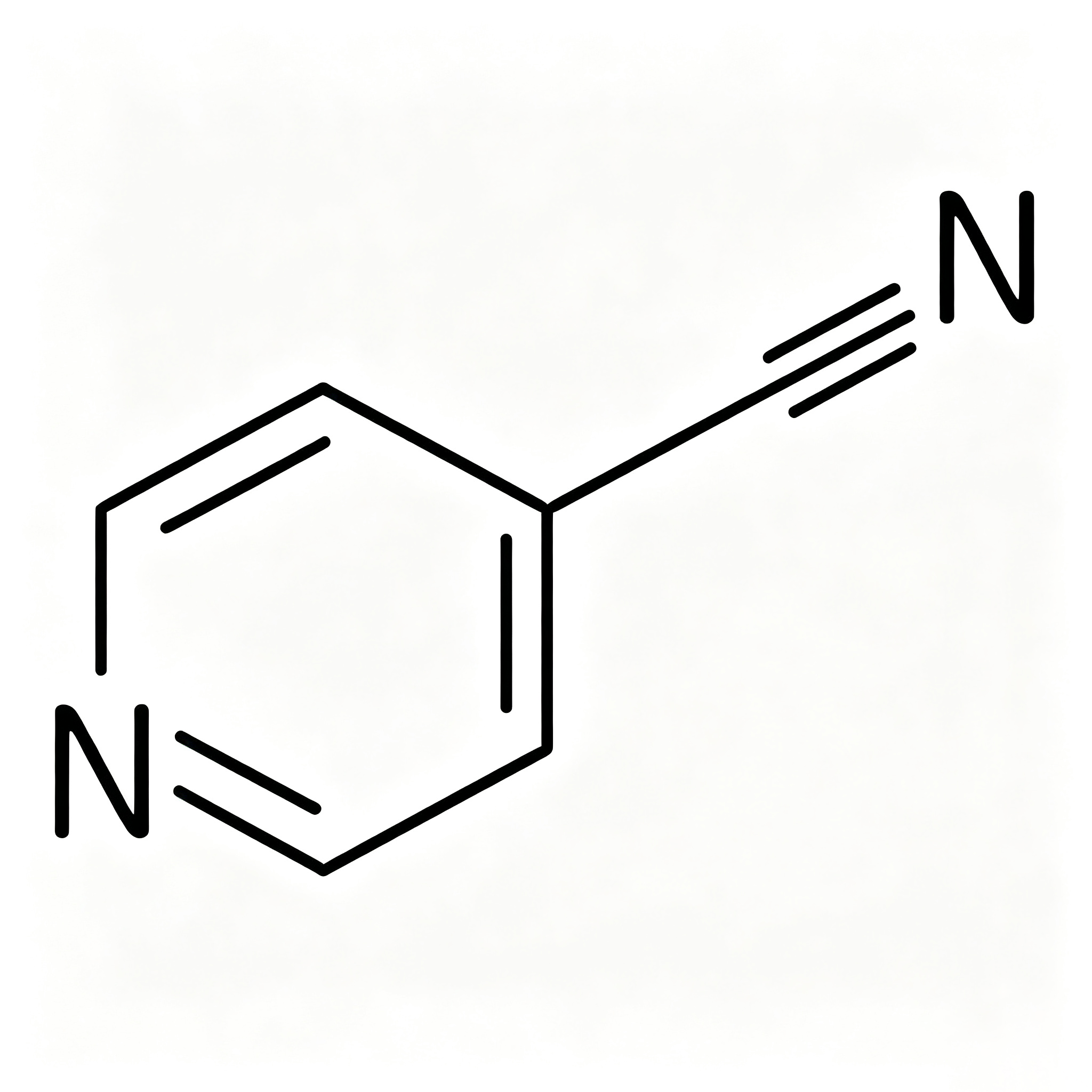
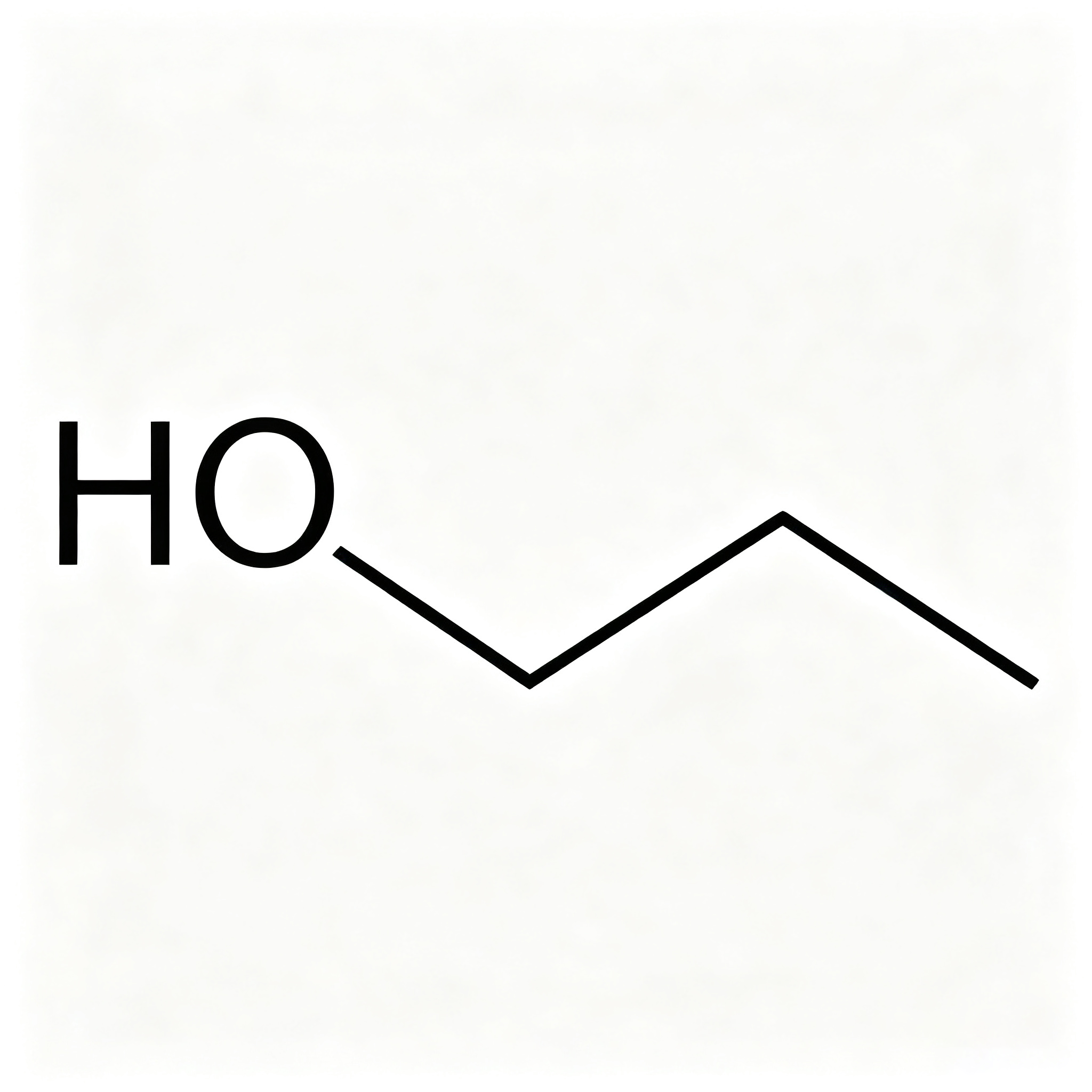
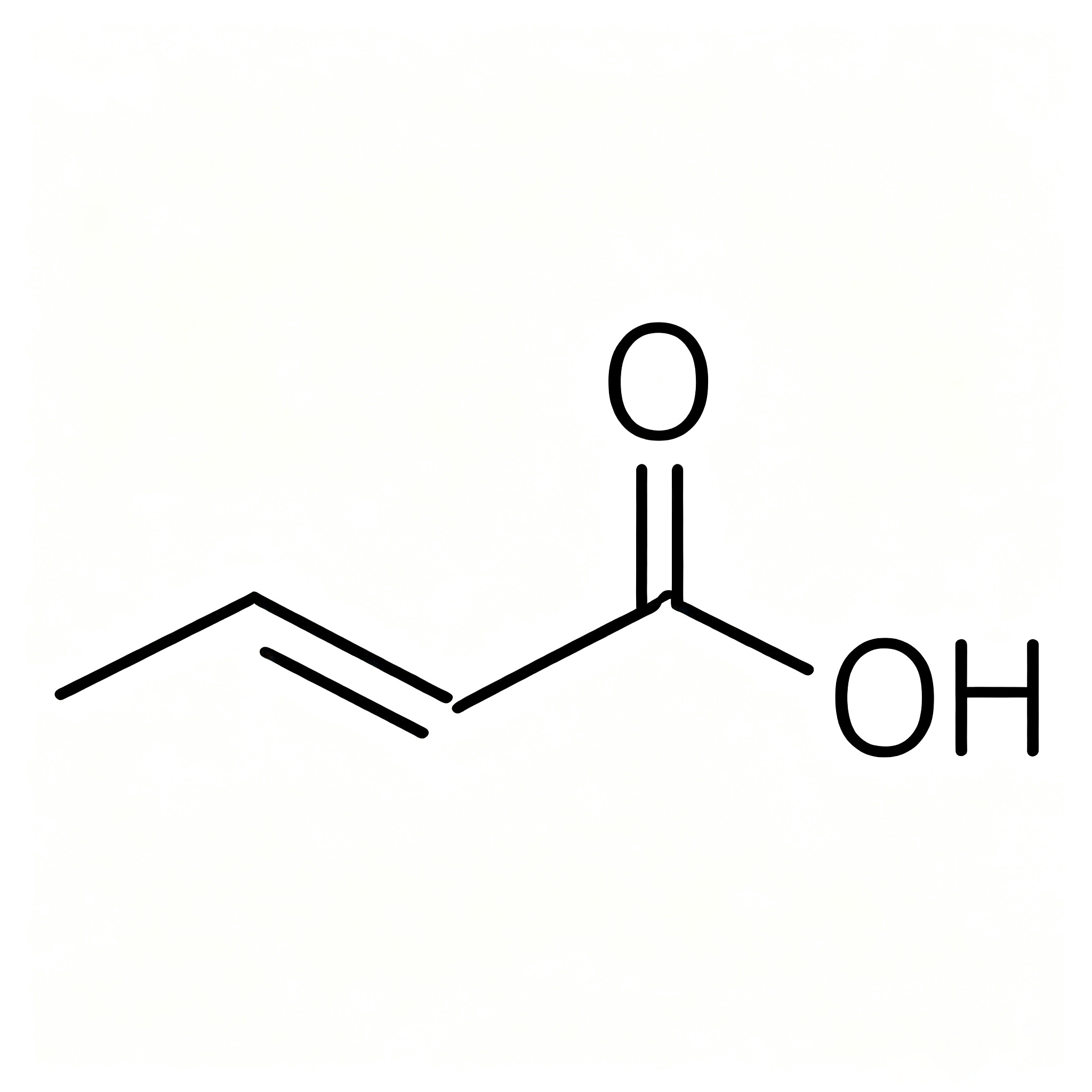
Crotonaldehyde is an organic-synthesis intermediate for sorbic acid, butanol, butyraldehyde, 2-ethylhexanol, crotonic acid, and pyridine products. It is also used in rubber chemicals, antioxidants, dyes, insecticides, flotation foams, and denatured alcohol.

Contact Us Now
Chemical Formula
C₄H₆O
Applicable Standard
HG/T 5792-2021
CAS No.
123-73-9
Product Characteristics
Colorless or light yellow transparent flammable liquid with suffocating pungent odor
Packaging
170kg/barrel
Crotonaldehyde — Pale yellow liquid

Product Applications

Organic Synthetic Raw Materials

It is an important intermediate for the preparation of food preservatives sorbic acid, butanol, butyraldehyde, 2-ethylhexanol, crotonic acid and pyridine series products, and has a core position in the field of fine chemicals.

Rubber Additives

Used to produce rubber vulcanization accelerators and rubber antioxidants to improve the processing performance and aging resistance of rubber products.

Pesticides and Dyes

It is used to produce pesticides, dyes and foaming agents for mineral processing, and is a synthetic raw material for a variety of fine chemicals.

Resins and Plasticizers

It can react with butadiene to produce epoxy resin raw materials and plasticizers, which has application value in the field of polymer materials.

Alcohol Denaturant

It can be used as a denaturant for alcohol to make ethanol unsuitable for drinking and meet the specific needs of industrial alcohol.

Industrial processing