


Pesticide Weeding
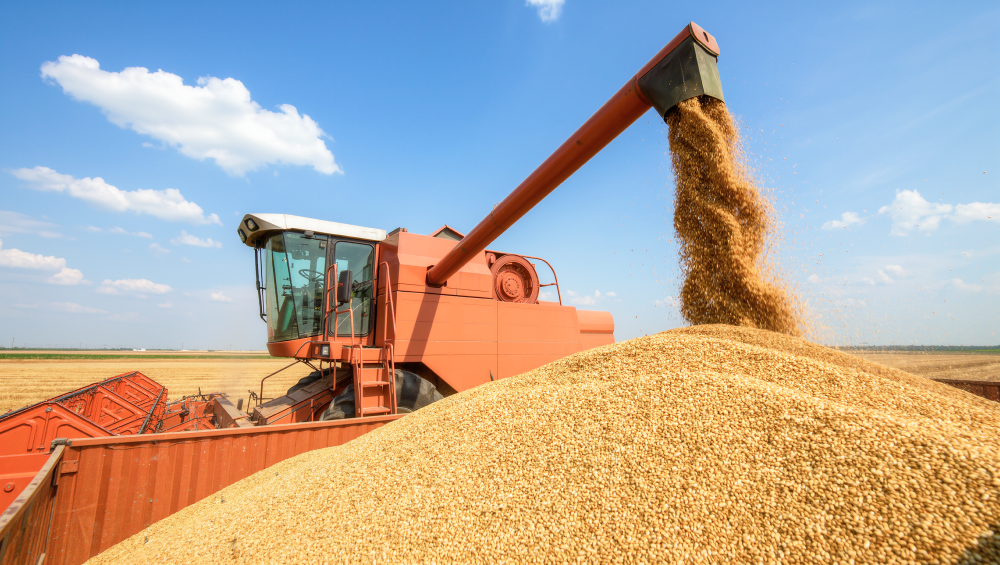
It is a key intermediate for the synthesis of herbicides such as atrazine, simazine, simazine, clofenac, and napropamide, among which atrazine is one of the most produced herbicide varieties in the world.
Key ethylamine intermediates for pesticide, herbicide and pharmaceutical synthesis
Key ethylamine intermediates for pesticide, herbicide and pharmaceutical synthesis
Monoethylamine is also called ethylamine and aminoethane. Monoethylamine has active chemical properties and can react with acids to form salts and react with carboxylic acids, acid anhydrides and acid chlorides to form amides. It is an important organic synthesis intermediate. In the field of pesticides, monoethylamine is the core raw material for the synthesis of triazine herbicides such as atrazine, simazine, and atrazine. In the pharmaceutical field, it is used to synthesize a variety of drug intermediates. In the field of new materials, it can be used as a raw material for the production of dye intermediates, rubber accelerators, surfactants and ion exchange resins.
Contact Us Now
It is a key intermediate for the synthesis of herbicides such as atrazine, simazine, simazine, clofenac, and napropamide, among which atrazine is one of the most produced herbicide varieties in the world.
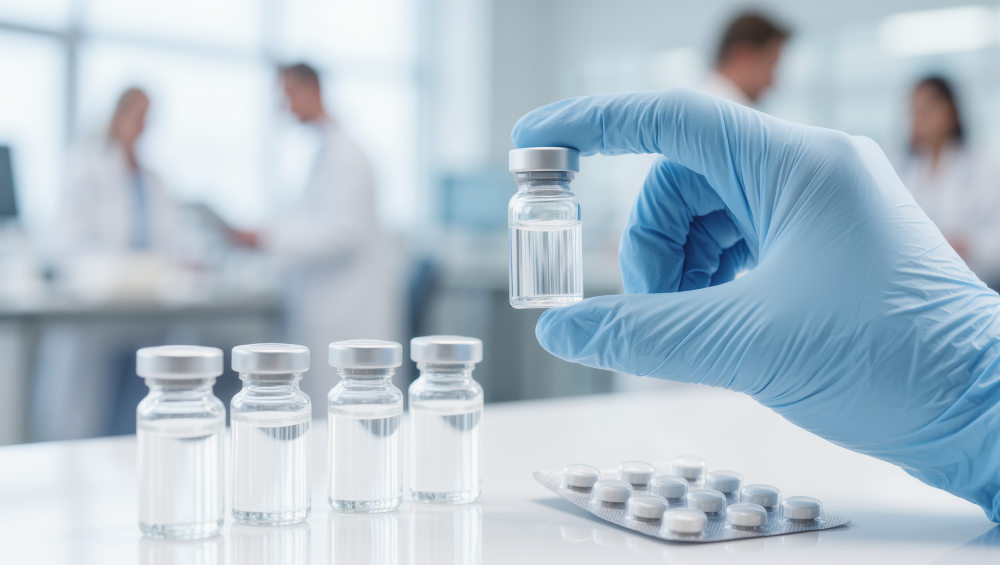
It is used to synthesize a variety of pharmaceutical intermediates and participates in the construction of drug molecules as ethylamine structural units. It has wide reaction applicability in organic synthesis.
It is used to produce dye intermediates, rubber accelerators, surfactants, ion exchange resins and metallurgical mineral processing agents. It is a basic amine raw material in the field of fine chemicals.
Ethylamine is a low-grade aliphatic amine with active chemical properties. It can react with a variety of compounds such as acylation and alkylation. It is a universal building block for constructing complex organic molecules.

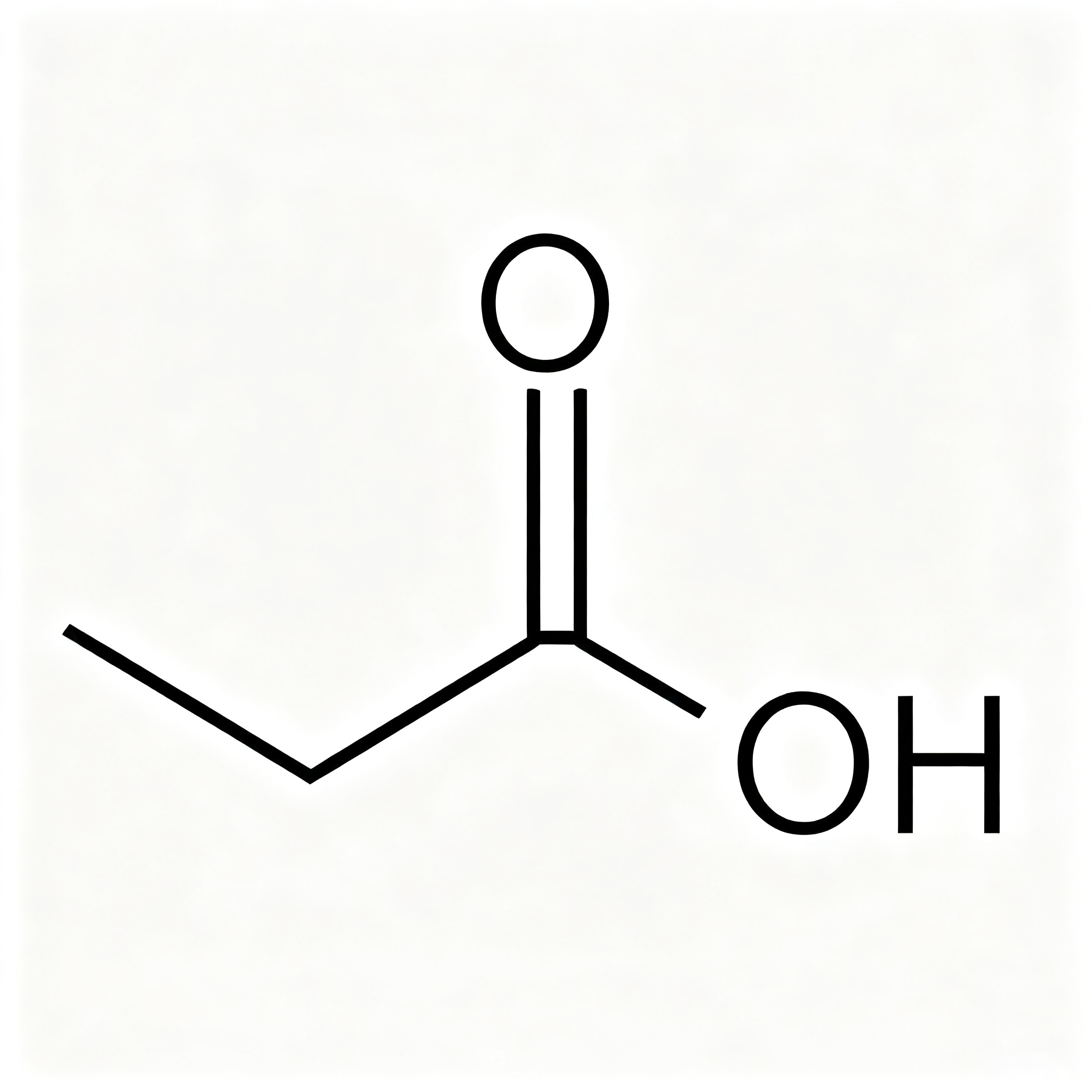 Propionic Acid
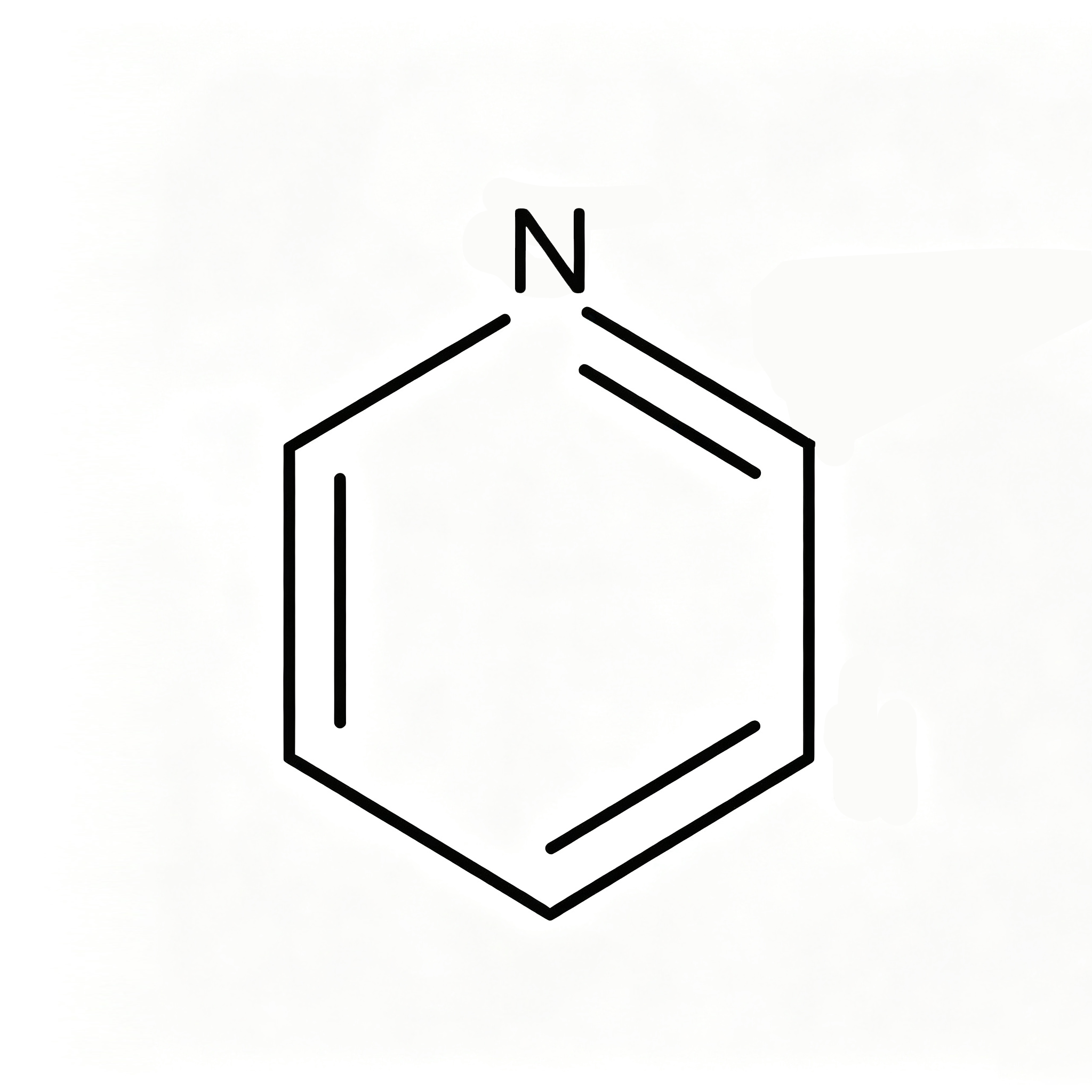 Pyridine
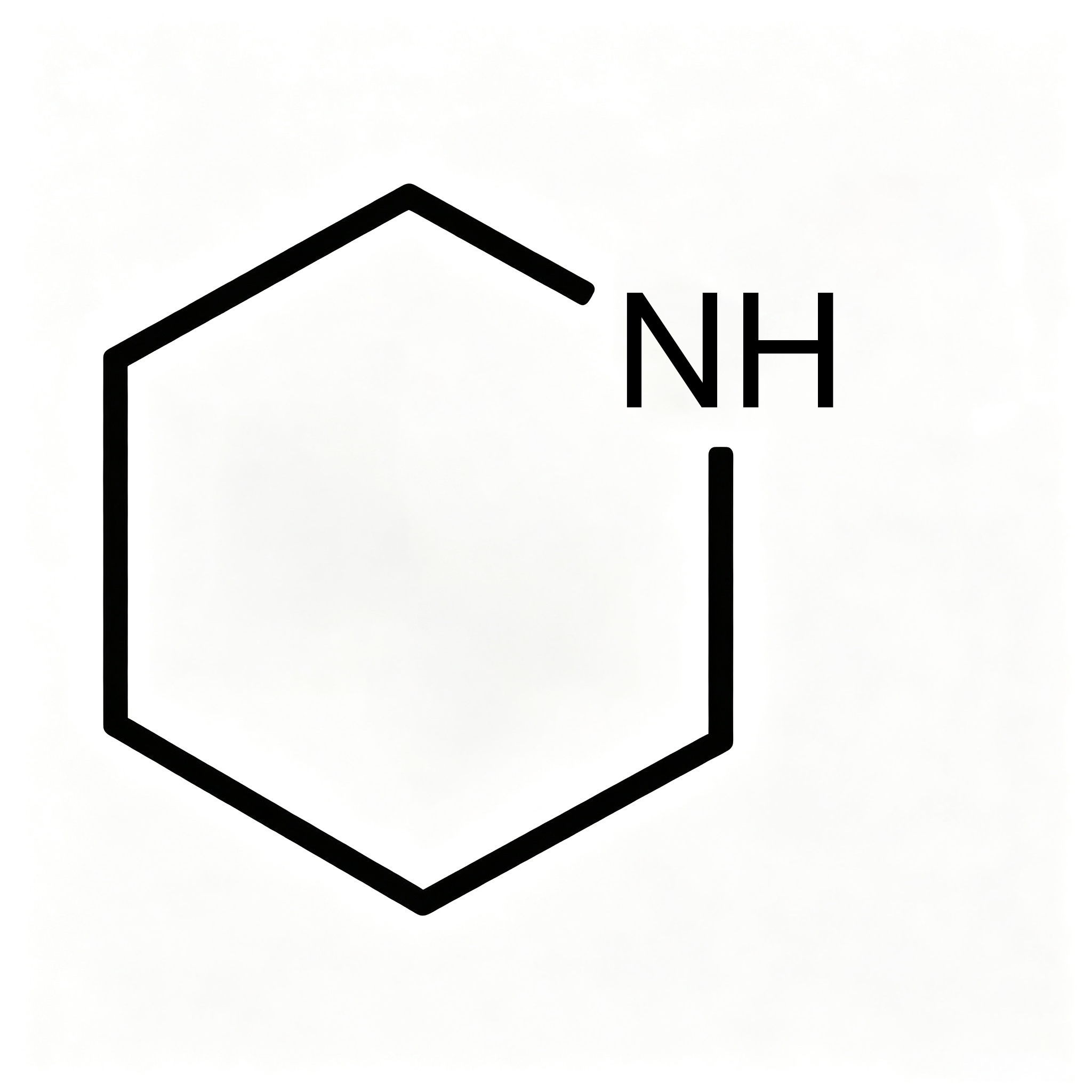 Piperidine
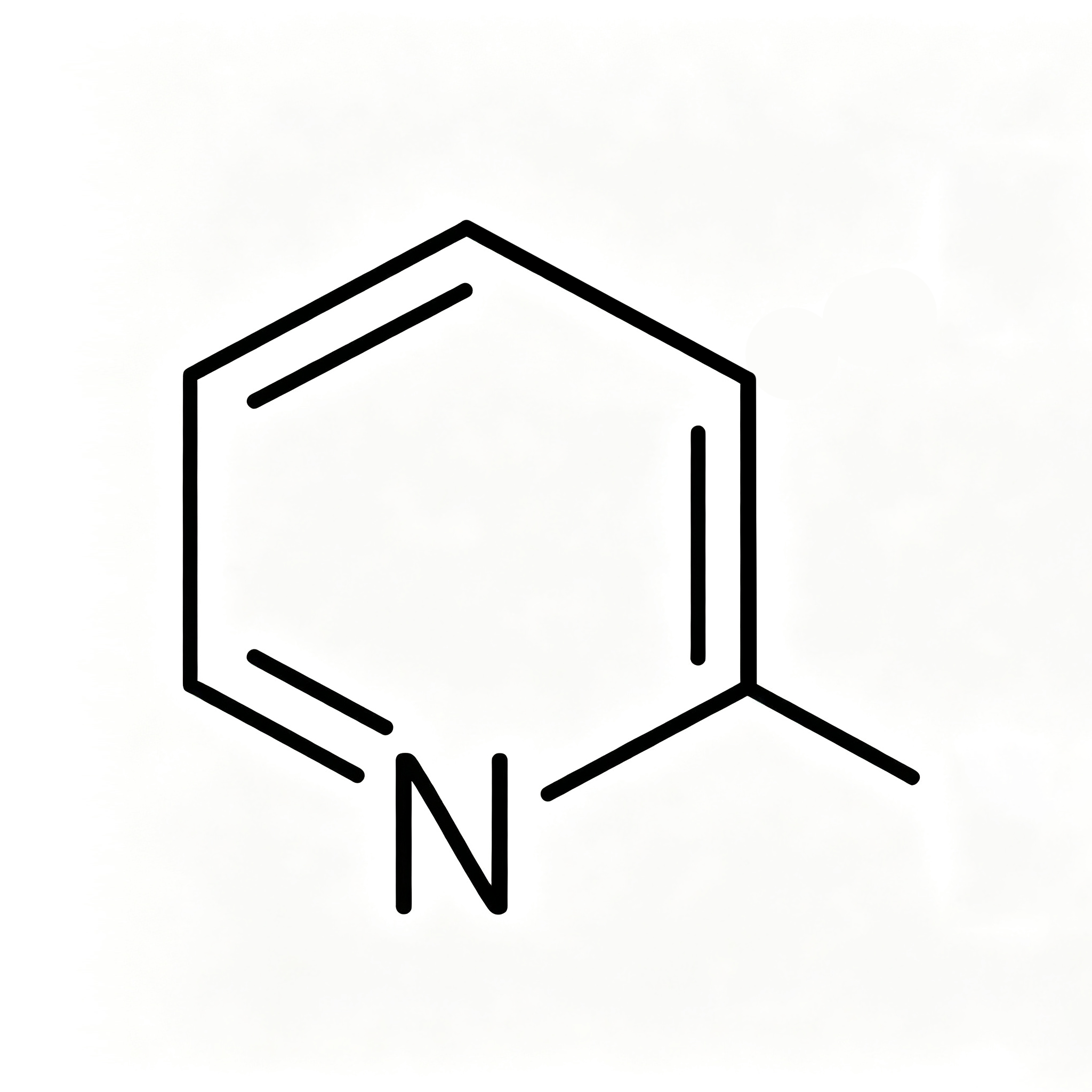 2-Methylpyridine
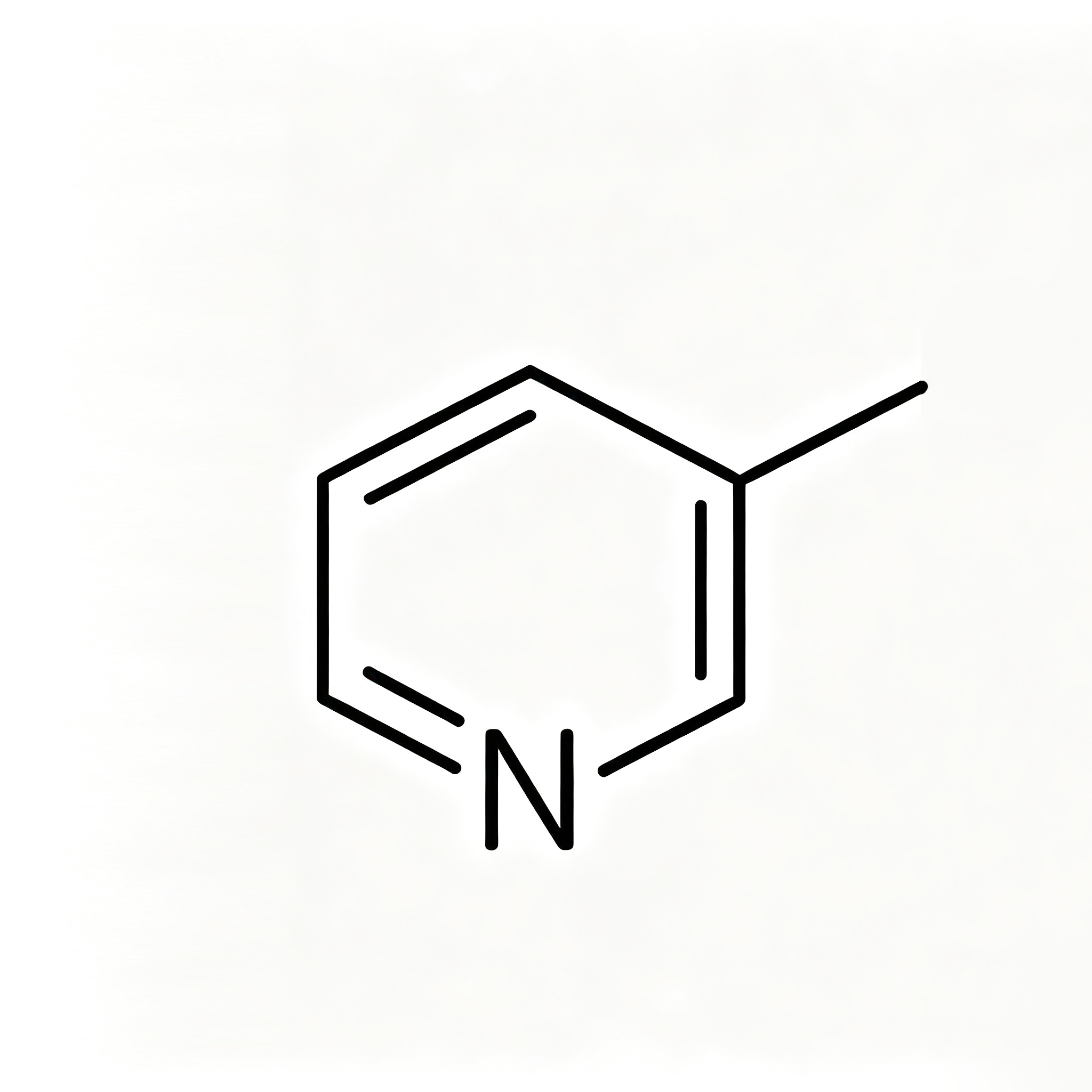 3-Methylpyridine
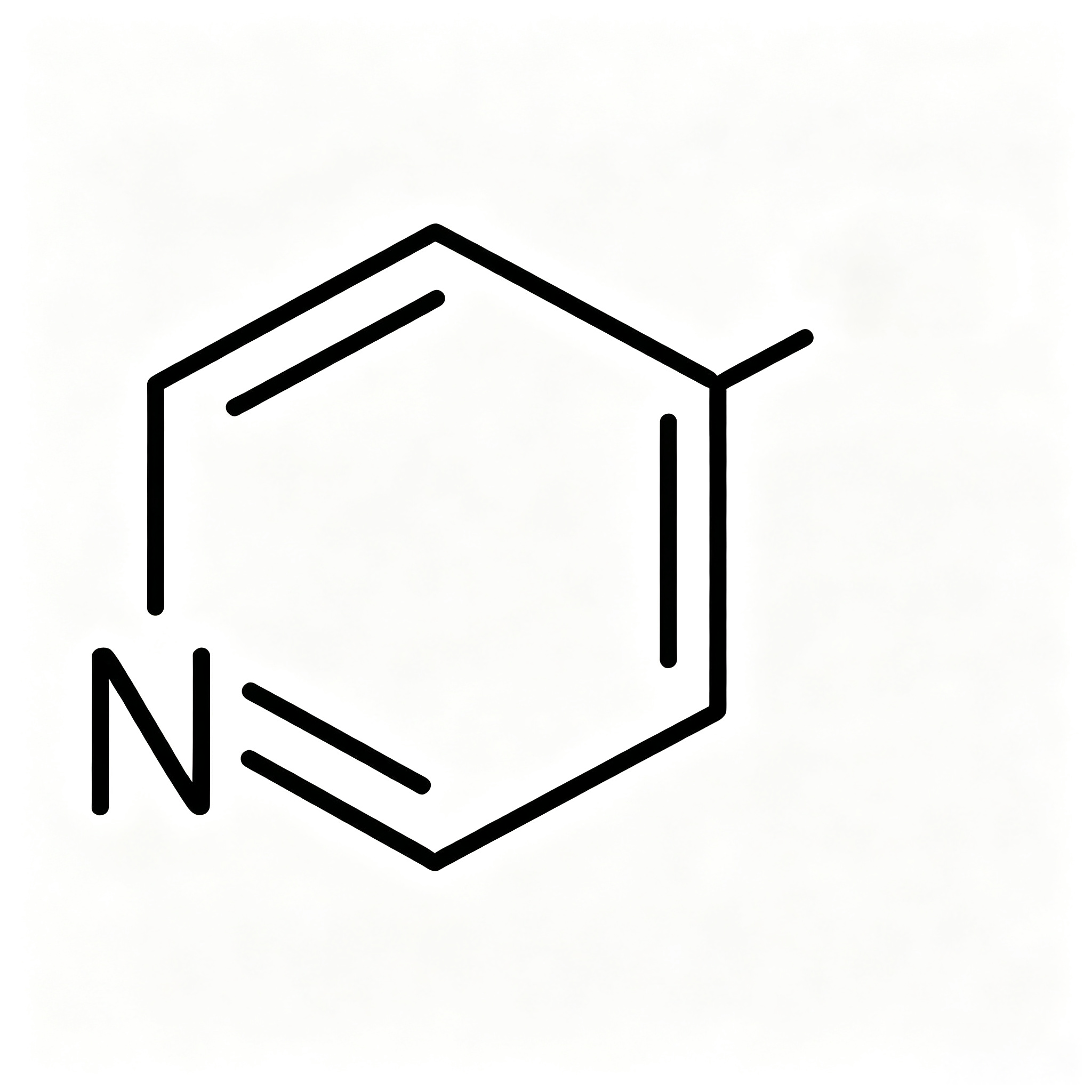 4-Methylpyridine
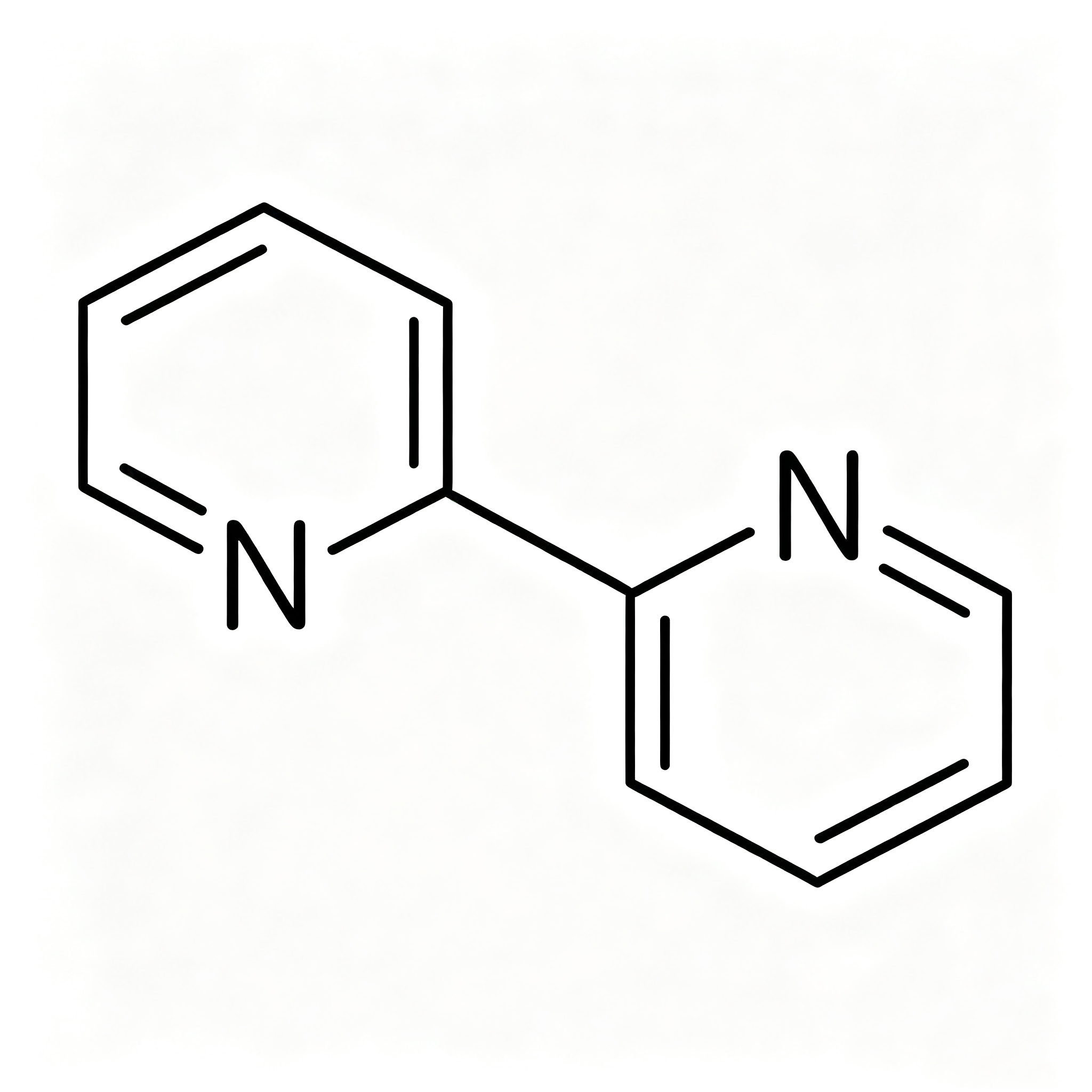 2,2'-Bipyridine
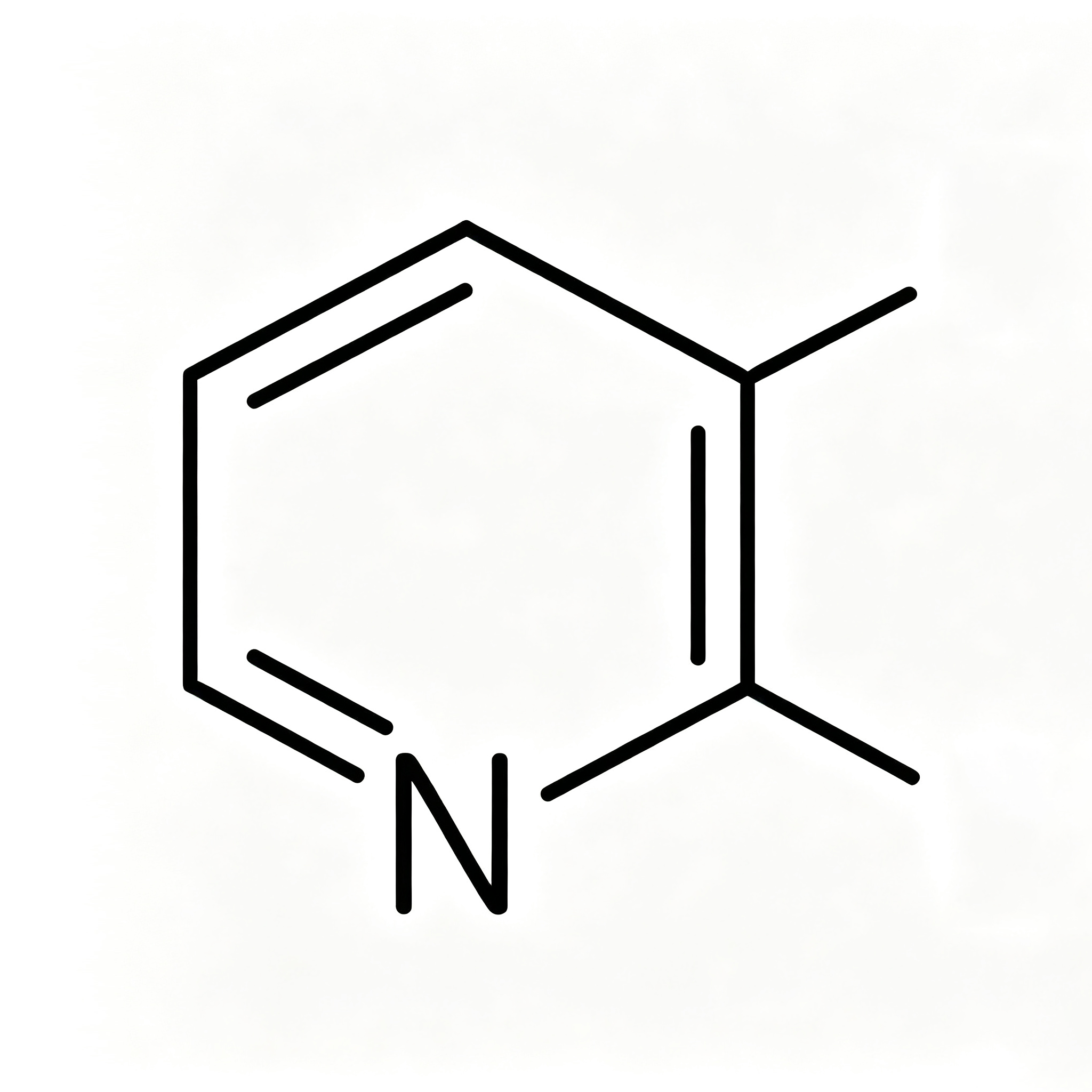 2,3-Dimethylpyridine
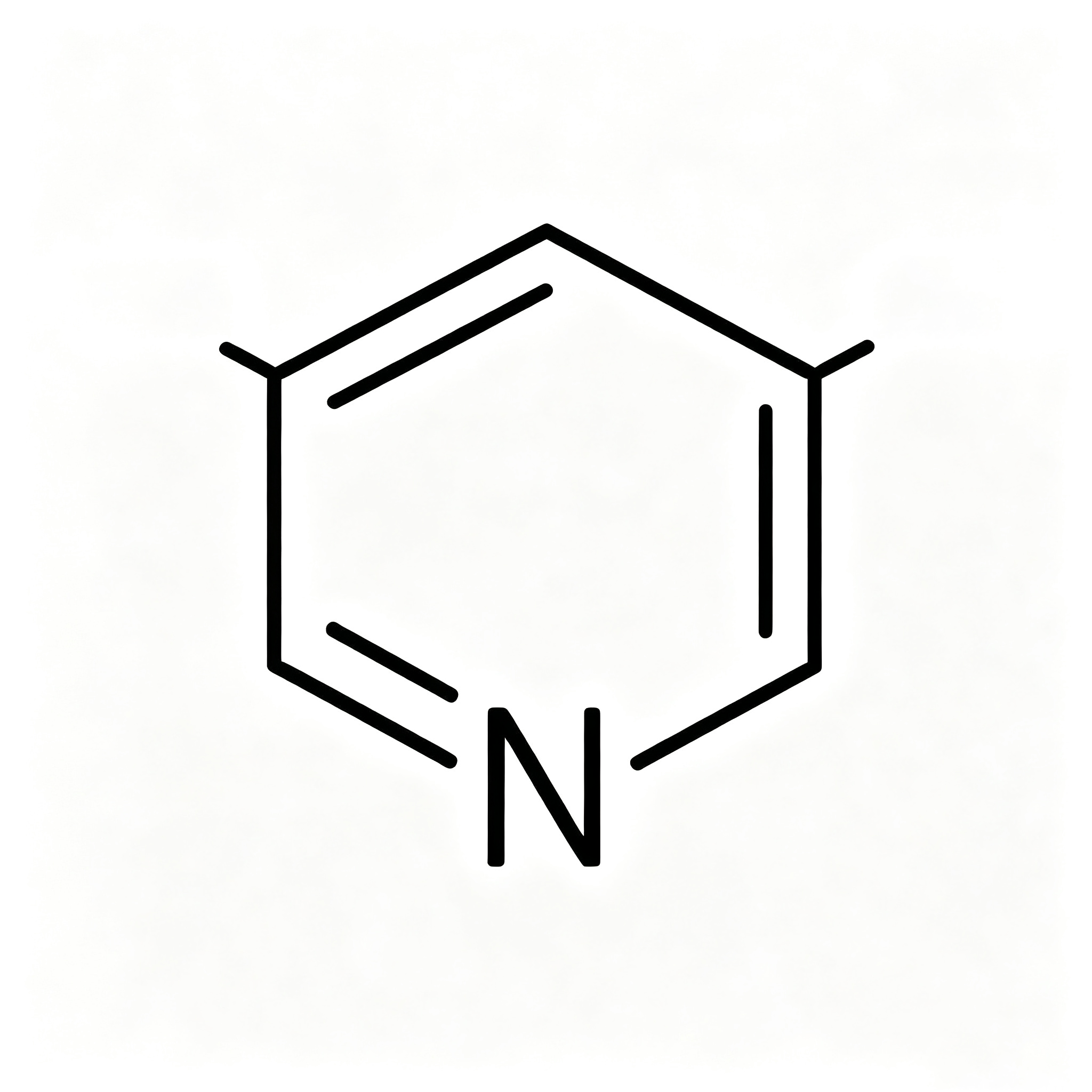 3,5-Dimethylpyridine
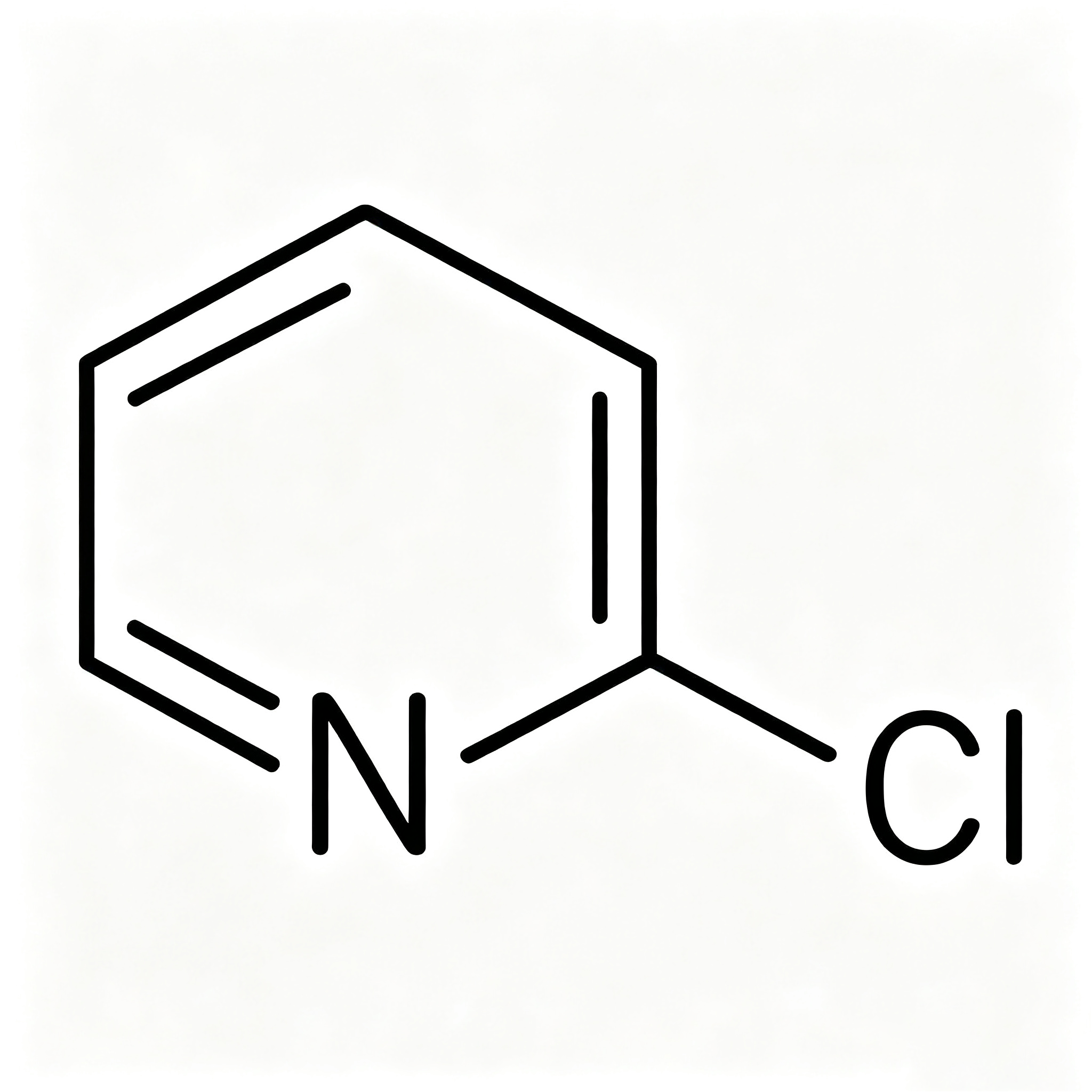 2-Chloropyridine
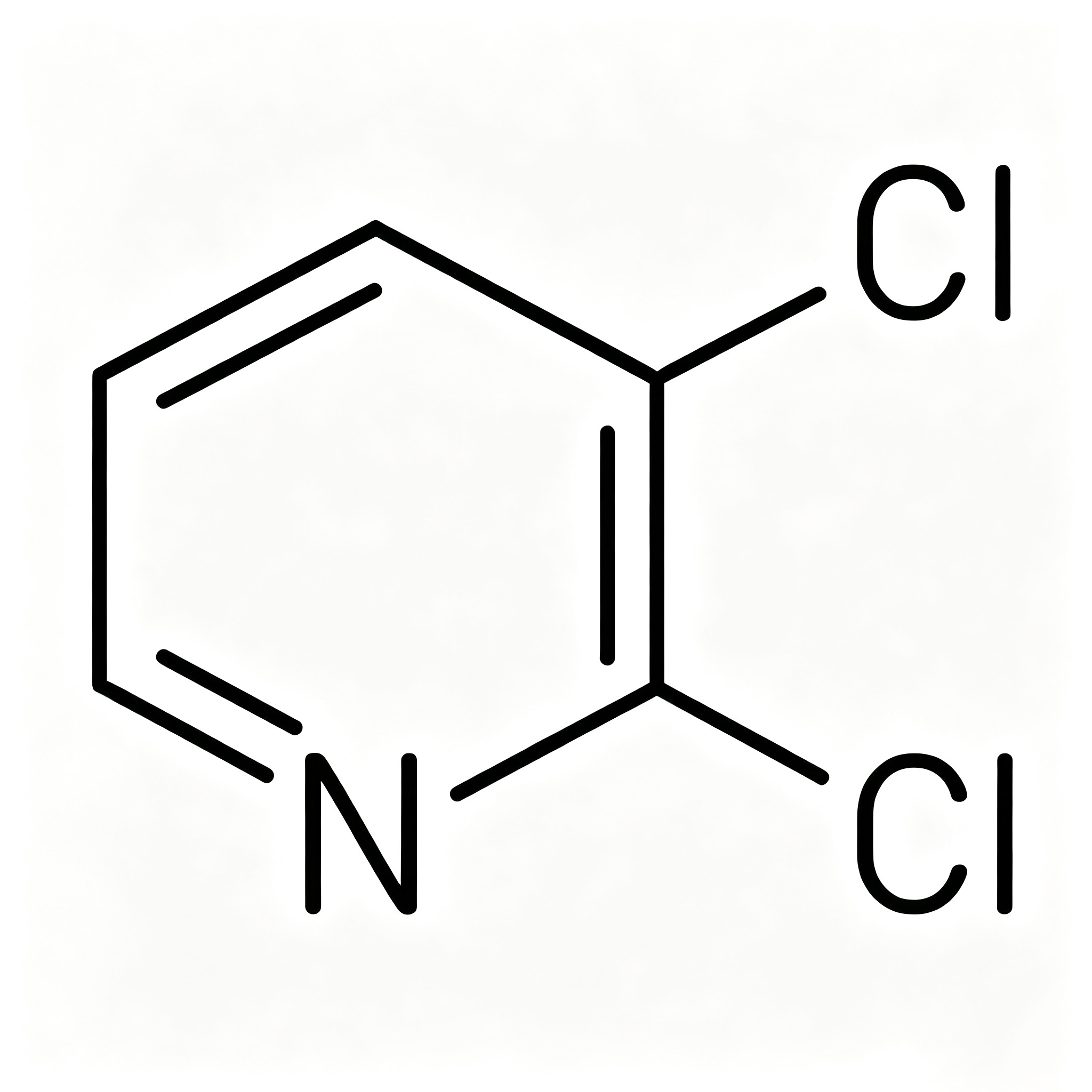 2,3-Dichloropyridine
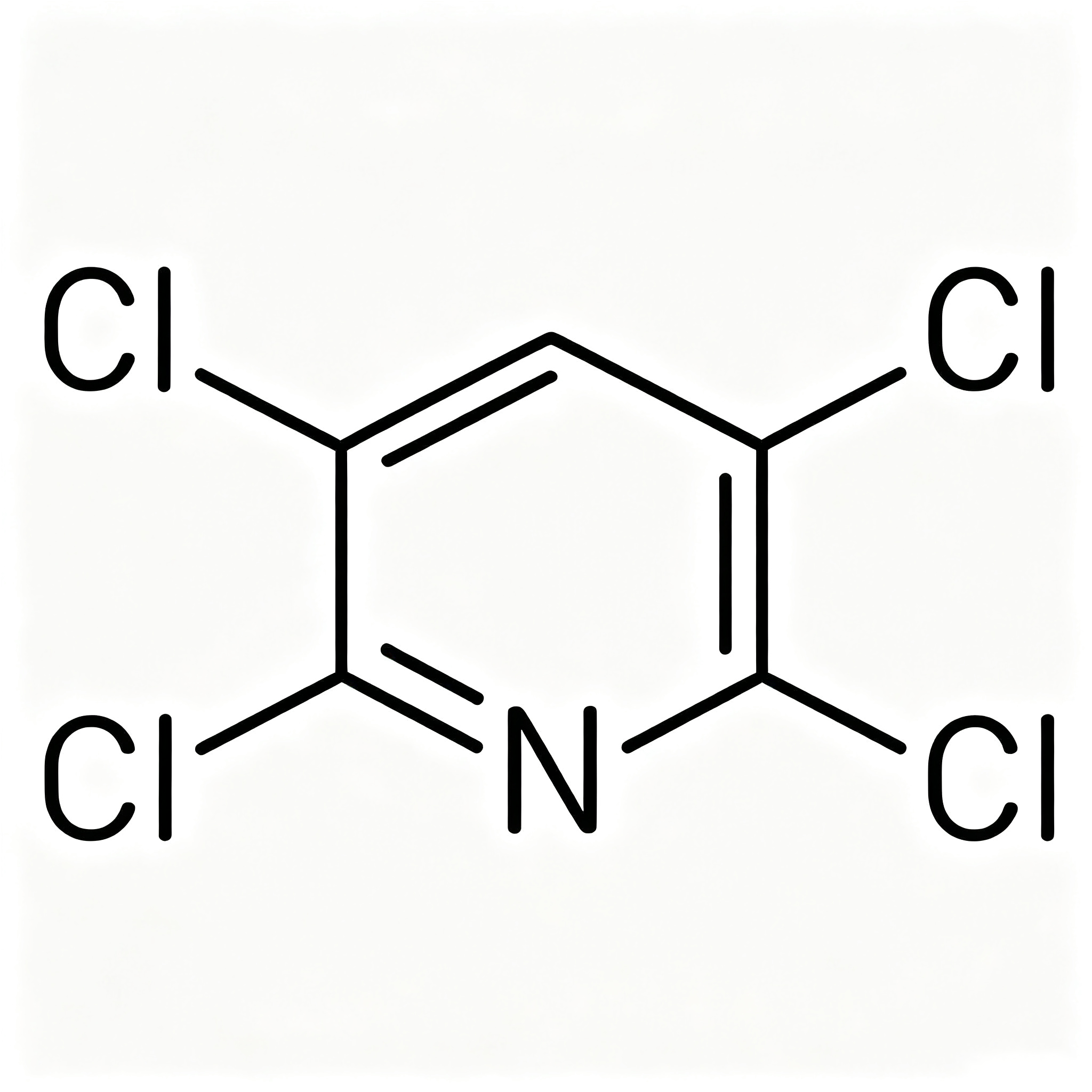 Tetrachloropyridine
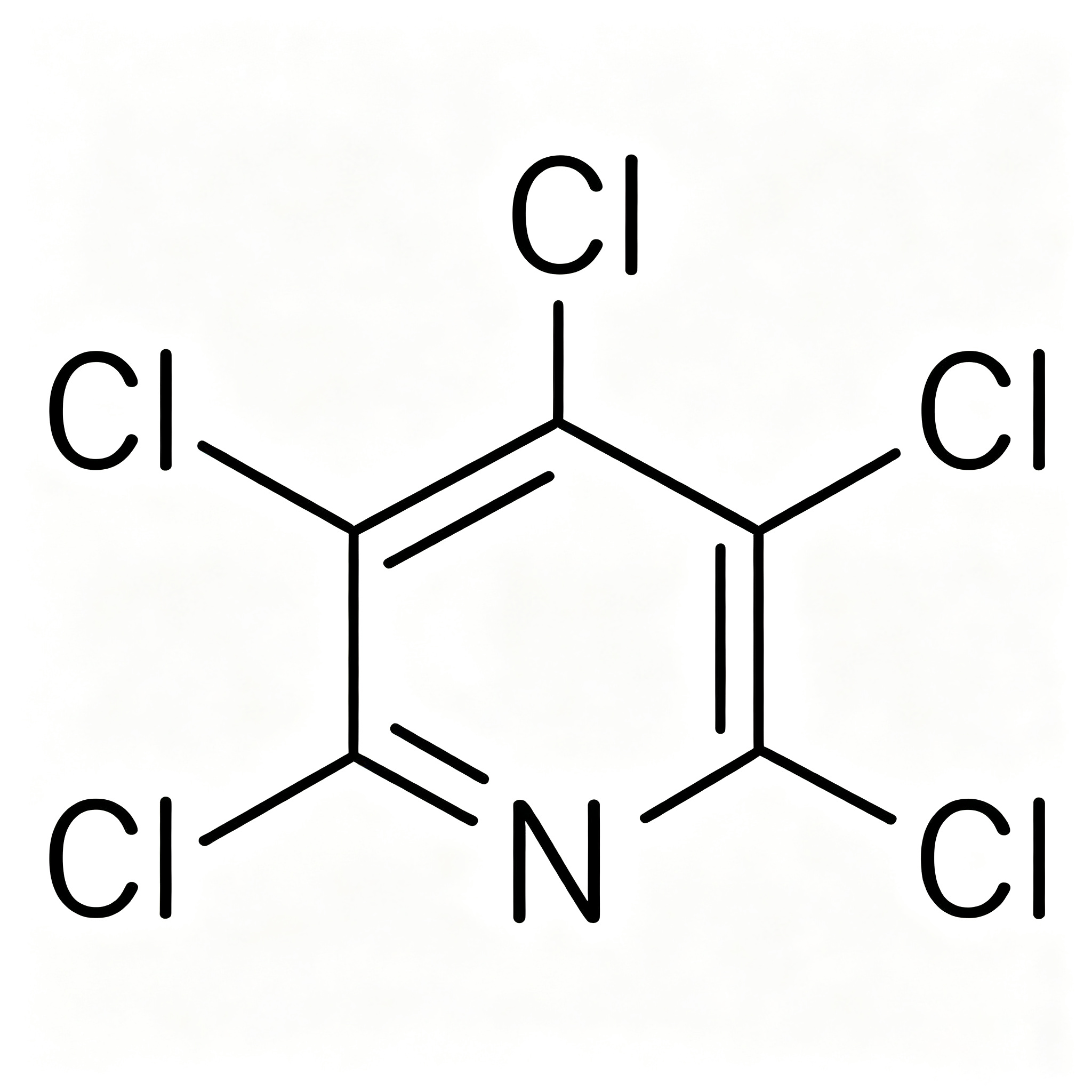 Pentachloropyridine
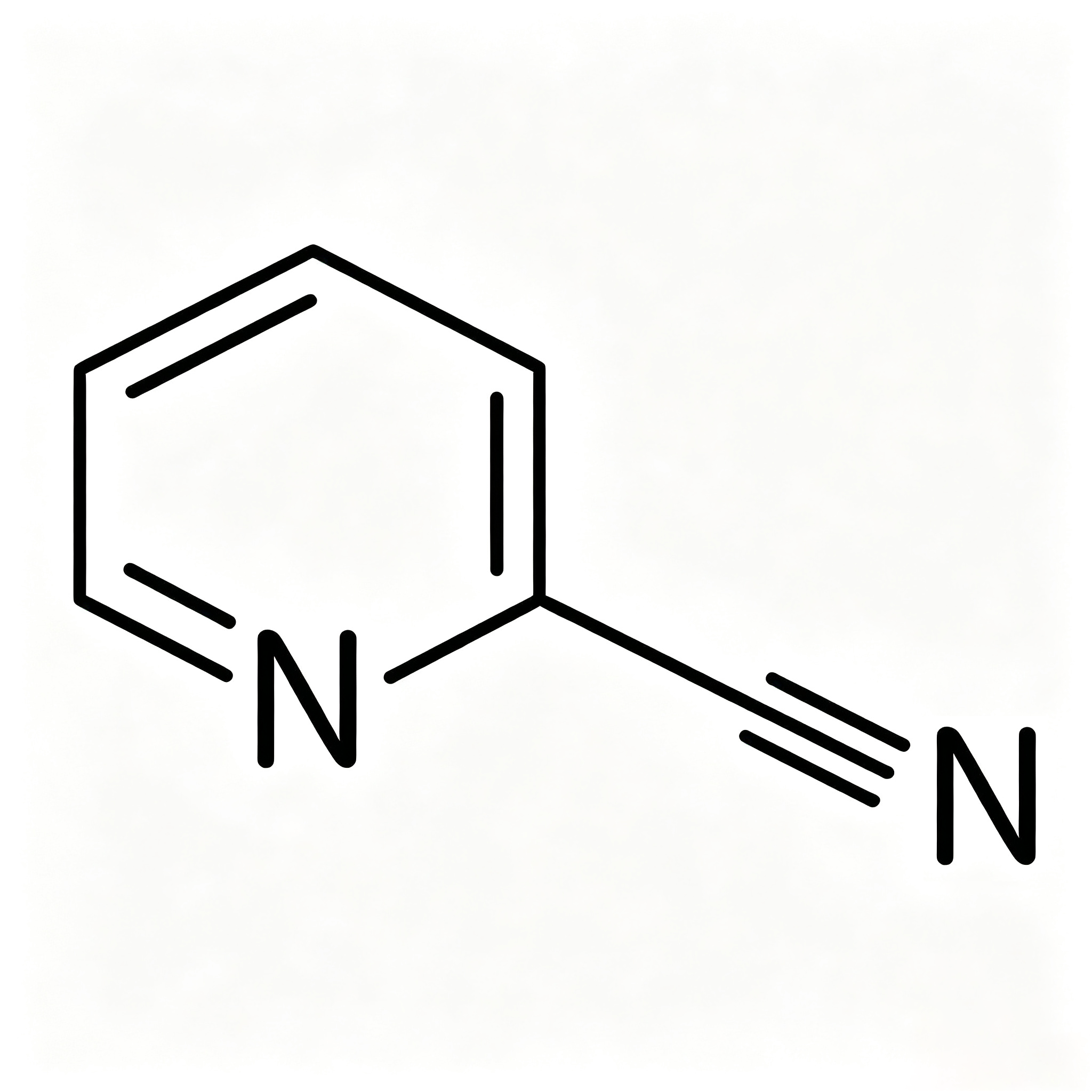 2-Cyanopyridine
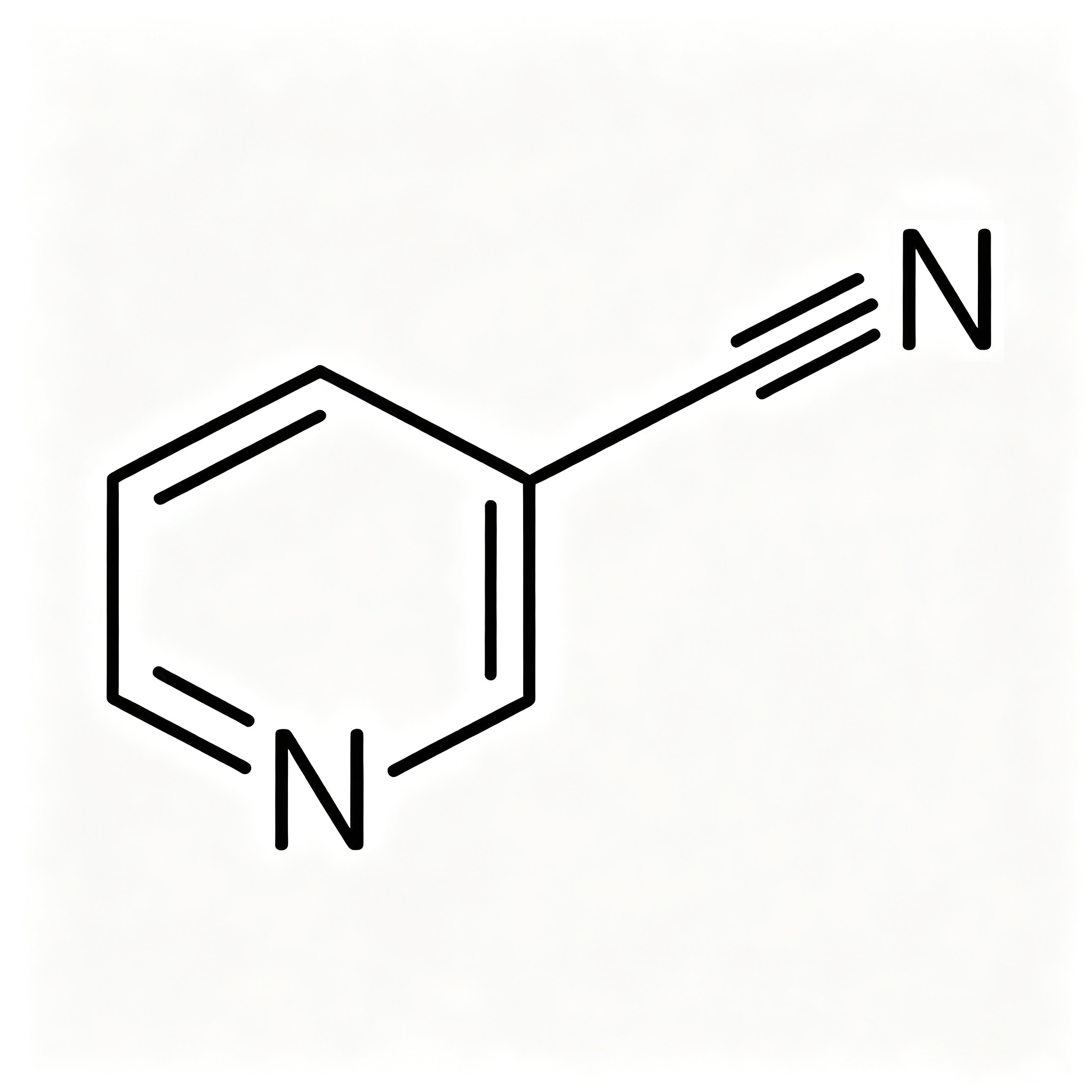 3-Cyanopyridine
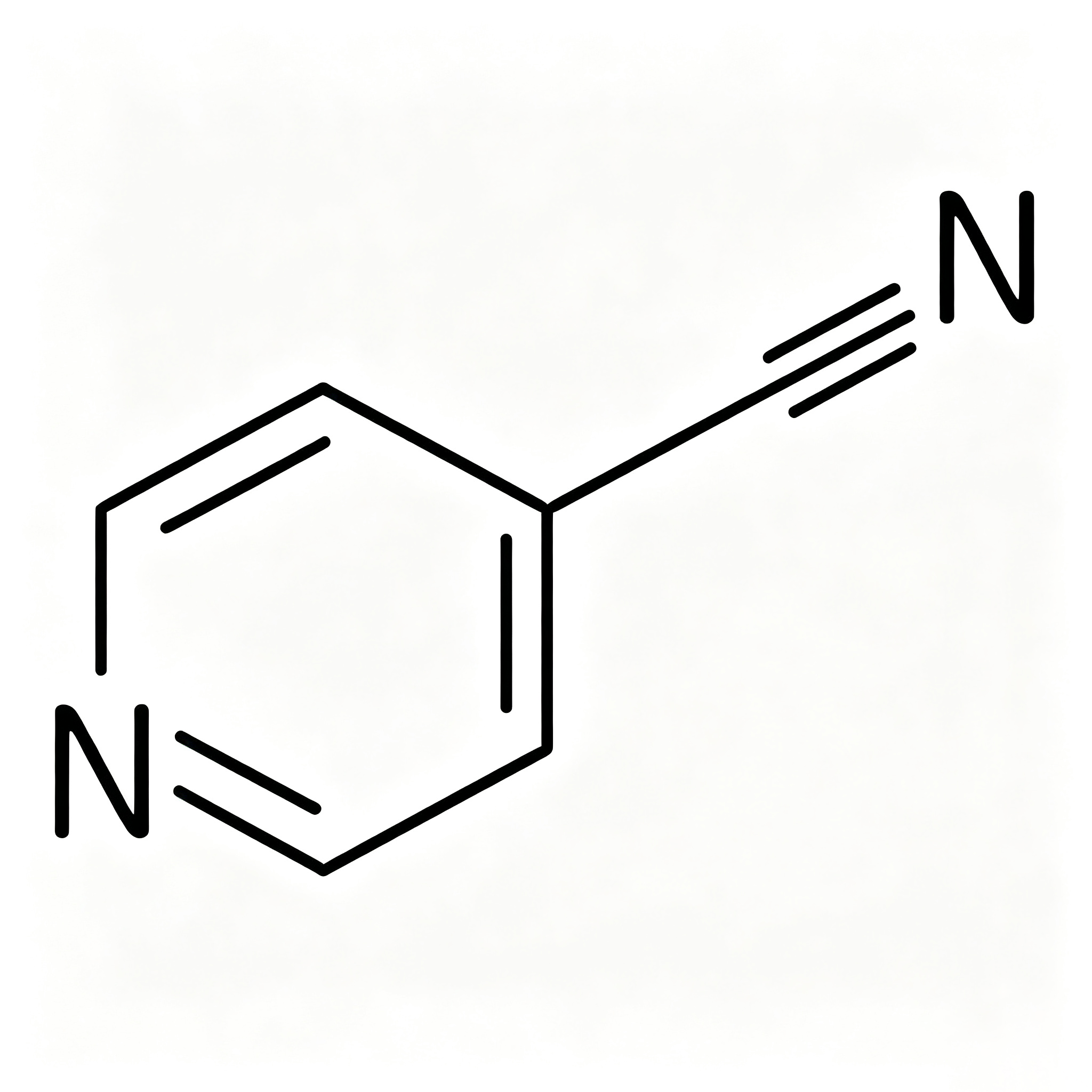 4-Cyanopyridine
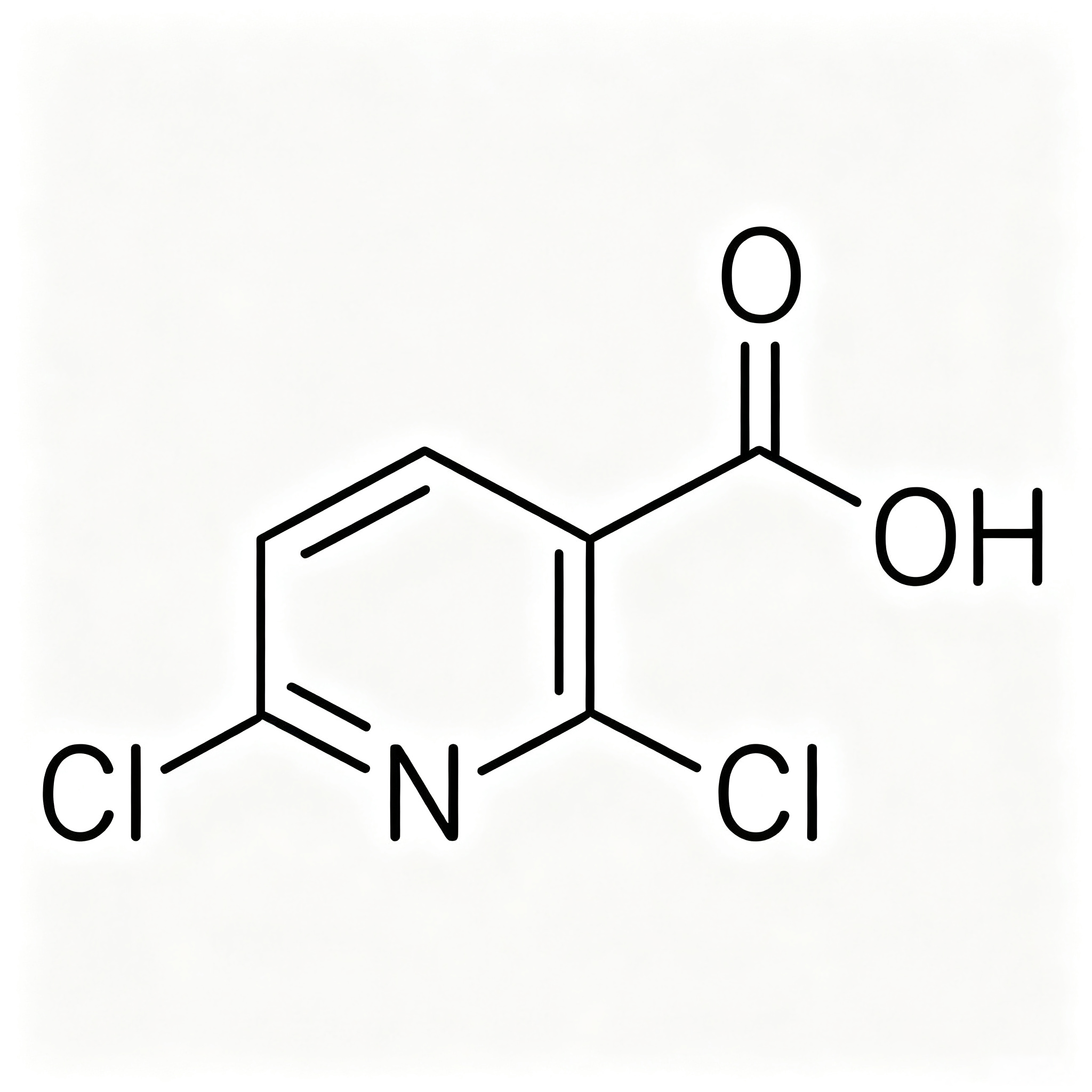 Dichloronicotinic Acid
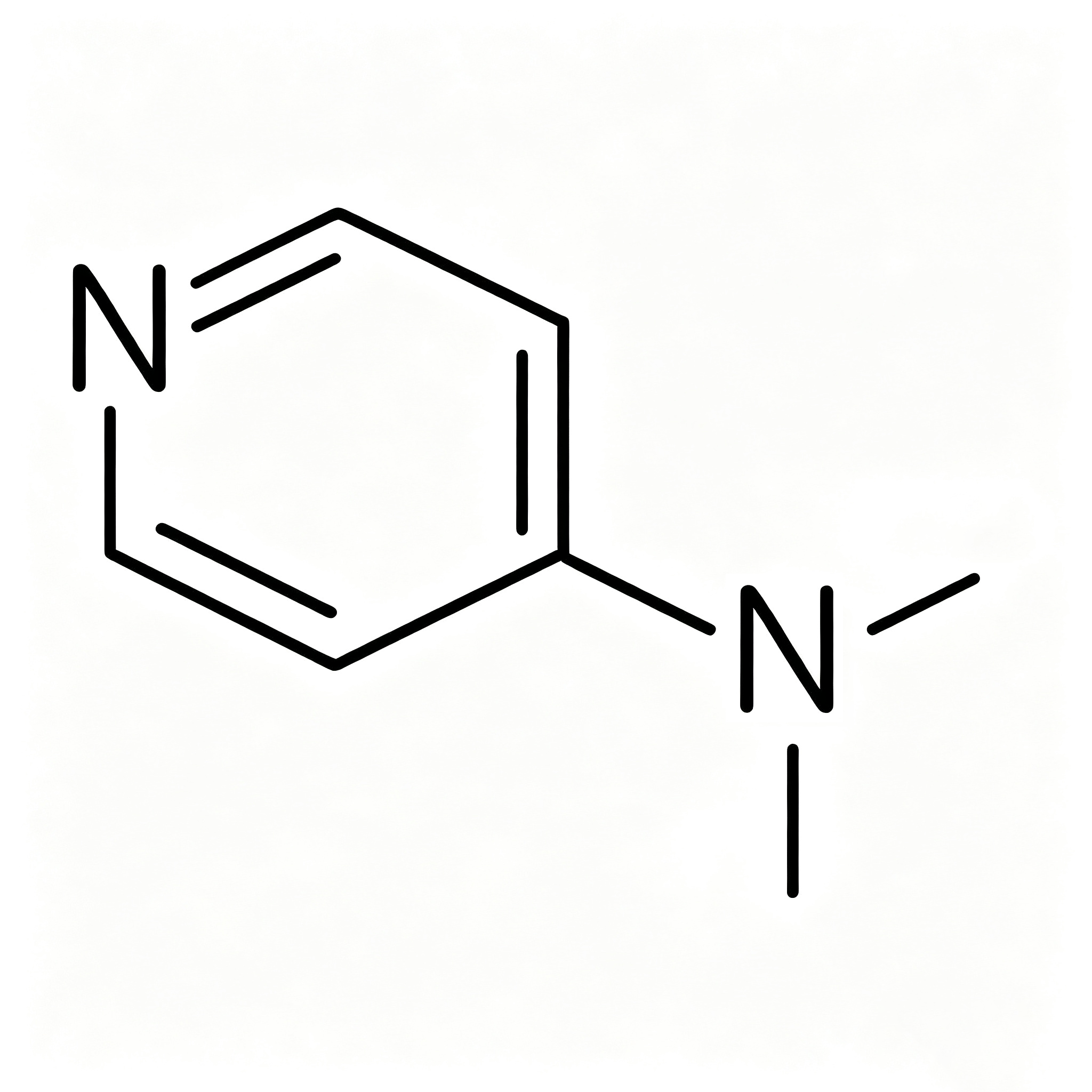 4-Dimethylaminopyridine
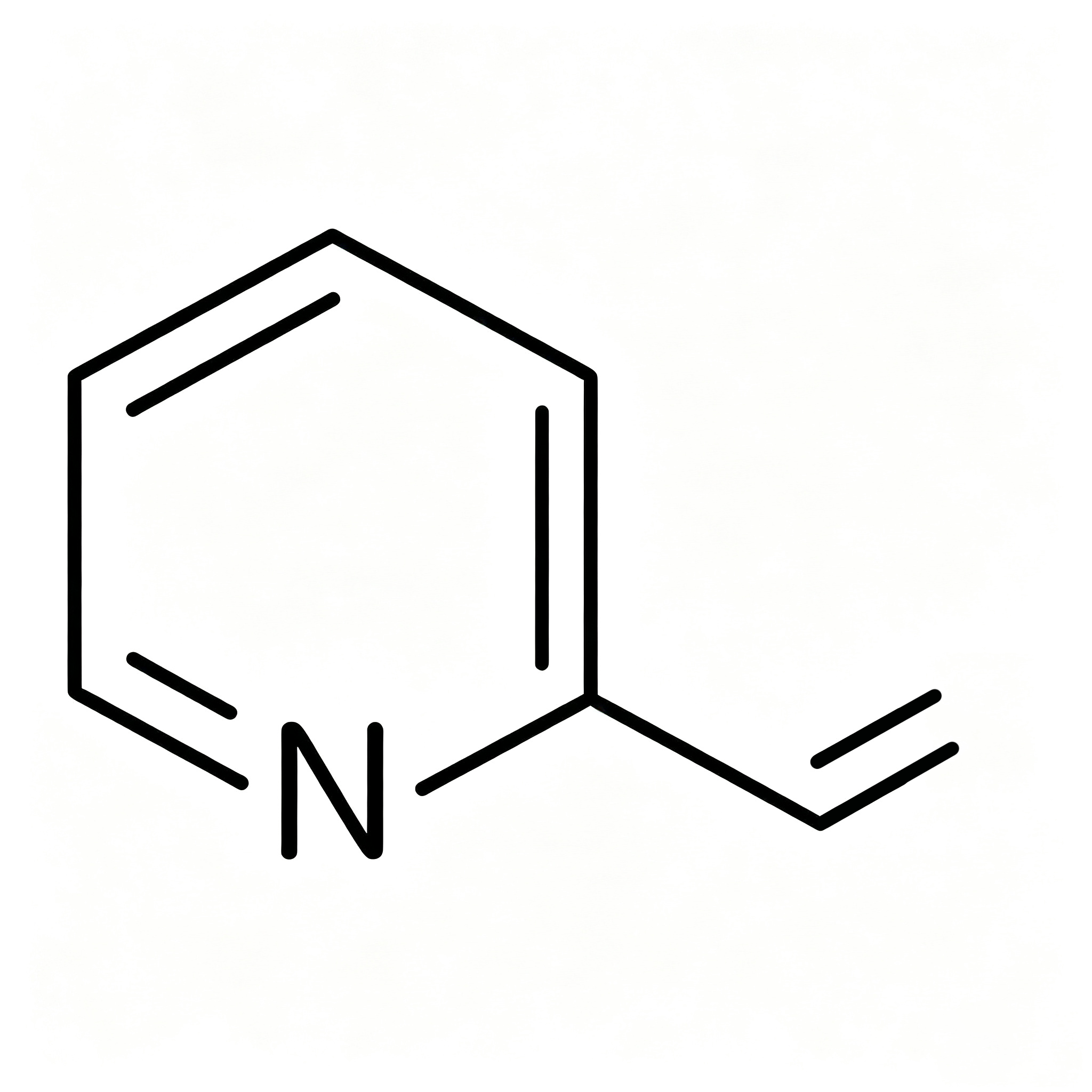 2-Vinylpyridine
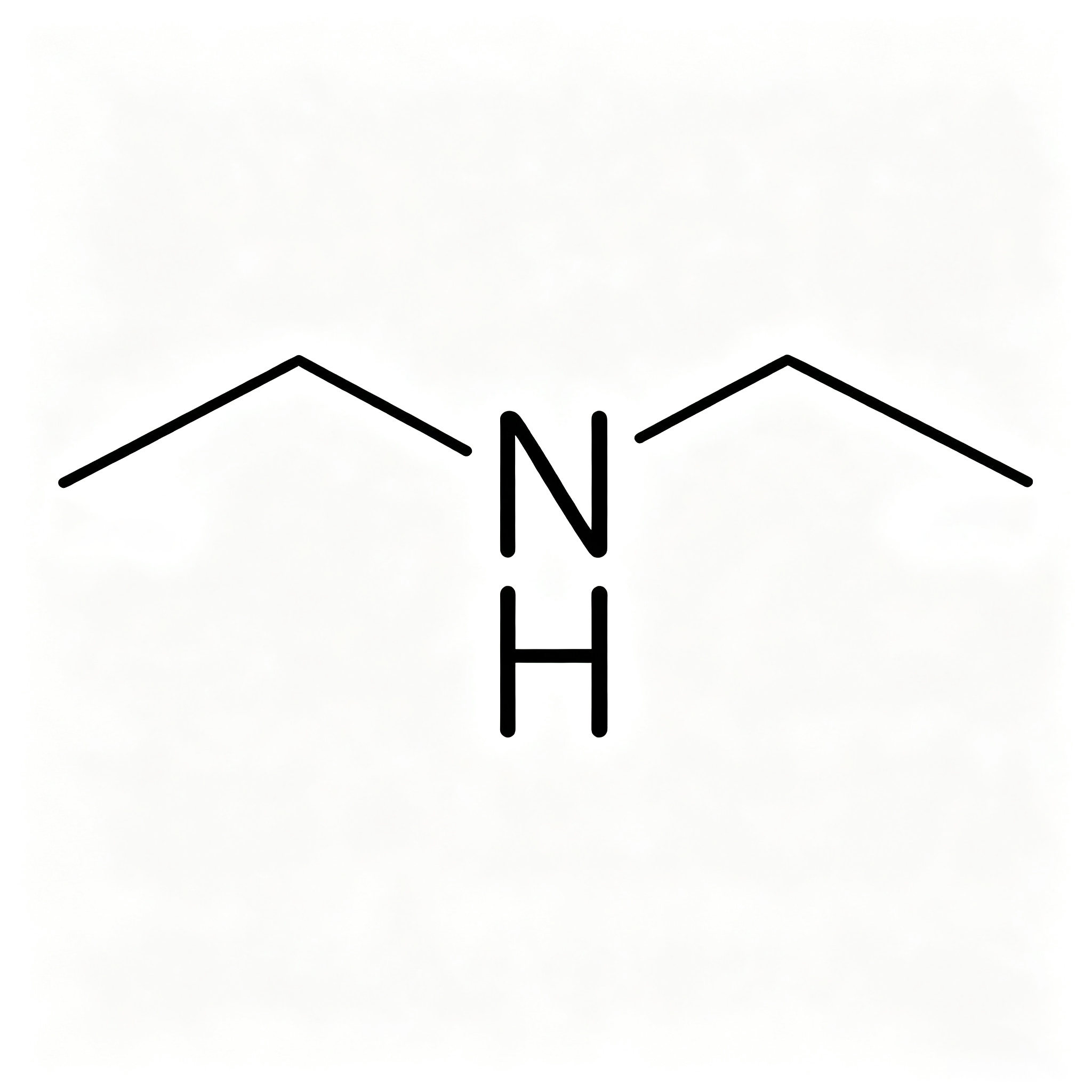 Diethylamine
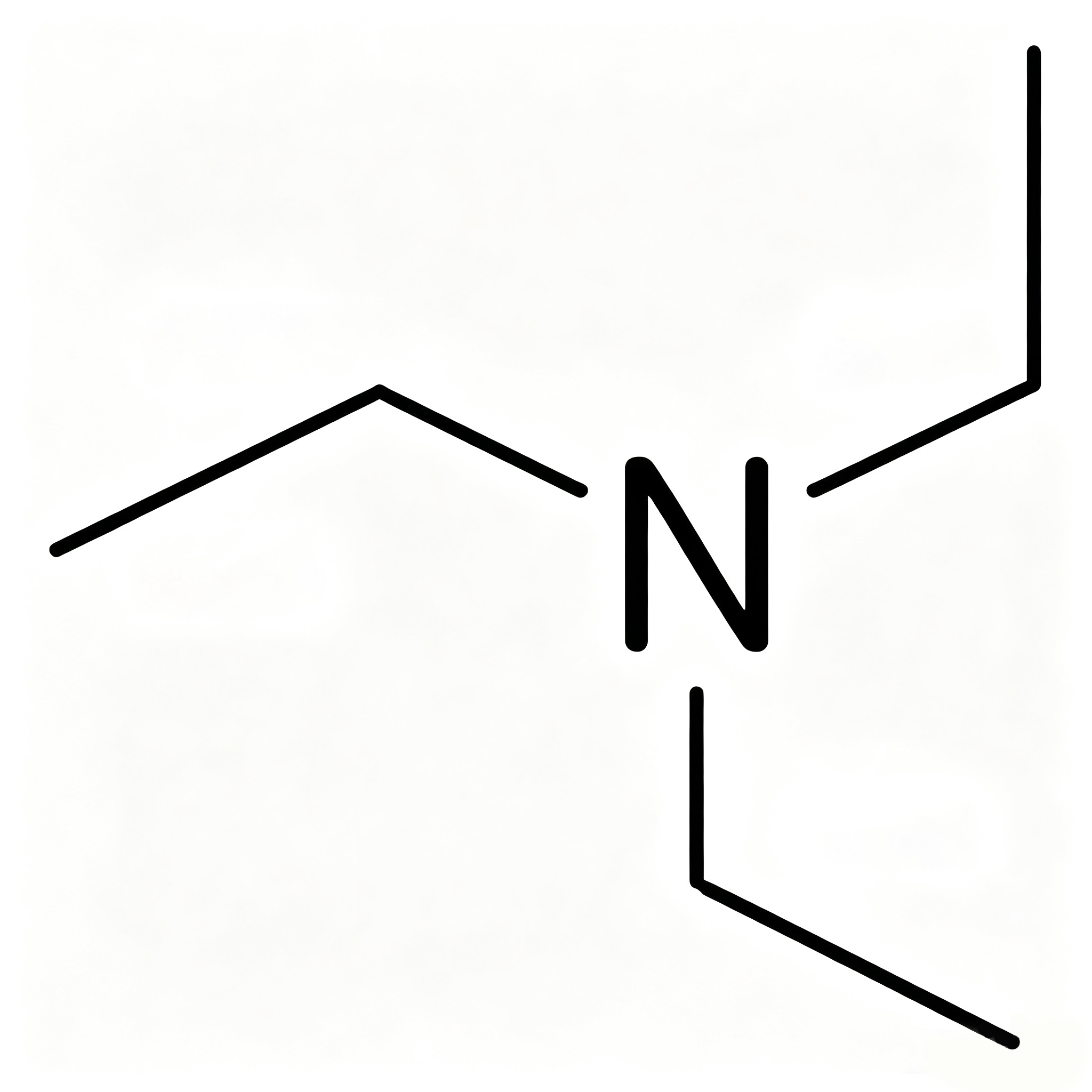 Triethylamine
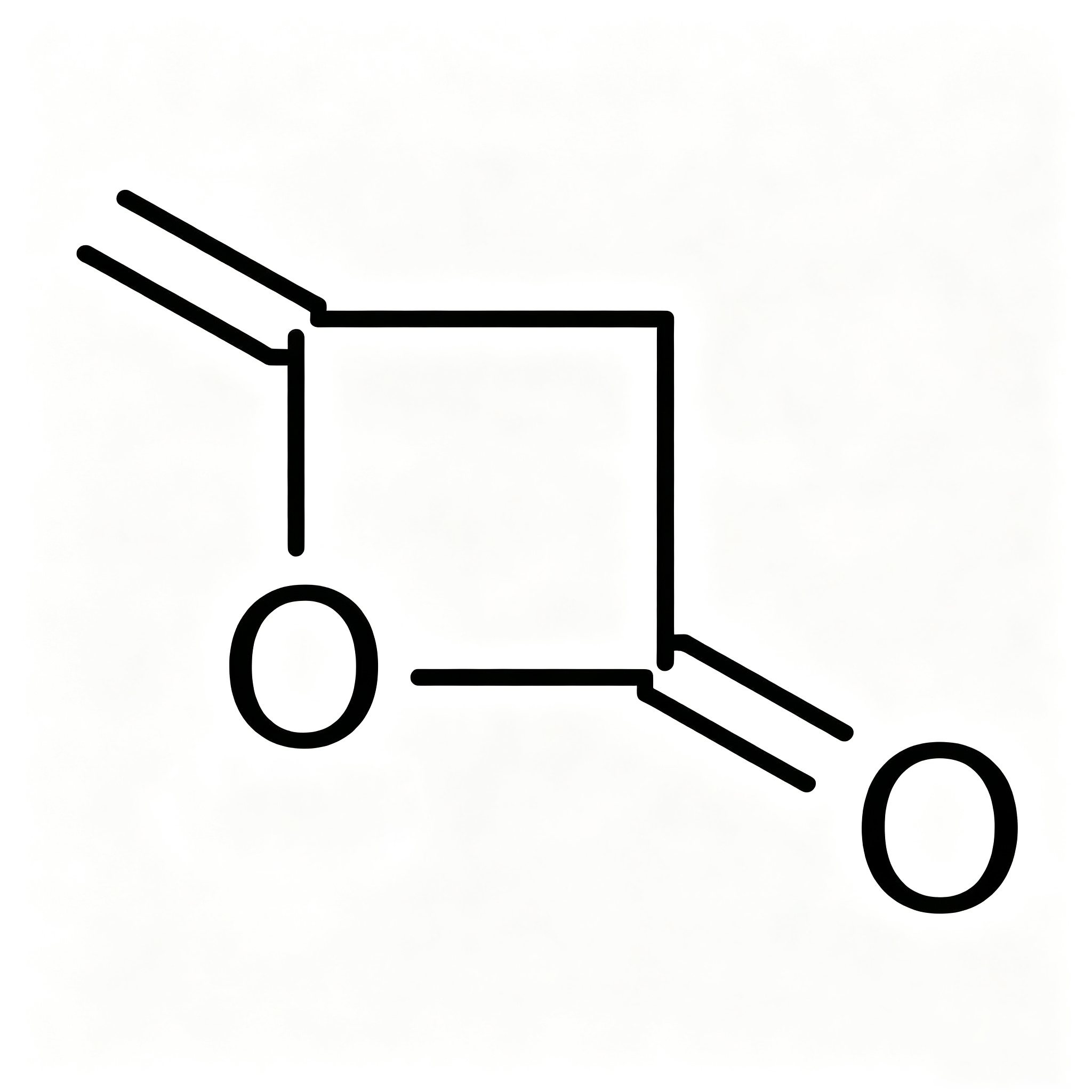 Diketene
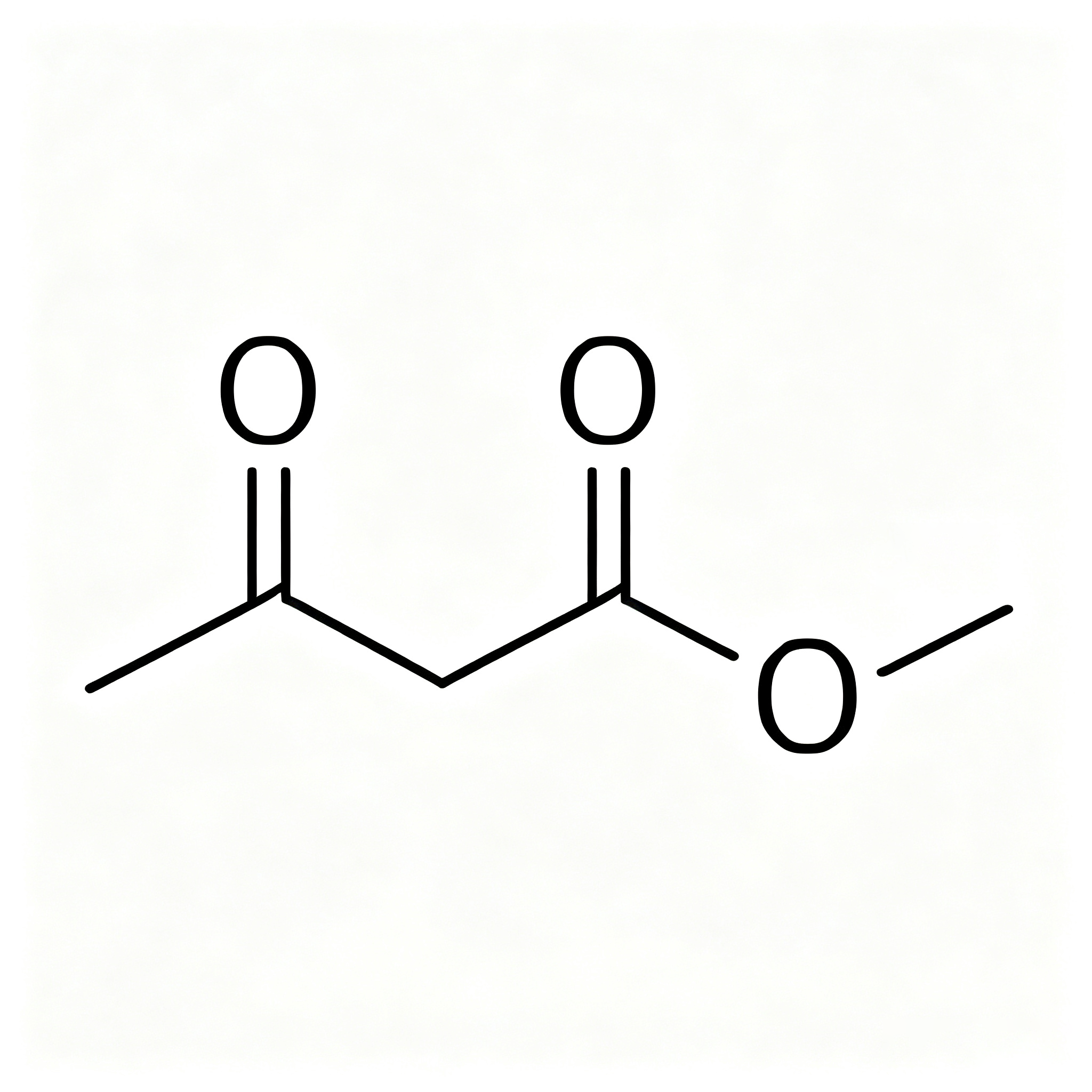 Methyl Acetoacetate
 Formaldehyde
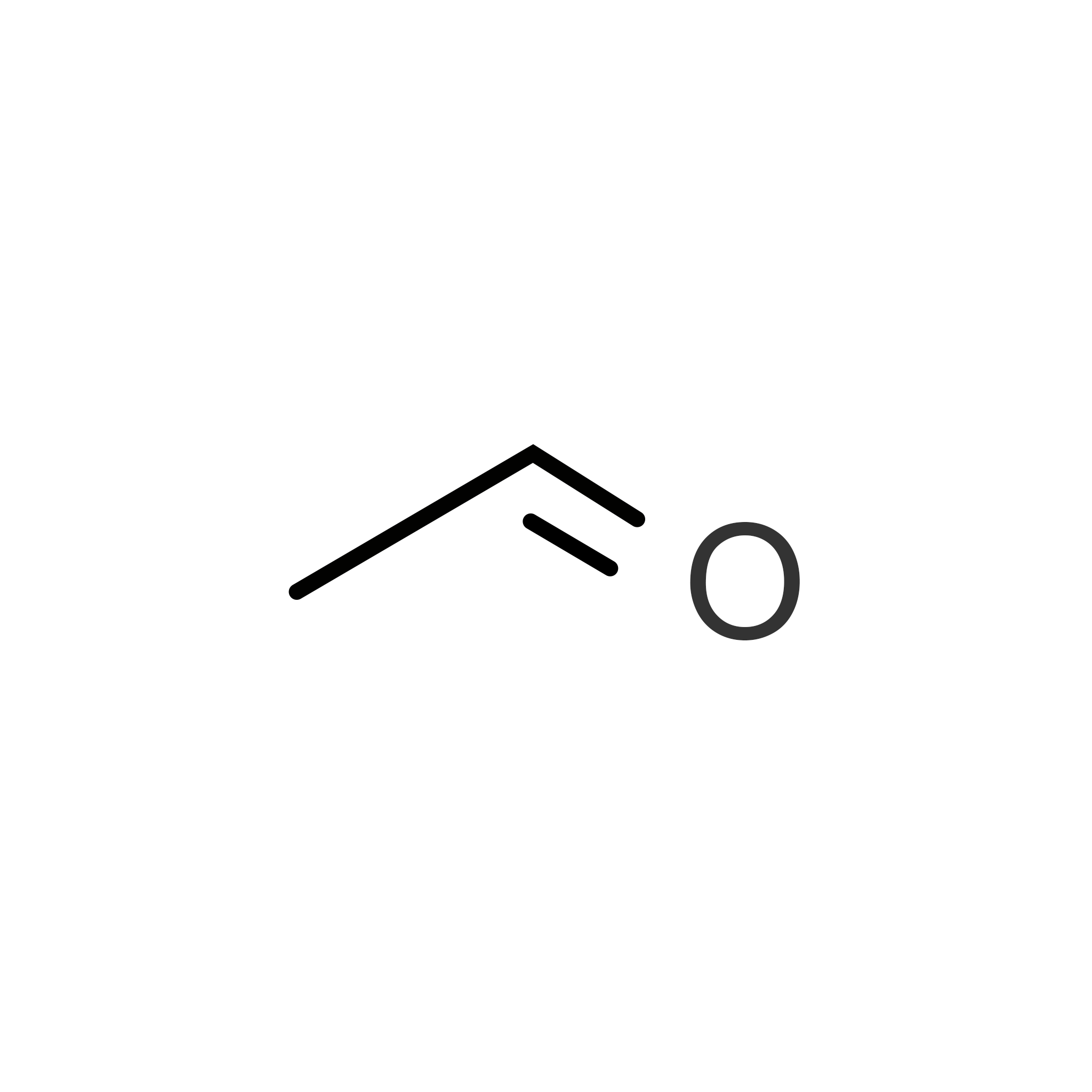 Acetaldehyde
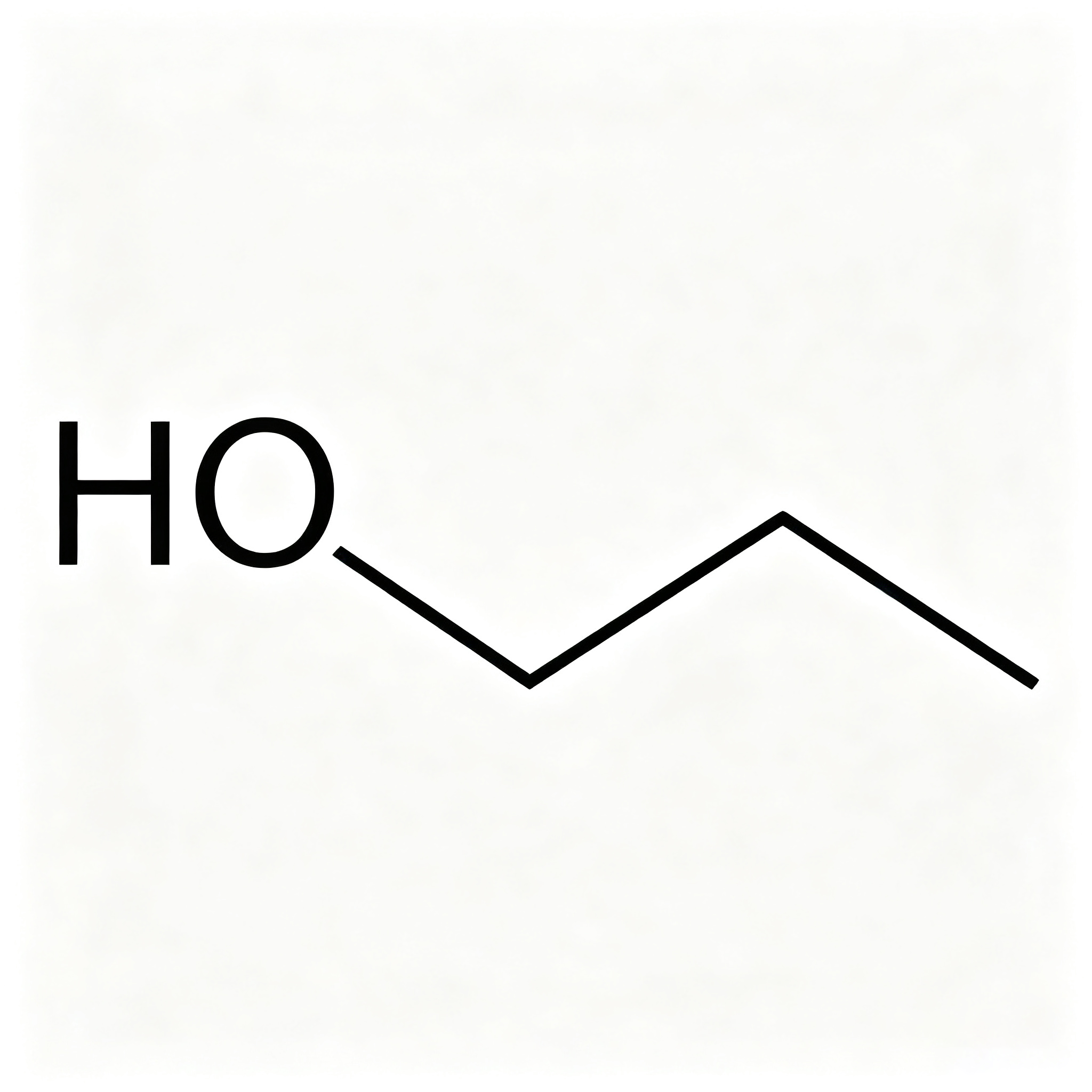 Propanol
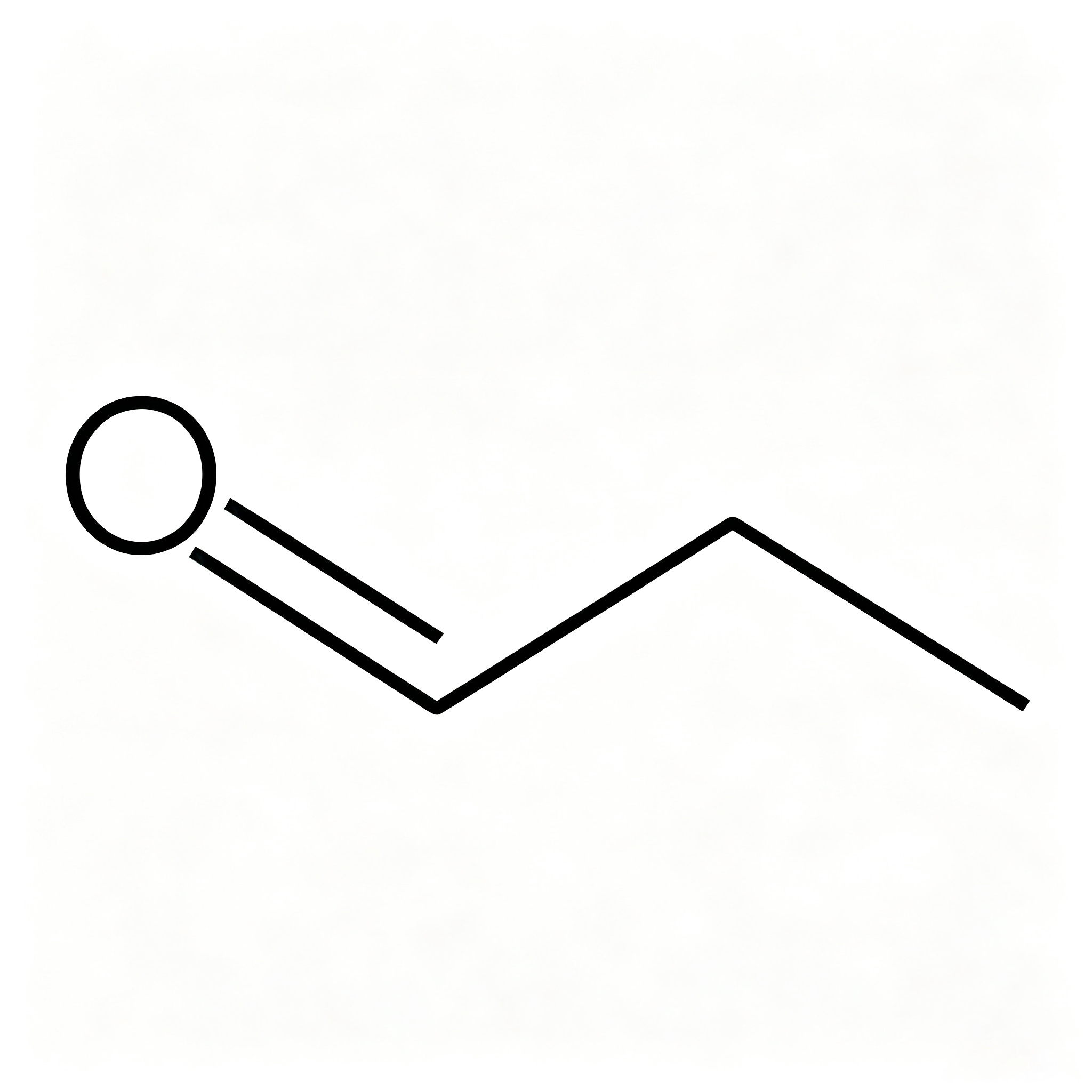 Propionaldehyde
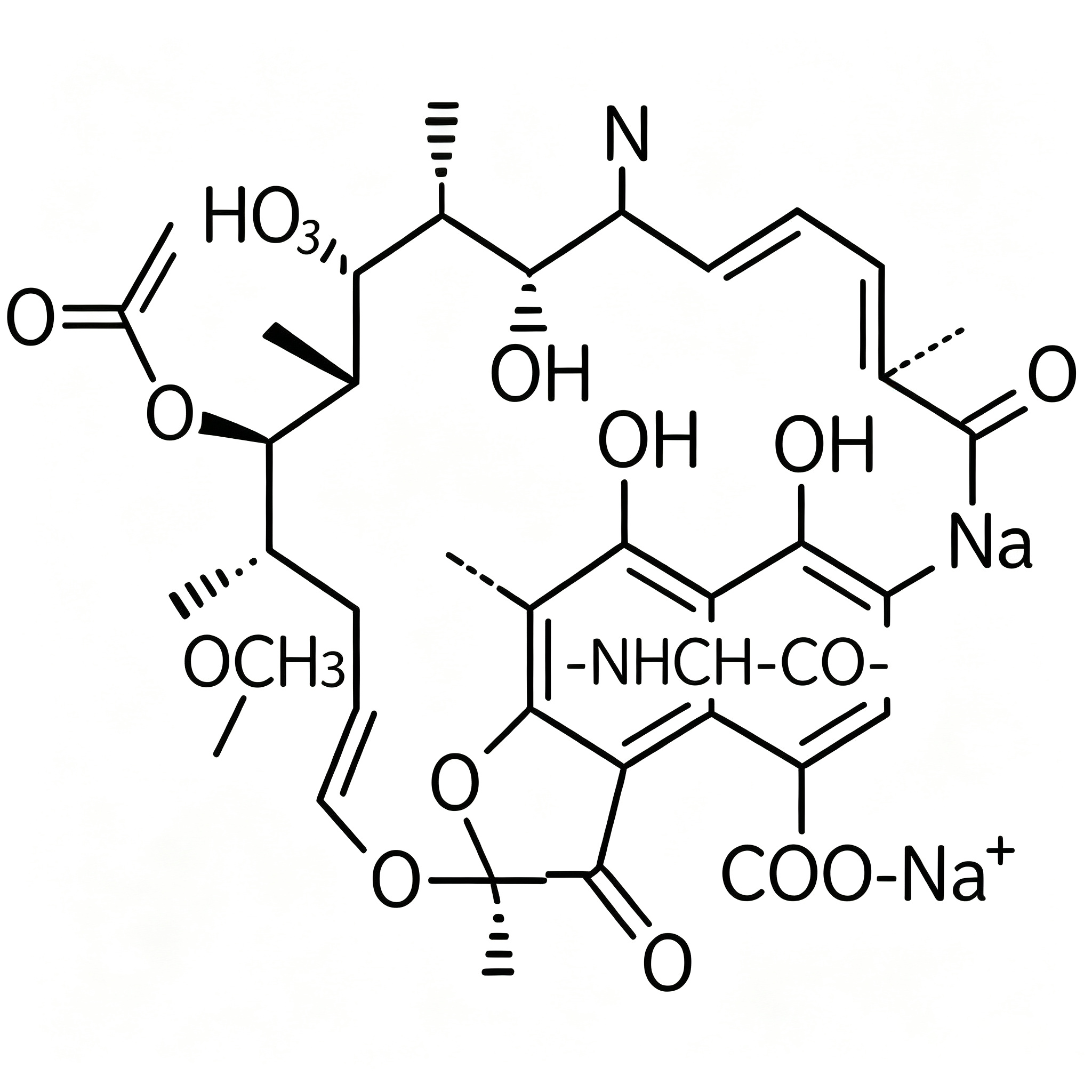 Rifamycin S Sodium
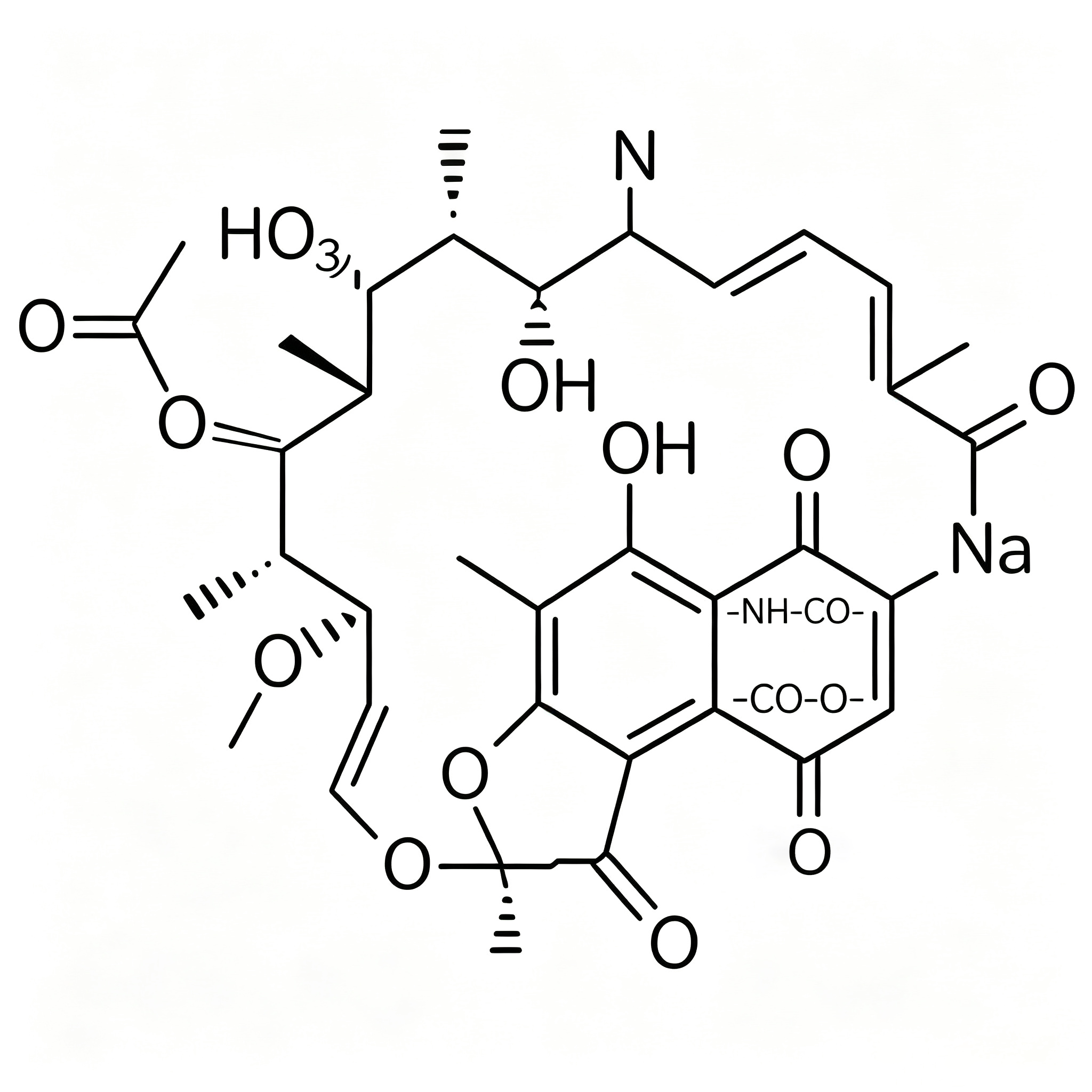 Rifamycin S
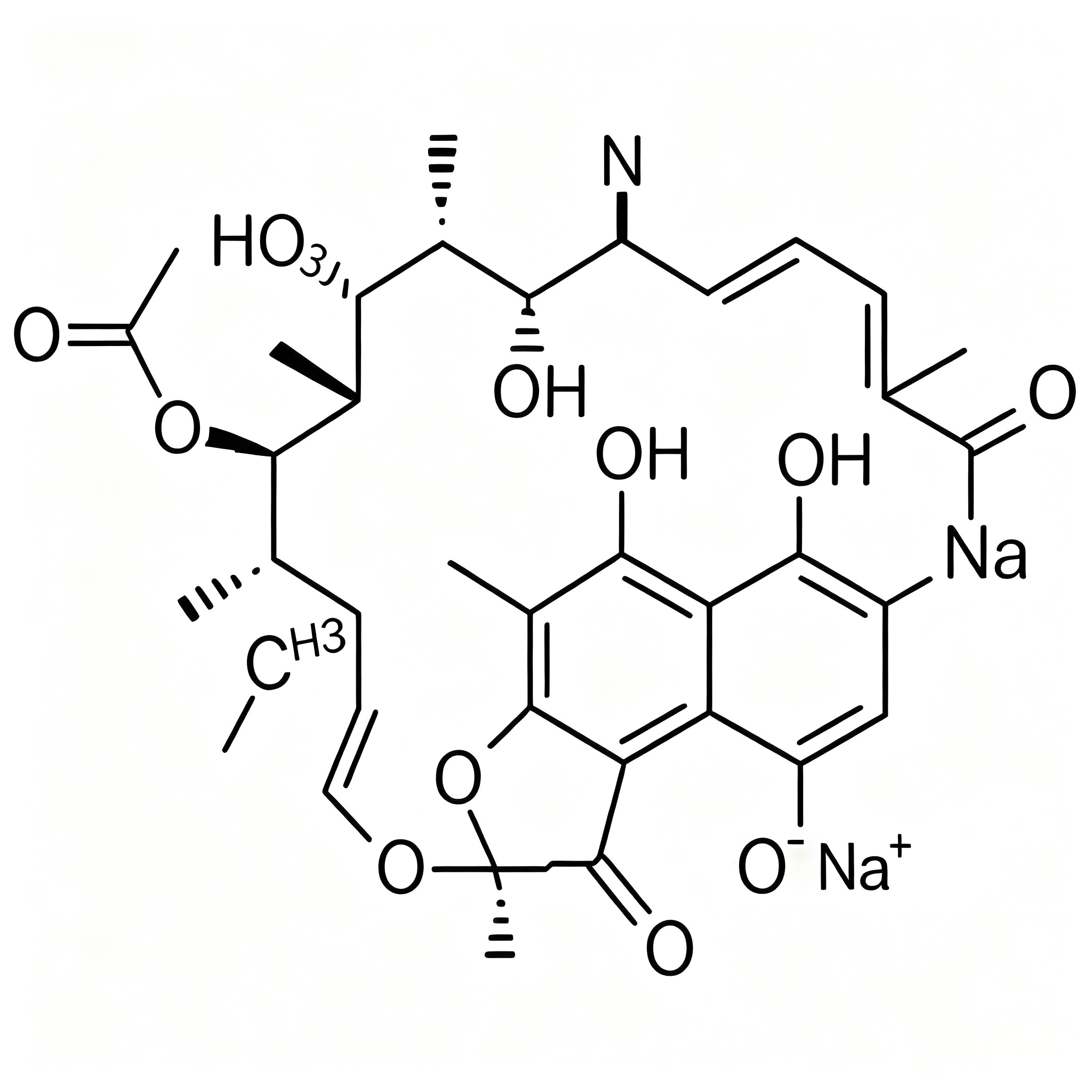 Rifamycin O
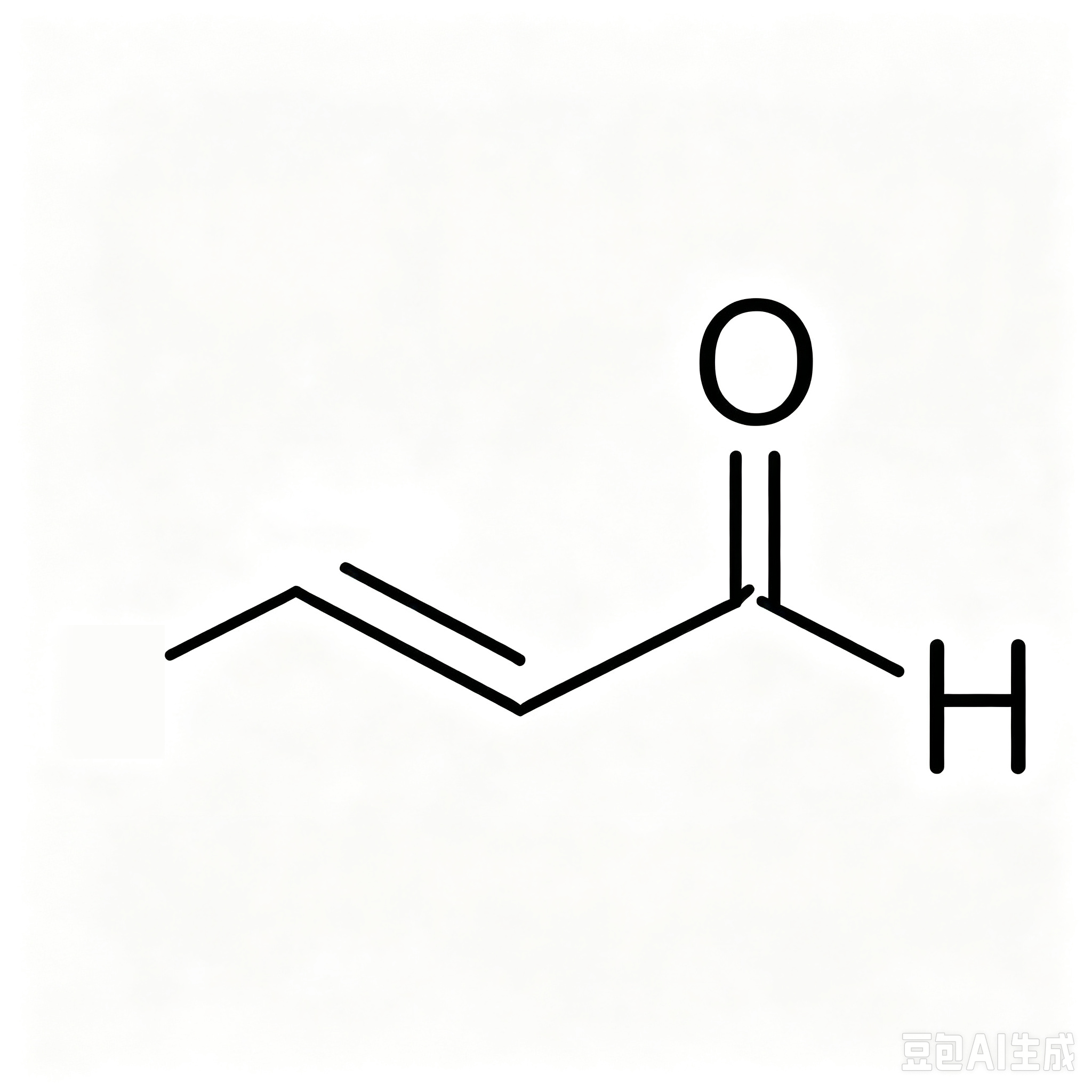 Crotonaldehyde
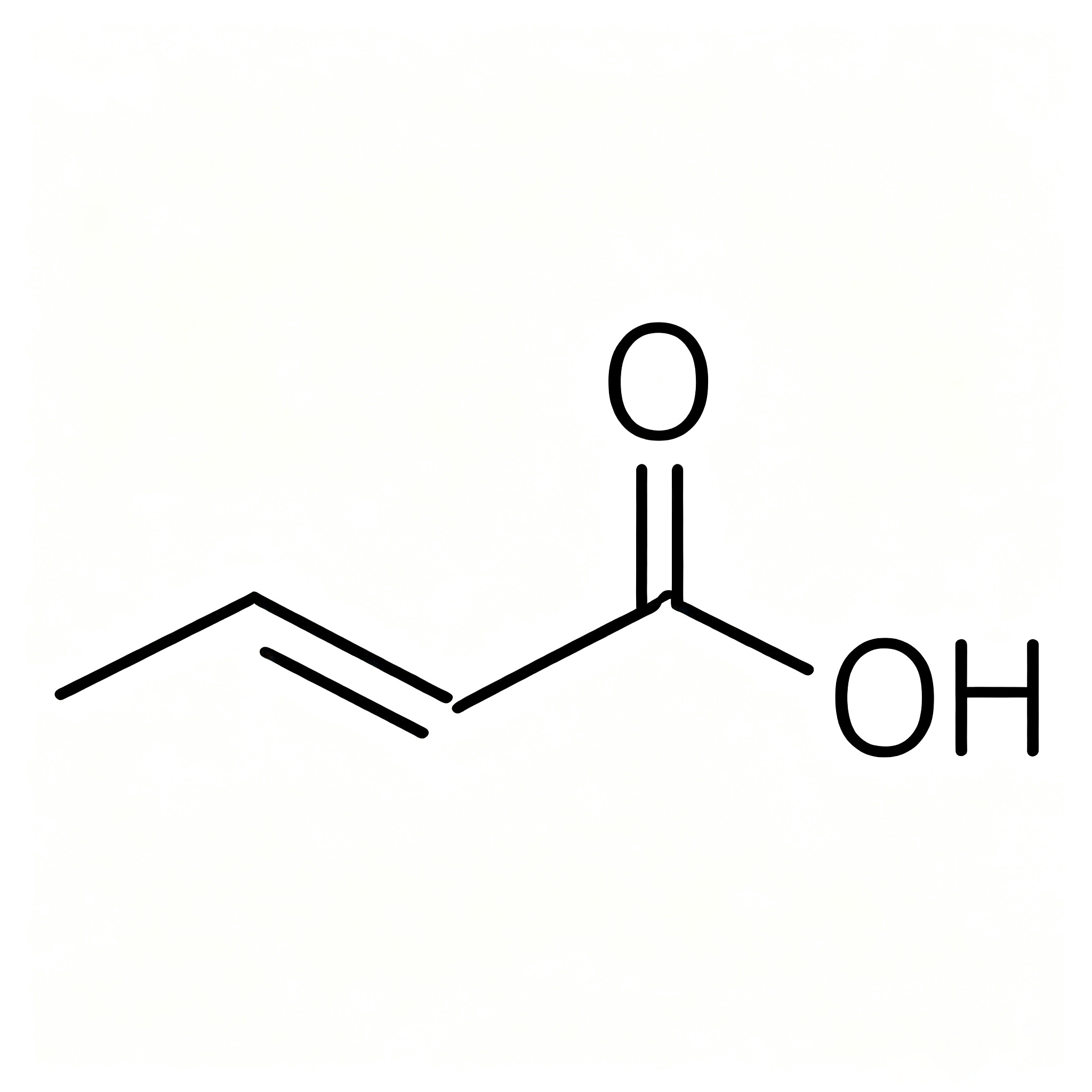 Crotonic Acid