L-Tryptophan

The fourth limiting amino acid feed additive for feed intake regulation and anti-stress

Product Overview & Features

The fourth limiting amino acid feed additive for feed intake regulation and anti-stress

L-tryptophan is one of the essential amino acids for animals and the fourth limiting amino acid in pig diets after lysine, methionine and threonine. Plays a key role in serotonin synthesis, appetite regulation and anti-stress. It is especially important in low-protein diet strategies using corn and wheat as the main raw materials. Tryptophan can promote animal feed intake, weaken stress response, improve sleep, increase antibodies in fetuses and cubs, and improve lactation in dairy animals. It is widely used in pig, poultry and aquatic feed, especially suitable for sow and piglet diets.

Contact Us Now
Chemical Formula
C11H12N2O2
Applicable Standard
GB/T 25735-2010
CAS No.
73-22-3
Product Characteristics
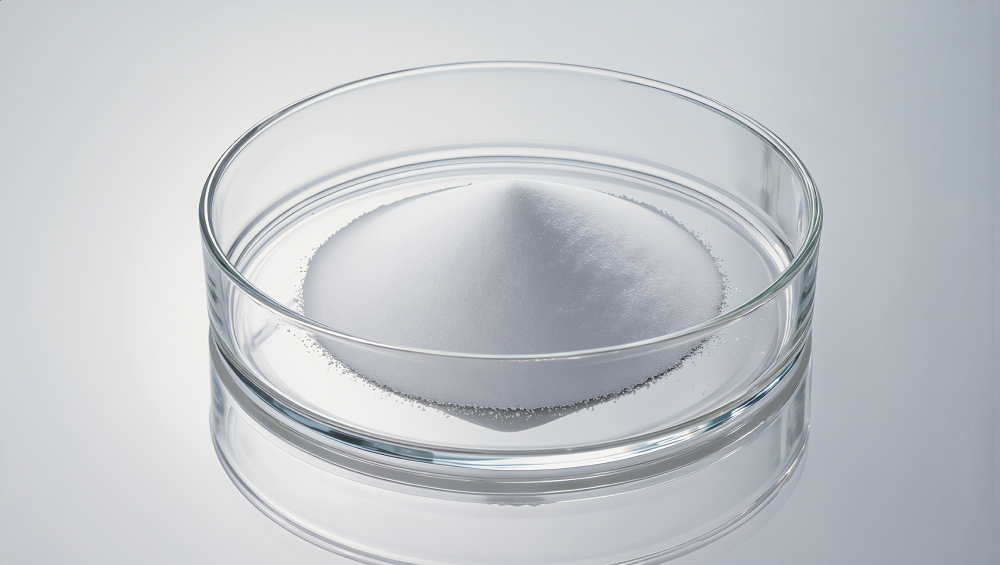
White to yellow-white crystals or crystalline powder, odorless, slightly bitter taste.
Packaging
25kg kraft paper bag
L-Tryptophan — White powder

Product Applications

Promote Food Intake

Tryptophan is the precursor of serotonin and participates in appetite regulation. It can effectively increase animal feed intake, improve feed intake and growth uniformity, and is particularly effective for weaned piglets and animals under stress.

Anti-stress

Tryptophan exerts a calming effect through the serotonin and melatonin pathways, which can weaken the animal's stress response, reduce the aggressive behavior of piglets after weaning, and improve animal welfare and breeding stability.

Promote Growth

As an essential amino acid, tryptophan works synergistically with lysine, methionine, and threonine to promote the synergistic absorption of all amino acids in the feed, improve protein utilization efficiency, reduce the amount of high-quality protein in the diet, and save feed costs.

Immunomodulation

Tryptophan is involved in the synthesis of immunoglobulin, which helps to increase the antibody level of cubs, improve intestinal health, reduce oxidative stress, increase milk production in dairy animals, and has a comprehensive support effect on sow reproductive performance.

Animal Nutrition
Animal Nutrition