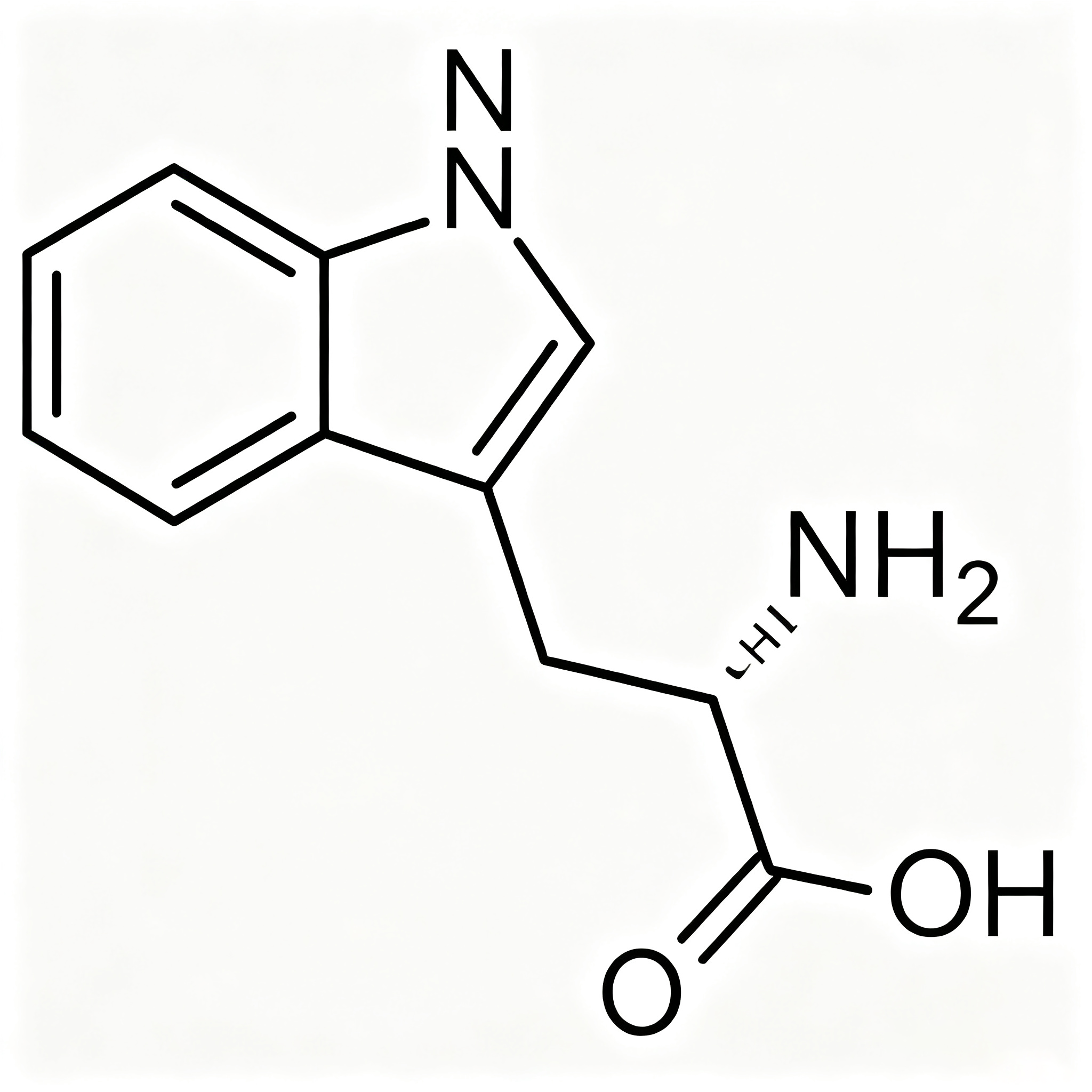
L-Isoleucine (Feed Grade)

Key feed additives for branched-chain amino acid balance and optimization of low-protein diets

Product Overview & Features

Key feed additives for branched-chain amino acid balance and optimization of low-protein diets

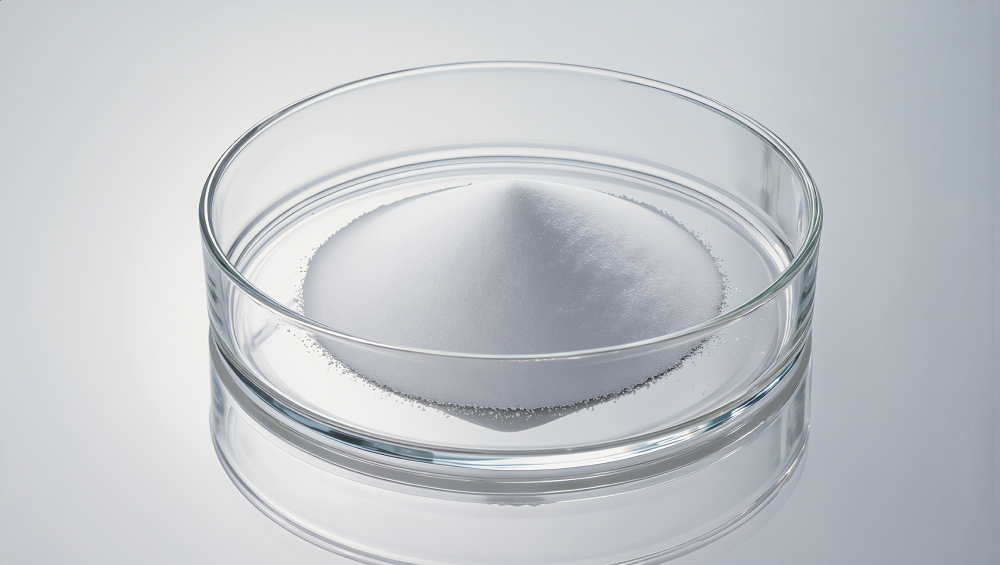
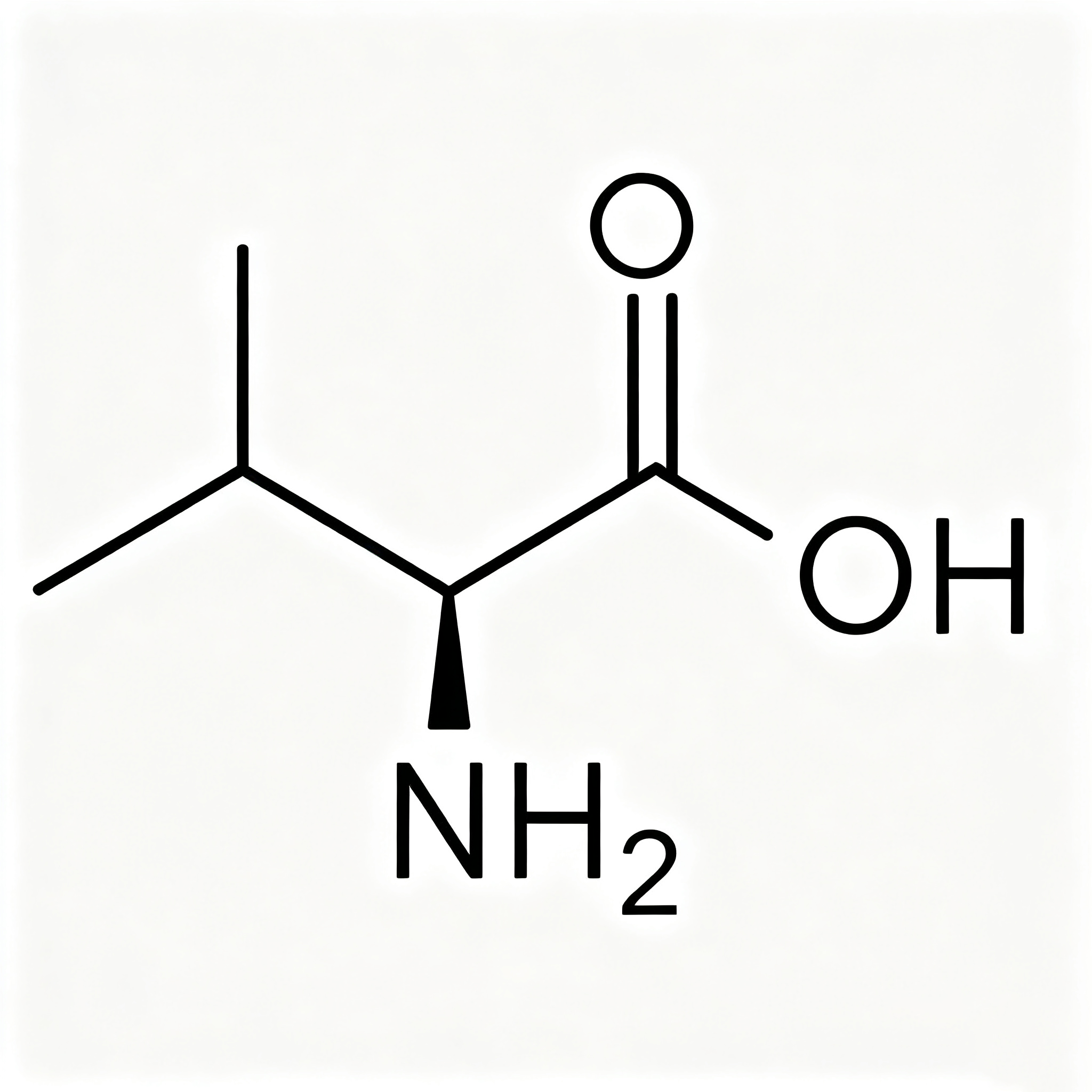
L-Isoleucine is one of the essential amino acids for animals. Together with leucine and valine, it constitutes a branched chain amino acid. It is indispensable in protein synthesis, energy metabolism and immune regulation of livestock and poultry muscles. In corn-soybean meal-based diets, isoleucine is often the fourth limiting amino acid for poultry. With the promotion of low-protein diet technology, the amount of plant protein in feeds has been reduced, and the supplementation of isoleucine has become a key link in maintaining the balance of branched-chain amino acids. Feed-grade L-isoleucine is produced through microbial fermentation. The product is white crystalline powder or granules. The L-type purity is ≥98.5%, which meets the relevant standards for feed additives. Suitable for pig, poultry, ruminant and aquatic feed, especially suitable for low protein formula and lactating sow diet.

Contact Us Now
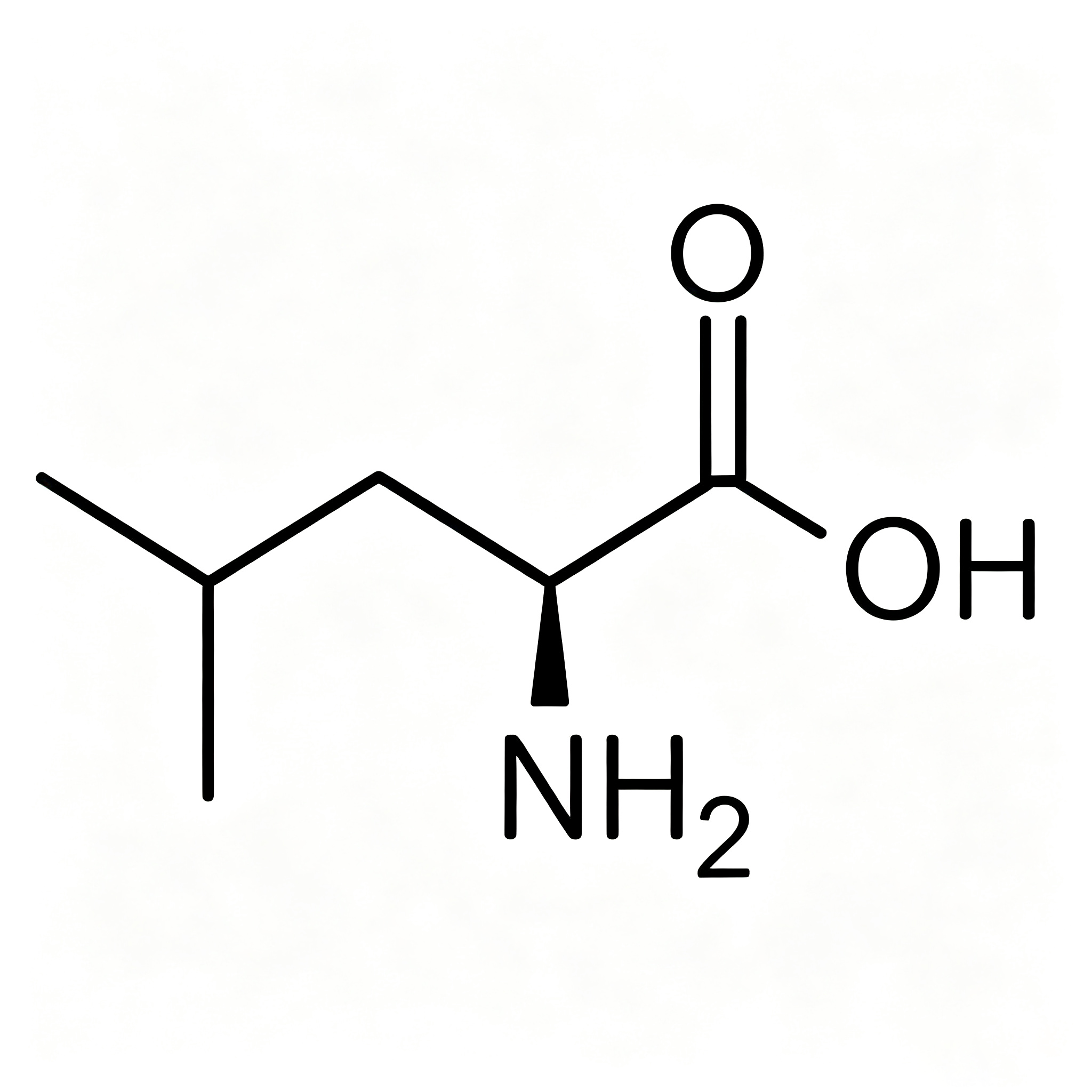
Chemical Formula
C6H13NO2
Applicable Standard
QB/T 5633.1-2021
CAS No.
73-32-5
Product Characteristics
White/off-white crystalline powder, slight characteristic odor, soluble in water
Packaging
25kg kraft paper bag
L-Isoleucine (Feed Grade) — White powder

Product Applications

Promote Growth

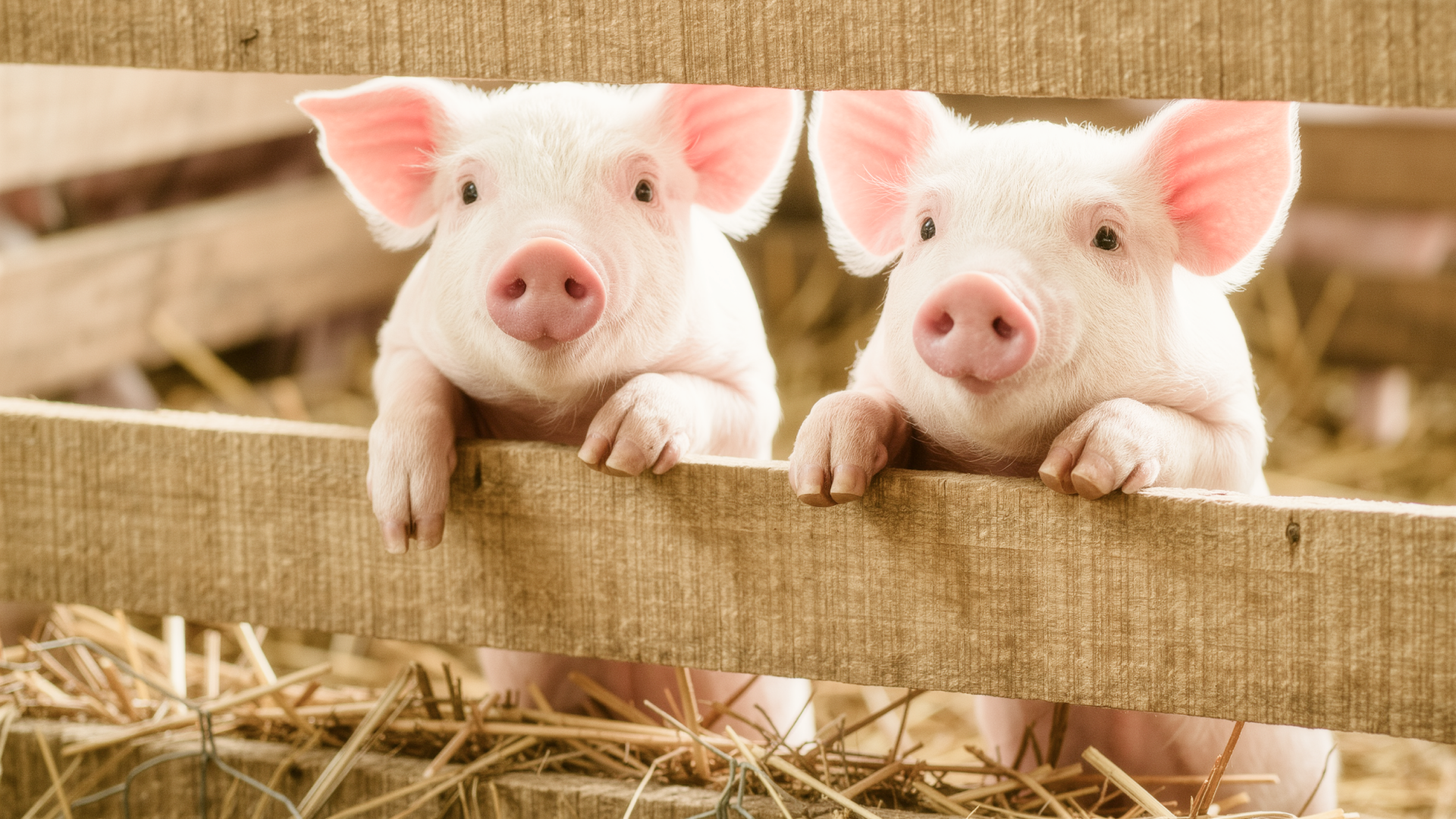
Supplementing isoleucine can increase the weight gain and feed conversion rate of broilers, and improve muscle deposition; it can enhance the immunity of piglets, improve growth rate and health level, and is an indispensable branched chain amino acid in low-protein diets.

Optimize Recipe

The use of isoleucine in low-protein diets can reduce the amount of expensive plant proteins such as soybean meal in the feed, optimize the feed formula structure, reduce feed costs, and ensure that the amino acid nutritional needs of animals are met.

Nitrogen Reduction and Emission Reduction

After reducing the dietary crude protein level, the feed can be more fully utilized and absorbed, and fecal and urine nitrogen emissions are significantly reduced, which helps reduce the pressure of the breeding industry on the environment and supports sustainable breeding.

Multi-scene Adaptation

The particle size of the granular products is uniform, highly matched to the particle size of conventional feed ingredients such as corn and soybean meal, with less dust, easy to store without clumping, and suitable for various feed scenarios such as pigs, poultry, aquatic products and ruminants.

Animal Nutrition
Animal Nutrition