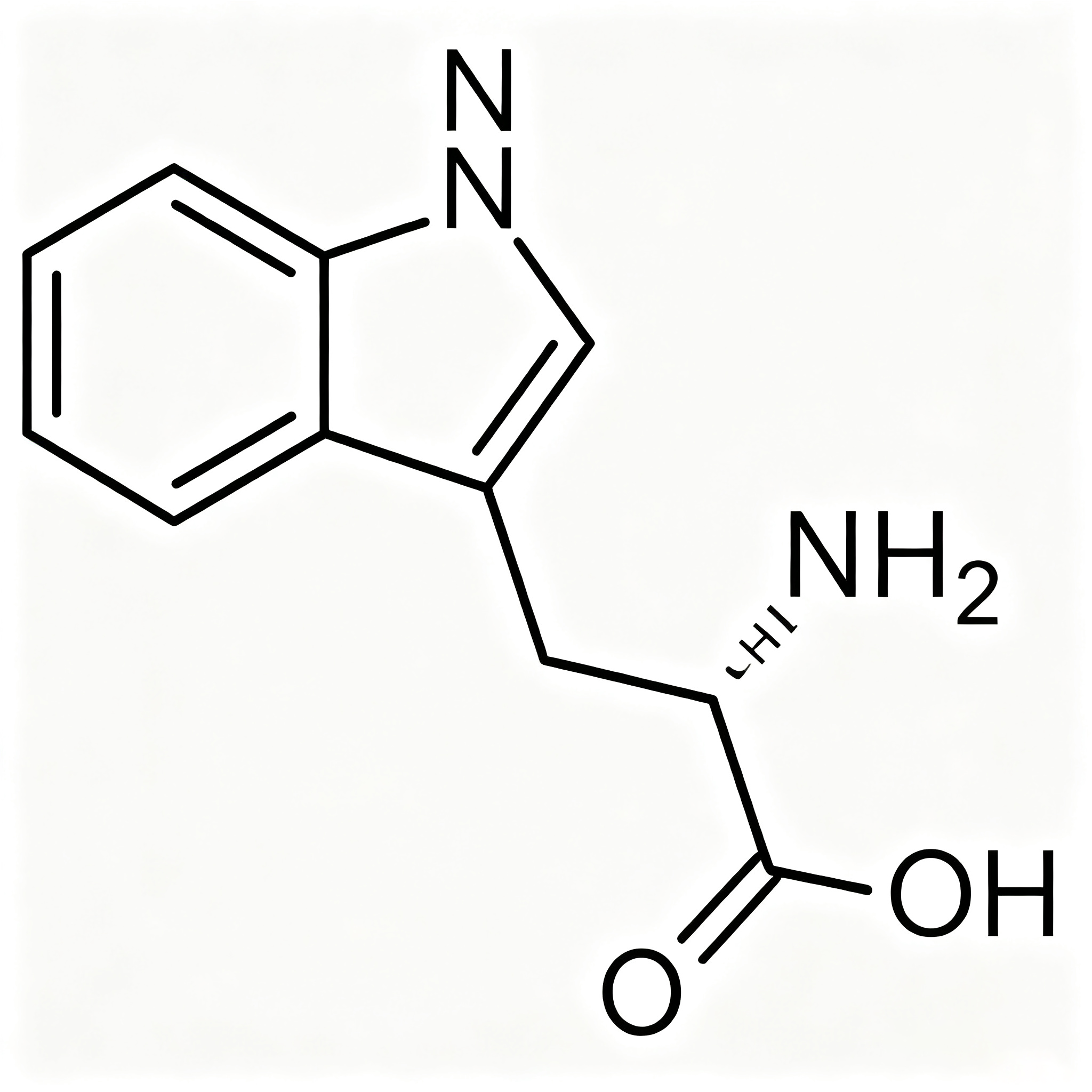
L-Valine (Feed Grade)

Feed additives for balancing branched chain amino acids and promoting lactation in lactating sows

Product Overview & Features

Feed additives for balancing branched chain amino acids and promoting lactation in lactating sows

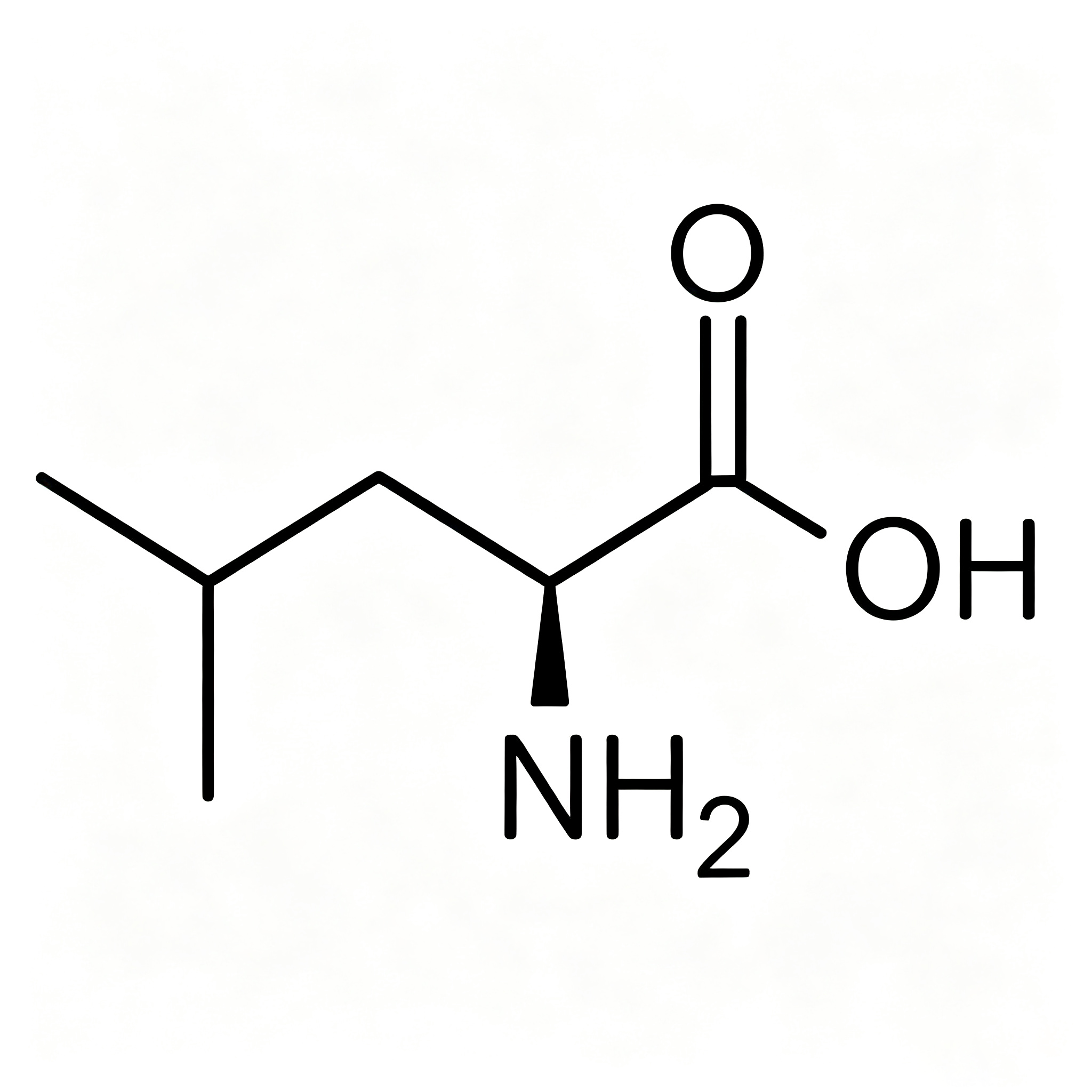
L-Valine is one of the essential amino acids for animals and is a branched-chain amino acid. The animal body cannot synthesize it by itself and must obtain it from the diet. In highly fortified pig diets, valine becomes the fifth limiting amino acid and is important for muscle protein synthesis and immune function. Feed grade L-valine is produced through microbial fermentation. The product is a white crystalline powder with an L-type purity of ≥98.5% and complies with the national standard for feed additives GB 7300.104. It is suitable for piglets, sows, poultry and aquatic feed, and is particularly important when formulating sow milk replacers and high-lysine piglet diets.

Contact Us Now
Chemical Formula
C5H11NO2
Applicable Standard
GB 7300.104-2022
CAS No.
72-18-4
Product Characteristics
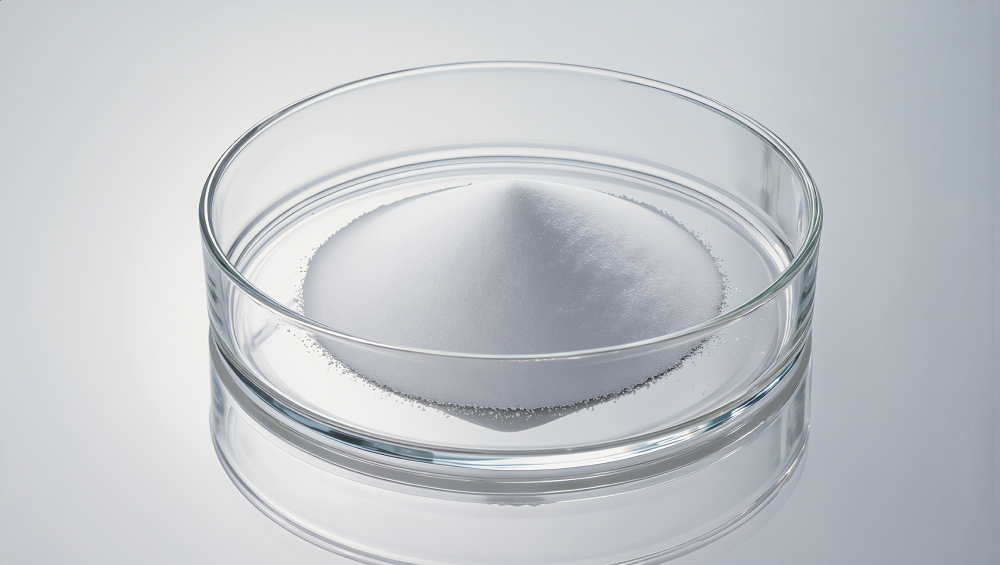
A white monoclinic crystal or crystalline powder that becomes colorless plate-like or scaly crystals after being cleaned with ethanol aqueous solution, odorless and with a special bitter taste.
Packaging
25kg kraft paper bag
L-Valine (Feed Grade) — White powder

Product Applications

Lactation Promotion

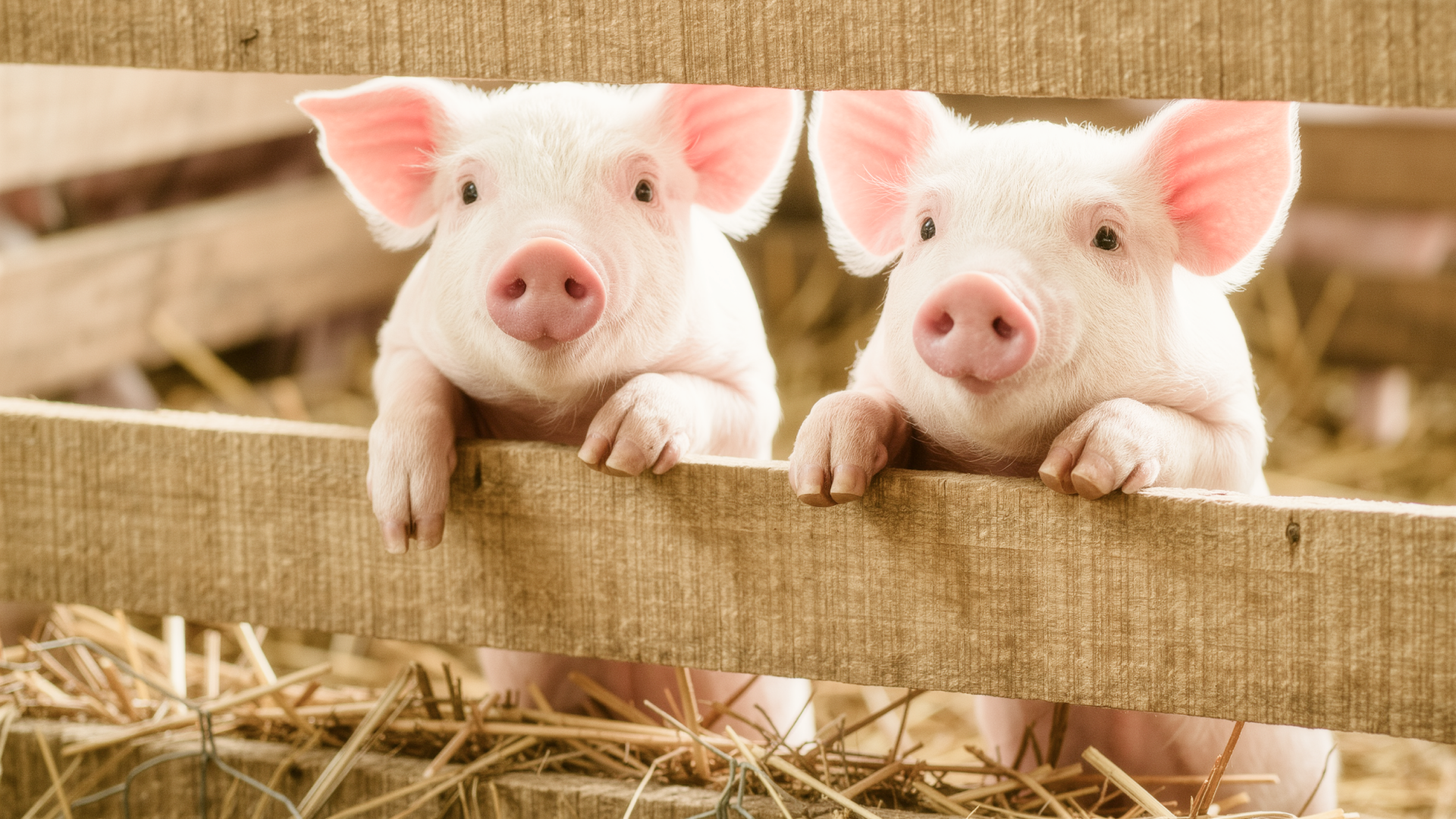
Adding valine to the diet of lactating sows can significantly increase milk production, increase the concentration of prolactin and growth hormone in the body of lactating sows, increase milk dry matter and fat content, and improve the growth and development of piglets.

Branch Chain Balance

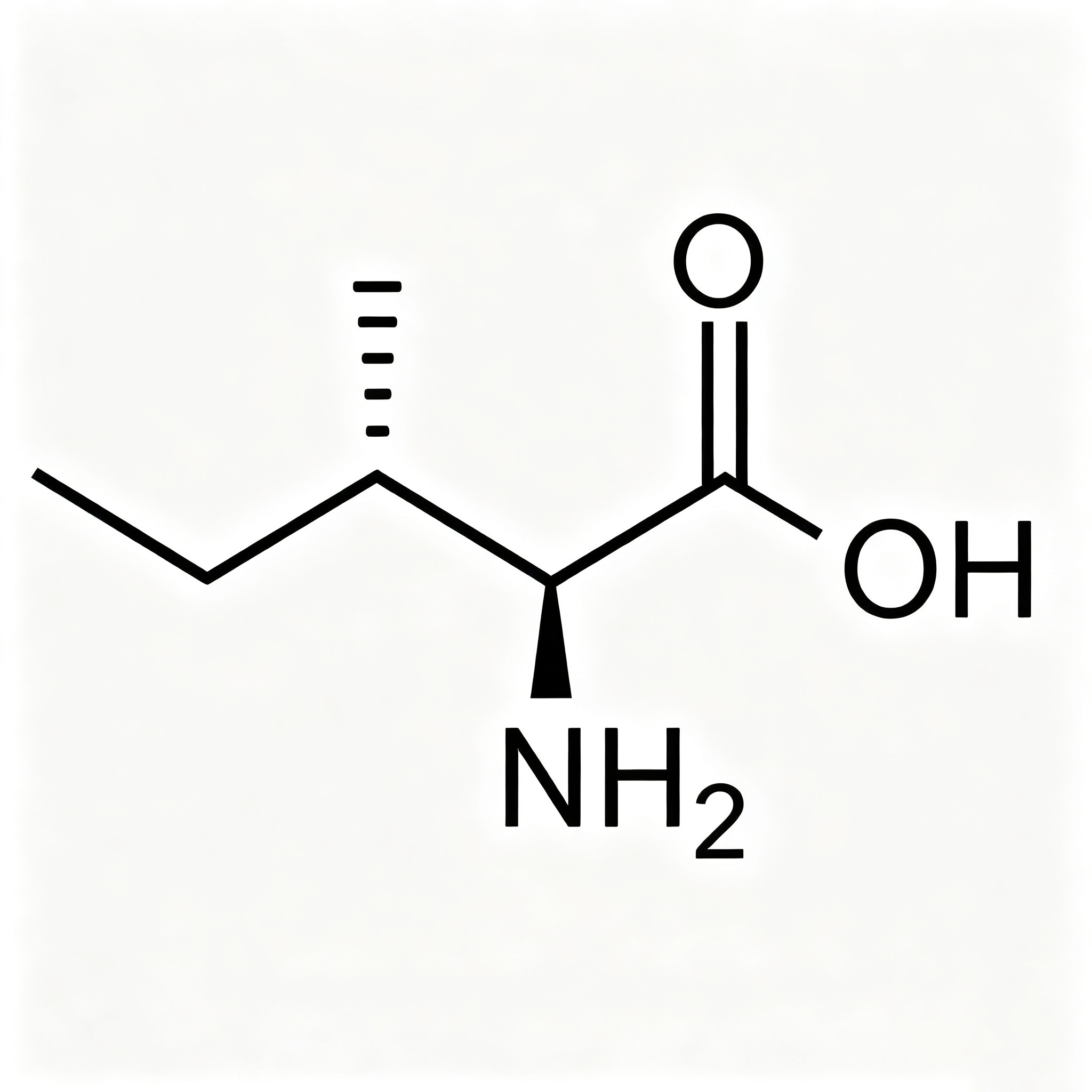
Valine cooperates with leucine and isoleucine to balance the amino acid nutritional composition of the feed, supplement the supply of branched-chain amino acids in low-protein diets, increase weight gain, and reduce the feed-to-meat ratio.

Immune Support

It meets the growth maintenance needs of animals, reduces the risk of nutritional and metabolic diseases caused by the lack of valine, improves animal immunity, and plays an important supporting role in highly fortified pig diets and poultry feeds.

Nitrogen Reduction and Environmental Protection

It complements lysine, threonine and tryptophan in low crude protein diet plans to reduce dietary crude protein levels, reduce nitrogen emissions, and support environmentally friendly farming.

Animal Nutrition
Animal Nutrition