Glacial Acetic Acid

Precise pH buffering and mild antibacterial formulation stability functional raw materials

Product Overview & Features

Precise pH buffering and mild antibacterial formulation stability functional raw materials

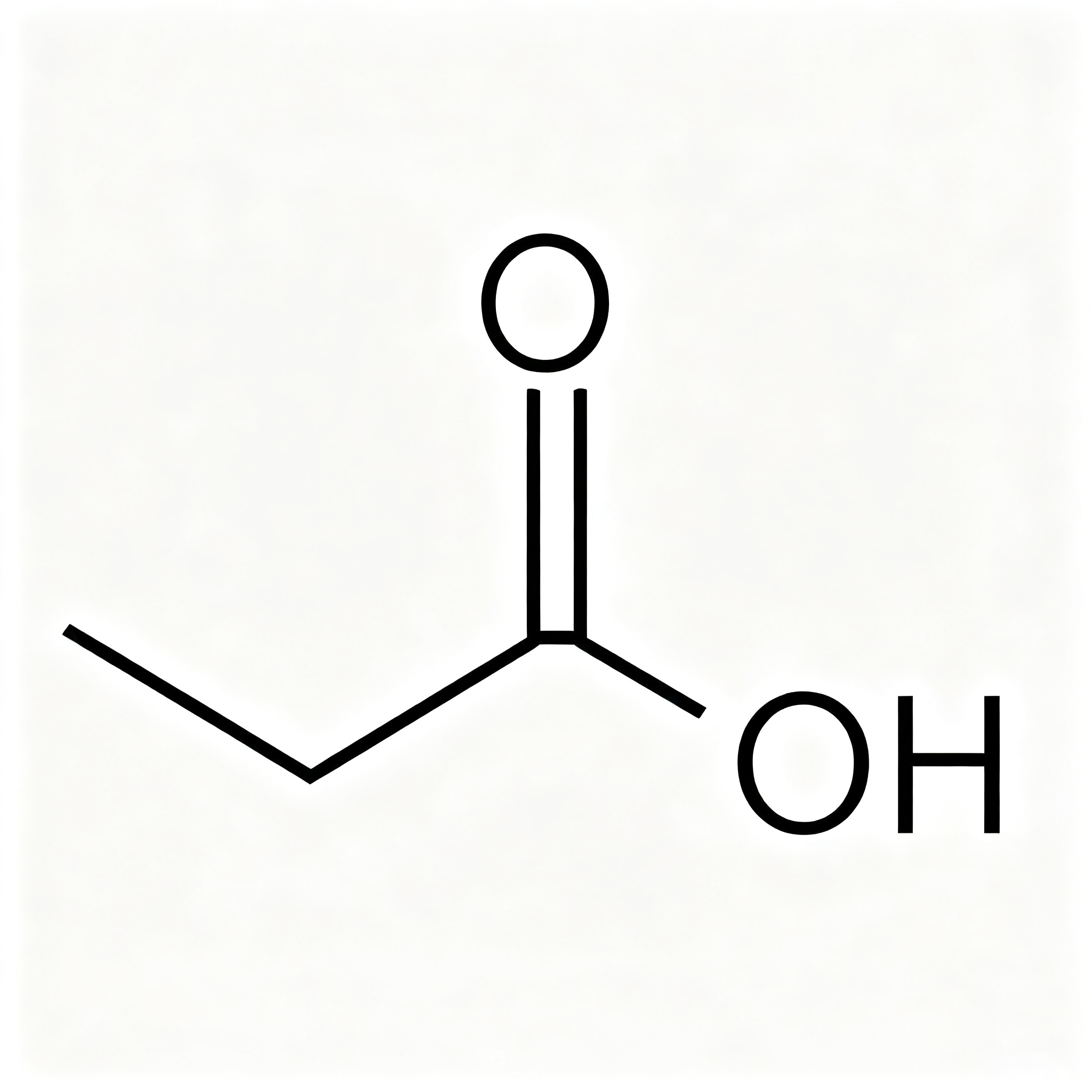
Glacial acetic acid is acetic acid. In the field of feed, glacial acetic acid is one of the organic acids for feed clearly listed in GB/T 22142-2008 "Feed Additives - General Requirements for Organic Acids". The standard is applicable to uniform mixtures made by using a single organic acid regulator that can increase the acidity of compound feeds (lower pH) or improve the quality of silage. Glacial acetic acid is a short-chain fatty acid that can be fermented by microorganisms in the small intestine from sugars and amino acids in animals. It plays an important role in the metabolism of the small intestinal mucosa and can be directly utilized by surrounding cells. Research shows that glacial acetic acid can be used as a natural acidifier to reduce the pH value of feed, create an environment that is not conducive to the growth of harmful bacteria, molds and fungi, and at the same time improve feed hygiene. It is suitable for poultry, pigs, cattle, aquatic products and pets and other animal feeds.

Contact Us Now
Chemical Formula
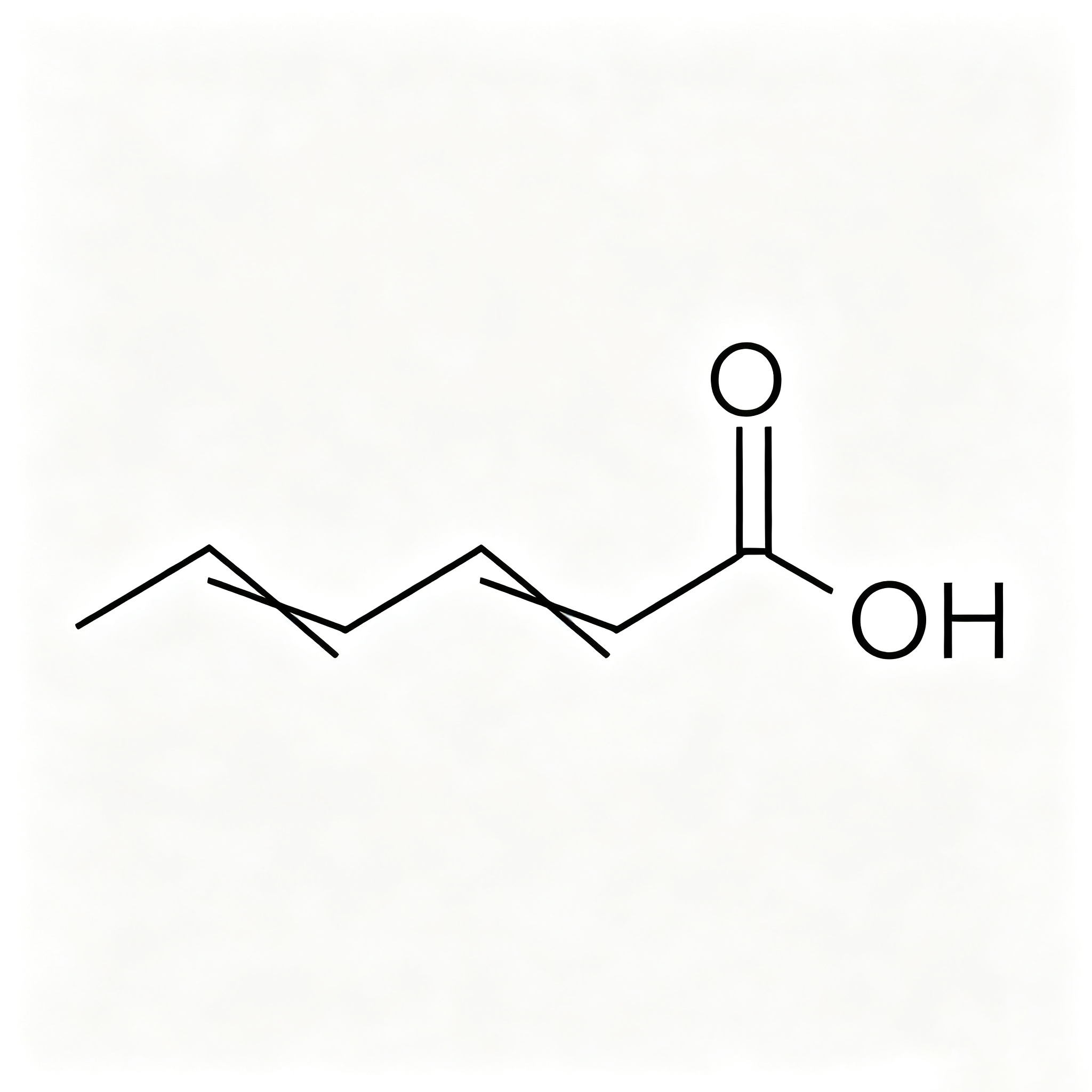
CH3COOH
Applicable Standard
GB 1886.10‑2015
CAS No.
64-19-7
Product Characteristics
Clear colorless liquid with a strong vinegar smell
Packaging
25kg drum, 200kg drum, 1 metric ton IBC tank
Glacial Acetic Acid — Colorless liquid

Product Applications

Anti-bacterial and Mold Control

Acetic acid can effectively inhibit the growth of bacteria, mold and fungi in the feed, prevent feed mildew, extend the shelf life of the feed, and maintain the nutritional quality of the feed. It is especially suitable for feed ingredients with high moisture content or that are prone to spoilage during storage.

Acidification Promotes Digestion

Reduce the pH value of the gastrointestinal tract, stimulate the activity of digestive enzymes, promote the dissolution and release of nutrients, improve feed digestion utilization and nutrient absorption efficiency, thereby improving animal growth performance.

Gut Health

As a short-chain fatty acid, acetic acid can be directly utilized by intestinal cells, helping to improve the morphology of small intestinal tissue, form an intestinal barrier, reduce intestinal inflammatory response, promote the proliferation of beneficial bacteria, and inhibit the colonization of harmful bacteria.

Palatability and Synergy

Acetic acid gives the feed a sour taste, which can enhance the palatability of the feed, improve feed intake and feed conversion efficiency; when used to acidify drinking water, it can also prevent the growth of harmful bacteria, ensure the safety of drinking water, stimulate animals to drink water, and promote overall health.


Animal Nutrition
Animal Nutrition